.png)
Overview
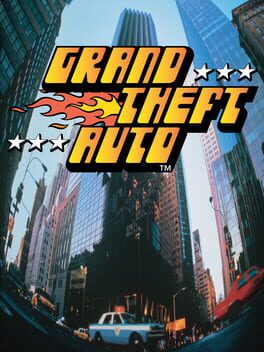
When Grand Theft Auto first burst onto the scene in 1997, its radio stations were already a cultural touchstone, turning the streets of Liberty City into a living mixtape of licensed tracks that defined an era. Over the past two decades, Rockstar has refined that formula, blending licensed hits with original compositions to create immersive soundscapes that feel both cinematic and intimately personal. In the lead‑up to GTA 6, the studio has announced a bold evolution of this tradition: a 34‑track, genre‑defying album of entirely new, original songs, each crafted specifically for the game’s sprawling world. This move reflects a broader industry shift where publishers are leveraging exclusive music content not just as background ambience but as a revenue‑generating, cross‑media asset that can be streamed, licensed, and marketed independently of the game itself.
The timing of the album’s rollout is no accident. The console market is currently in a transitional phase, with the PlayStation 5 and Xbox Series X|S entering their third year of life and developers scrambling to differentiate their flagship titles beyond graphics and gameplay mechanics. Music, once a peripheral concern, now sits at the heart of player retention strategies, as evidenced by the meteoric rise of in‑game radio stations on platforms like Fortnite and Apex Legends. Rockstar’s decision to release the first six tracks across streaming services today positions GTA 6 as a cultural event that will echo through playlists, social media trends, and even award circuits, amplifying the game’s hype well before its eventual launch.
What Happened?
In a coordinated press release and social media blitz, Rockstar unveiled the first six songs from the upcoming GTA 6 soundtrack, featuring a disparate roster that includes the ethereal Swedish rapper Yung Lean, the genre‑blending superstar Travis Scott, country sensation Morgan Wallen, and rock legend Keith Richards. Each track has been uploaded to major streaming platforms—Spotify, Apple Music, and Amazon Music—where they are being rolled out incrementally throughout November. The selection underscores Rockstar’s intent to mirror the series’ long‑standing commitment to diversity, offering listeners a sonic palette that ranges from lo‑fi hip‑hop to gritty Southern rock, all while maintaining a cohesive narrative tone that aligns with the game’s fictional setting.
The album, billed as a “collection of 34 brand‑new, original tracks from a genre‑defying roster,” will be available for streaming in its entirety once the full list is released later this month. Rockstar has hinted that the music will be woven directly into the game’s in‑world radio stations, with each station curated to reflect distinct districts and player activities. Moreover, the studio has promised that the tracks will be exclusive to GTA 6, meaning they will not appear on any artist’s standard discography outside the game’s ecosystem—a strategy that could set a new precedent for exclusive music licensing in the interactive entertainment sector.
Analysis
The decision to produce a wholly original soundtrack marks a strategic pivot away from the licensing‑heavy model that defined earlier GTA installments. By owning the master recordings, Rockstar not only sidesteps the costly and often unpredictable negotiations with major record labels but also opens a recurring revenue stream through streaming royalties, sync licensing, and potential physical releases. This approach mirrors the tactics employed by Ubisoft with its “Assassin’s Creed: Music” series, where original compositions have become ancillary products that extend the franchise’s lifecycle. In a market where development budgets for AAA titles routinely exceed $200 million, any ancillary income can materially affect a project’s bottom line, especially as the industry grapples with post‑pandemic cost inflation.
From a competitive standpoint, Rockstar’s move puts pressure on rivals like Take‑Two’s own 2K and Activision Blizzard, who have historically relied on licensed tracks to anchor their open‑world experiences. Should GTA 6’s soundtrack achieve viral traction—think Travis Scott’s “Sicko Mode” becoming a cultural meme—the ripple effect could force other publishers to invest in bespoke music programs, potentially reshaping the economics of music licensing in games. Technically, integrating a large catalogue of original tracks into a dynamic radio system also presents challenges: ensuring seamless transitions, adaptive mixing based on player actions, and maintaining audio fidelity across console generations. Rockstar’s history of technical excellence suggests they will likely leverage their in‑house audio engine to deliver a seamless, immersive experience that could raise the bar for future open‑world titles.
XPLog Opinion
At XPLog UK we view Rockstar’s GTA 6 album as a watershed moment that blurs the line between gaming and mainstream music culture; it signals that the next generation of blockbuster titles will be judged not only on graphical fidelity or narrative depth but also on the cultural resonance of their soundtracks, turning songs into a second‑hand brand that can drive player engagement long after the console is turned off.
Final Thoughts
In sum, the GTA 6 album is more than a promotional gimmick—it is a calculated, multi‑layered strategy that leverages music as a core pillar of the franchise’s identity, revenue model, and community building. As the remaining tracks roll out over the coming weeks and the full album drops alongside the game’s launch, industry watchers should keep an eye on streaming metrics, royalty reports, and fan‑generated content, all of which will reveal how successful Rockstar’s gamble truly is and whether it will reshape the soundtrack playbook for the next wave of AAA releases.