.png)
Overview
The surprise announcement of a Tomodachi Life bundle for the Switch Lite in Europe arrives at a moment when the industry is watching Nintendo’s transition from the original Switch to the eagerly anticipated Switch 2. While the successor hardware promises upgraded performance, higher resolution, and refined ergonomics, Nintendo has historically demonstrated a reluctance to abandon its first‑generation platform until the market is fully saturated. This strategy mirrors the company’s handling of the Wii U, where a late‑stage bundle featuring Mario Kart 8 Deluxe helped extend the console’s relevance even as the Switch was already on the horizon. In the current climate, the Tomodachi Life bundle serves as both a nostalgic nod to a cult classic and a pragmatic move to keep the Switch ecosystem vibrant during the early rollout of the next‑gen hardware.
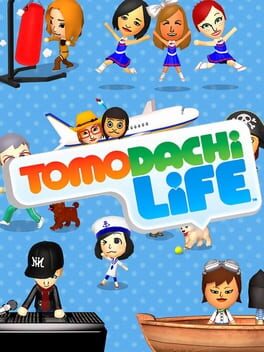
Tomodachi Life, originally released in 2013, carved out a unique niche by allowing players to simulate the chaotic lives of Mii characters, blending quirky humor with social simulation mechanics. Though the title never achieved blockbuster sales, it cultivated a passionate community that continues to produce fan content and modded versions. The decision to resurrect it as a physical bundle—especially for the more affordable Switch Lite—signals Nintendo’s recognition of long‑tail titles as a means to sustain hardware sales. Moreover, the European market, with its fragmented retail landscape and strong demand for bundled experiences, offers a fertile testing ground for such cross‑generational strategies.
What Happened?
In a brief but telling press release, Nintendo confirmed that a special edition Switch Lite, pre‑installed with Tomodachi Life, will be available across major European retailers later this quarter. The hardware itself remains unchanged from the standard Lite model, but the packaging features artwork reminiscent of the original game’s whimsical aesthetic, and the bundle includes a limited‑edition Mii‑styled carrying case. Nintendo’s European division quoted senior product manager Aya Tanaka, who emphasized the bundle’s role in “reinvigorating the Switch Lite’s appeal to both nostalgic fans and newcomers seeking a light, portable entry point into Nintendo’s broader library.” The announcement also hinted at a modest price premium, positioning the bundle as a value proposition compared to purchasing the game separately.
Beyond the tangible product, the rollout appears to be part of a coordinated marketing push that includes updated social media assets, a short promotional video showcasing in‑game moments, and a series of influencer streams aimed at demonstrating the game’s appeal on the go. Notably, the bundle will be sold alongside a limited‑time digital discount for Tomodachi Life, encouraging players who already own a Switch Lite to upgrade without feeling penalized. This dual‑track approach—physical bundle for collectors and digital discount for existing owners—reflects Nintendo’s nuanced understanding of its diverse consumer base, which ranges from hardcore collectors to casual mobile gamers.
Analysis
The Tomodachi Life Switch Lite bundle represents a calculated maneuver to maximize the original Switch’s remaining shelf life while subtly cushioning the market impact of the forthcoming Switch 2. By leveraging a title with a devoted, albeit niche, fanbase, Nintendo can generate incremental hardware revenue without cannibalizing sales of its flagship upcoming console. Historically, Nintendo has employed similar tactics; the 2017 “Mario Kart 8 Deluxe” bundle for the Switch helped sustain sales momentum during the early months of the console’s lifecycle. In the current competitive landscape, where Sony’s PlayStation 5 and Microsoft’s Xbox Series X|S dominate the high‑end segment, Nintendo’s focus on affordability and unique software experiences remains its differentiator. The bundle also serves as a litmus test for consumer appetite for retro‑style titles on modern hardware, potentially informing future decisions about reviving other legacy franchises such as “Miitomo” or “Wii U’s Art Academy.”
From a supply‑chain perspective, the decision to reuse the existing Switch Lite hardware mitigates the risk of production bottlenecks that have plagued the industry since the pandemic. It allows Nintendo to allocate its manufacturing capacity toward the newer Switch 2 while still offering a fresh SKU that can be produced on existing lines. This efficiency is crucial as competitors ramp up their own mid‑cycle refreshes, and any misstep could erode Nintendo’s market share in the handheld segment—a segment that still accounts for a significant portion of global console sales, especially in regions like Europe where portable gaming retains strong cultural relevance.
XPLog Opinion
At XPLog UK, we view the Tomodachi Life Switch Lite bundle as a shrewd, low‑risk play that underscores Nintendo’s mastery of ecosystem stewardship. Rather than relying solely on blockbuster releases, Nintendo is banking on the cumulative power of nostalgia, price accessibility, and strategic bundling to keep the Switch platform thriving. This move not only rewards long‑time fans but also signals to the broader industry that Nintendo will continue to extract value from its existing hardware portfolio well into the next‑gen era—a lesson that other publishers would do well to emulate as they navigate the increasingly fragmented console market.
Final Thoughts
In summary, the European Tomodachi Life Switch Lite bundle is more than a simple product tie‑in; it is a microcosm of Nintendo’s broader strategy to sustain hardware relevance, monetize legacy IP, and smooth the transition to the Switch 2. As the bundle hits shelves in the coming weeks, observers should watch sales figures, community reception, and any subsequent announcements of similar bundles, which could herald a new wave of retro‑focused releases designed to keep the Switch ecosystem robust well beyond the launch of its successor.