.png)
Overview
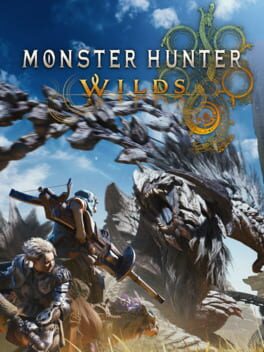
Since its launch, Monster Hunter Wilds has been both praised for its ambitious live‑service design and castigated for a micro‑transaction model that many long‑time fans felt eroded the series' core ethos of skill‑based progression. The title’s free‑to‑play framework, built on a rotating roster of quests and seasonal events, promised a fresh, accessible entry point for newcomers while retaining the deep hunting loops that defined the franchise. Yet the decision to lock fundamental cosmetic customisation—specifically the ability to alter a hunter’s armor palette or a Palico’s appearance—behind a recurring paywall sparked a backlash that echoed the controversy surrounding other live‑service experiments in the industry, from Destiny 2’s seasonal passes to Fortnite’s ever‑shifting skin economy.
In the broader market, Capcom’s move arrives at a moment when major publishers are reassessing the balance between monetisation and player goodwill. Sony’s recent push for “fair‑play” policies on PlayStation, Microsoft’s emphasis on “player‑first” experiences in Xbox Game Pass, and Nintendo’s cautious approach to in‑game purchases have collectively raised the bar for what constitutes acceptable revenue streams in a post‑pandemic gaming landscape. Against this backdrop, the decision to retire the most contentious micro‑transaction in Wilds signals not only a tactical retreat but also a strategic realignment aimed at preserving brand integrity and re‑engaging a community that feels increasingly alienated by pay‑to‑customise mechanics.
What Happened?
Capcom announced that, effective within the next fortnight, the premium “Hunter‑Edit” fee—previously a recurring $4.99 charge required each time a player wished to modify their avatar’s visual components—will be removed entirely. The company’s development lead, Haruka Saito, explained in a live‑streamed Q&A that the feature’s removal was driven by “player sentiment data” collected over the past twelve months, which indicated a sharp decline in engagement among veteran hunters who felt the system penalised personal expression. As a result, the game will now allow unlimited cosmetic edits for both hunters and their feline companions, Palicos, without any further monetary barrier.
In tandem with the fee removal, Capcom is rolling out a suite of free cosmetic bundles that will be distributed through upcoming seasonal events. These bundles include legacy armor skins from previous Monster Hunter entries, a new line of Palico accessories inspired by fan‑submitted designs, and a set of “Wilds‑only” emotes that celebrate the title’s unique ecosystem. The studio also promised that future content drops will continue to be monetised via optional, non‑essential items—such as weapon skins and convenience boosts—rather than gating core visual customisation behind a paywall, a shift that aligns with the industry’s gradual move toward “cosmetics‑only” monetisation models.
Analysis
The removal of the Hunter‑Edit charge can be read as a corrective measure that seeks to restore the equilibrium between revenue generation and player retention. Historically, live‑service titles that have over‑monetised core gameplay loops have suffered churn spikes; examples include the 2022 decline of Apex Legends after the introduction of mandatory battle‑pass skins and the 2021 subscriber drop for Diablo IV’s early‑access micro‑transactions. By eliminating a barrier to personalisation—a feature that, while cosmetic, is deeply tied to player identity—Capcom is likely to see a resurgence in daily active users, especially among the series’ dedicated fanbase that values aesthetic freedom as a badge of achievement. Moreover, the decision may bolster the game’s position within the competitive console ecosystem, where Sony’s PlayStation 5 and Microsoft’s Xbox Series X|S are both courting players who demand transparent, non‑exploitative monetisation.
From a market perspective, this pivot also serves as a pre‑emptive safeguard against regulatory scrutiny. As governments worldwide tighten legislation around “loot boxes” and “pay‑to‑win” mechanics, publishers are incentivised to adopt clearer, more consumer‑friendly models. Capcom’s proactive stance could therefore mitigate potential compliance costs and preserve goodwill ahead of forthcoming EU digital market reforms. Additionally, the free cosmetic bundles act as a strategic “soft launch” for a new content pipeline that can be monetised through optional, high‑margin items without alienating the core community—a balance that, if executed well, may set a benchmark for future live‑service releases across the industry.
XPLog Opinion
At XPLog UK we view Capcom’s reversal not merely as a concession to fan pressure but as a calculated recalibration of its live‑service philosophy; the company has recognised that the Monster Hunter brand’s longevity hinges on the trust of hunters who have invested years mastering its ecosystems. By restoring unrestricted customisation, Capcom re‑asserts the franchise’s commitment to player agency, a move that should reverberate positively across its entire portfolio—from the upcoming Monster Hunter Rise 2 to future cross‑platform ventures—reinforcing the notion that sustainable monetisation is built on optional, aesthetically‑driven purchases rather than gating identity‑defining features.
Final Thoughts
In the weeks ahead, the community will be watching closely to see whether the removal of the Hunter‑Edit fee translates into measurable spikes in engagement, retention, and revenue from the newly introduced cosmetic bundles. If Capcom can leverage this goodwill to deliver a steady stream of high‑quality, optional content, Monster Hunter Wilds may yet become a case study in how live‑service games can evolve without sacrificing the core values that made them beloved. Keep an eye on the upcoming “Wilds Season 5” rollout in early October, when the first wave of free bundles will drop and the long‑term impact of this policy shift will become clearer.