.png)
Overview
The indie scene has long been a fertile ground for experimental aesthetics, and the resurgence of low‑poly visuals in horror titles is a testament to developers seeking both nostalgic charm and technical efficiency. In an era where photorealistic engines dominate AAA releases, a wave of stylised games—ranging from "Octopath Traveler" to "The Long Dark"—has demonstrated that abstraction can amplify tension rather than diminish it. Against this backdrop, the upcoming title "Tumblebee" arrives as a curious hybrid: a whimsical bee protagonist navigating a nightmarish world populated by oversized, menacing spiders, all rendered in deliberately blocky geometry.
Beyond its visual novelty, the project reflects a personal narrative that mirrors a broader cultural conversation about confronting phobias through interactive media. The creator’s documented journey—from sketching arachnids to vocalising faux admiration in the wild—embodies a therapeutic approach increasingly explored by indie developers, who embed personal anxieties into gameplay loops. This alignment of artistic expression with market appetite for emotionally resonant horror positions "Tumblebee" at a crossroads where indie authenticity meets commercial viability.
What Happened?
During a recent livestream, the developer unveiled a comprehensive roadmap for "Tumblebee," confirming a multi‑platform launch slated for early 2027 on PC, Nintendo Switch, and the upcoming generation of consoles. The announcement highlighted a core mechanic wherein the bee must constantly tumble to maintain momentum, evading dynamically generated spider patrols that adapt their patterns based on player behaviour. Early demos showcased a procedural level system, promising endless replayability akin to roguelike frameworks that have become a staple of the indie horror niche.
Accompanying the gameplay reveal, the creator disclosed a partnership with a boutique publishing house renowned for championing experimental horror titles. This collaboration will provide marketing muscle and distribution channels, while preserving full creative control—a model that has proven successful for studios like Supermassive Games and Night School Studio. The developer also referenced community feedback loops, indicating that player‑submitted spider designs will be incorporated into future updates, fostering a participatory ecosystem that blurs the line between creator and audience.
Analysis
From a market perspective, "Tumblebee" taps into several converging trends: the sustained popularity of low‑poly art, the appetite for horror experiences that blend humour with dread, and the growing demand for games that address mental health themes. By leveraging procedural generation, the title can sustain long‑term engagement without the costly asset pipelines typical of high‑fidelity projects, allowing the studio to allocate resources toward narrative depth and adaptive AI. This efficiency could set a benchmark for future indie horror endeavors, prompting larger publishers to reconsider the cost‑benefit calculus of stylised versus photorealistic production.
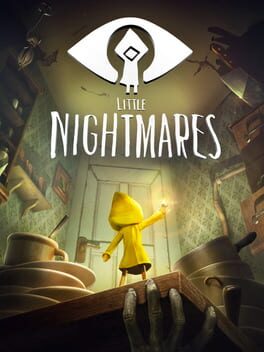
Competitively, the title positions itself against both indie stalwarts like "Little Nightmares" and mainstream horror franchises such as "Resident Evil" that are increasingly experimenting with stylisation. The unique premise—a bee evading spiders—offers a fresh thematic hook that differentiates it in a crowded marketplace. However, the reliance on procedural difficulty may present a technical hurdle; ensuring that emergent spider behaviours remain challenging yet fair will be crucial to avoid player fatigue, a lesson learned from earlier procedurally driven horror experiments that suffered from unpredictable difficulty spikes.
XPLog Opinion
At XPLog UK we view "Tumblebee" as a bold statement that indie courage can still reshape genre expectations. Its marriage of personal phobia exploration with a universally appealing low‑poly aesthetic demonstrates that emotional authenticity can be a marketable commodity. Should the title deliver on its promised replayability and maintain a balanced difficulty curve, it could inspire a new sub‑genre of therapeutic horror—games that not only scare but also help players confront and reframe real‑world anxieties.
Final Thoughts
In sum, "Tumblebee" exemplifies the evolving dialogue between artistic vulnerability and commercial strategy within the indie horror sphere. With its early‑2027 release window, the game will be a litmus test for how effectively low‑poly charm, procedural design, and community‑driven content can coalesce into a sustainable franchise. Keep an eye on the developer’s upcoming beta in Q2 2026, as its reception will likely dictate the momentum of this intriguing blend of buzzing innocence and eight‑legged terror.