.png)
Overview
Turn‑based tactical puzzlers have quietly resurged over the past half‑decade, evolving from the grid‑locked rigidity of classic board‑game adaptations into kinetic, narrative‑driven experiences that reward both foresight and improvisation. The 2018 success of Subset Games’ Into the Breach demonstrated that a tight 10‑by‑10 battlefield, coupled with a time‑loop mechanic, could captivate both hardcore strategists and casual players seeking bite‑sized sessions. In the years since, indie developers have mined the same design space, layering genre hybrids—roguelike progression, card‑based decks, and even rhythm‑driven combat—onto the familiar turn‑based core. Within this fertile ground, a new entrant arrives that not only inherits the tactical DNA of its predecessors but also injects an unexpected cultural touchstone: the beloved domestic dog, now armored in gleaming mecha exoskeletons.
Beyond pure gameplay, the announcement arrives at a moment when pet‑centric entertainment is enjoying a renaissance across media platforms. From the meteoric rise of “dog‑go‑live” streaming channels to the mainstream success of titles like Stray and Ghost of Tsushima’s companion dog system, developers are recognizing the emotional resonance that can be harvested from canine companions. Simultaneously, the competitive arena of robot‑combat television—most notably the revival of Robot Wars and the global fascination with autonomous combat drones—has cultivated a viewer appetite for mechanical mayhem. By marrying these two currents, Dog in the Machine positions itself at a cross‑section where nostalgia for tactical precision meets the kinetic thrill of mechanised animal combat, promising a fresh hook for both strategy veterans and pet‑loving audiences alike.
What Happened?
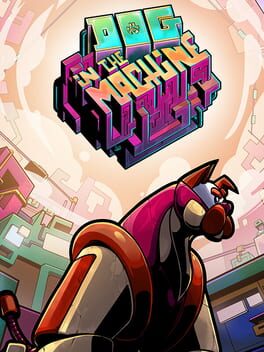
The indie studio GearPup Studios (a moniker deliberately chosen to echo the game's canine‑mech motif) unveiled Dog in the Machine during a surprise digital showcase streamed on Twitch last week. The reveal confirmed a multi‑platform launch—PC, Nintendo Switch, and PlayStation 5—targeted for Q4 2026, with a simultaneous early‑access window slated for late summer. At its core, the game places players in command of a squad of highly customizable robotic canines, each equipped with interchangeable “trick modules” that function as both offensive abilities and environmental interactions. Players will issue orders in a turn‑based fashion, selecting which dog to move, which trick to deploy, and how to manipulate the surrounding props—ranging from explosive barrels to electrified fences—to gain tactical superiority.
Developer lead Maya Hsu elaborated on the design philosophy during the post‑showcase Q&A, emphasizing that the “trick system” was conceived as a bridge between the deterministic combat of Into the Breach and the emergent play that arises when players experiment with physics‑based props. Each trick—such as “Fetch Blast,” which hurls a magnetic bone to pull metal objects, or “Bark Shield,” a sonic wave that temporarily disables enemy sensors—can be upgraded through a branching skill tree, encouraging players to specialize their canine units or maintain a versatile roster. Additionally, the studio hinted at a cooperative multiplayer mode where two players can coordinate their packs in real time, a feature that could deepen the strategic layer and foster a community around shared puzzle‑solving.
Analysis
From a market perspective, Dog in the Machine arrives at a juncture where the tactical genre is fragmenting into niche sub‑categories, each vying for a slice of an audience that has grown accustomed to high‑production values and deep progression systems. Competing titles such as Gears Tactics, Phoenix Point, and the ever‑evolving XCOM franchise have set lofty expectations for AI sophistication, narrative integration, and post‑launch content pipelines. GearPup’s emphasis on prop‑based puzzles could differentiate the game by offering a more tactile, almost sandbox‑like feel, potentially attracting players who found traditional grid combat too abstract. However, the reliance on physics interactions introduces technical risk; ensuring consistent behavior across the Switch’s limited hardware and the more powerful PS5 will demand rigorous optimization and perhaps adaptive fidelity settings.
Strategically, the title also taps into the growing trend of cross‑demographic appeal. By foregrounding a whimsical premise—mechanised dogs performing tricks—the game sidesteps the grim seriousness that can alienate casual gamers, while still delivering the depth expected by hardcore strategists. This duality mirrors the successful formula employed by titles like Hades, which married mythic storytelling with accessible roguelike loops. If GearPup can sustain post‑launch engagement through downloadable trick packs, seasonal prop challenges, and community‑driven level editors, the title could evolve into a long‑tail revenue engine, bolstering the studio’s financial stability and setting a precedent for indie developers to pursue hybrid thematic concepts.
XPLog Opinion
At XPLog UK we view Dog in the Machine as a bold experiment that could recalibrate the expectations of what a tactical puzzle game can be. Its canine‑mech aesthetic is more than a marketing gimmick; it serves as a narrative conduit that humanises cold, calculated combat, allowing players to form an emotional attachment to their metal hounds. This emotional hook, combined with a genuinely innovative trick system, positions the game to carve out a distinct identity in a crowded marketplace. Our concern lies in execution—if the physics engine feels fickle or the AI fails to present a credible challenge, the novelty may wear off quickly. Nonetheless, the studio’s transparent development roadmap and commitment to community feedback give us confidence that the final product will deliver a compelling blend of strategy, charm, and replayability.
Final Thoughts
In sum, Dog in the Machine promises to expand the tactical genre’s vocabulary by marrying precise turn‑based decision‑making with the chaotic joy of prop‑driven dog tricks. With an early‑access window slated for August 2026 and a full launch before year‑end, the coming months will be critical for GearPup Studios to fine‑tune the physics, balance the trick trees, and nurture a player community eager for both strategic depth and canine camaraderie. Keep an eye on the studio’s dev‑log updates and the upcoming PlayStation 5 showcase in November, where the first live gameplay demo is expected to drop, offering a clearer glimpse of how this mecha‑dog spectacle will reshape the battlefield.