.png)
Overview
Since its debut on the Nintendo Entertainment System in 1986, Dragon Quest has been the cornerstone of the Japanese role‑playing game (JRPG) genre, laying down narrative and mechanical templates that countless successors would emulate. Created by visionary designer Yuji Horii and backed by the combined might of Enix—later merged into Square Enix—the series cultivated a loyal fanbase across generations, from the pixel‑art adventures of the original titles to the lush, high‑definition worlds of the modern installments. Its influence extends beyond sales figures; it helped define the very notion of a “hero’s journey” in interactive media, and its signature turn‑based combat and whimsical art direction have become cultural touchstones in both Japan and the West.
Reaching the 100‑million‑unit milestone now arrives at a pivotal moment for the franchise and the broader industry. The last decade has seen JRPGs grapple with shifting consumer expectations, the rise of live‑service models, and a competitive market dominated by open‑world action titles. Yet Dragon Quest has managed to stay relevant through strategic platform diversification—leveraging Nintendo’s hardware, embracing mobile spin‑offs, and even experimenting with cloud streaming. This achievement not only validates the series’ enduring appeal but also signals that traditional, narrative‑driven RPGs can still thrive in an ecosystem increasingly focused on multiplayer and microtransaction‑heavy experiences.
What Happened?
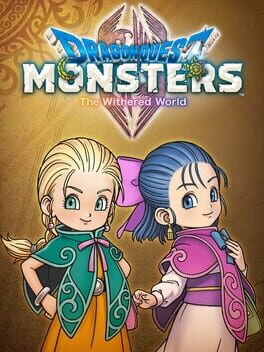
Square Enix confirmed the landmark sales figure in a concise press release that was quickly amplified by a heartfelt video message from series architect Yuji Horii. In the clip, Horii thanked the global community of players, emphasizing that the milestone would not have been possible without the “unwavering support of fans who have journeyed with us through every kingdom and monster.” The announcement was timed to build anticipation for the upcoming launch of Dragon Quest Monsters: The Withered World, a new entry in the spin‑off series that promises to blend classic monster‑collection mechanics with contemporary graphical upgrades and cross‑platform connectivity.
The company broke down the sales data, revealing that the 100‑million tally comprises physical and digital copies across console, handheld, and mobile platforms, with a pronounced surge in the past five years driven by the success of Dragon Quest XI and its subsequent expansions. Regional analysis showed Japan accounting for roughly 45 % of total sales, while North America and Europe together contributed another 35 %, underscoring the franchise’s expanding western foothold. Compared to Square Enix’s other flagship—Final Fantasy, which sits just shy of 170 million units—Dragon Quest’s growth trajectory is impressive, especially given its historically Japan‑centric marketing strategy.
Analysis
The 100‑million benchmark positions Dragon Quest as a rare JRPG that has transcended niche status to become a mainstream commercial powerhouse. For Square Enix, the figure provides a valuable negotiating chip in discussions with platform holders, particularly Nintendo, whose consoles have historically been the series’ primary launchpads. The data also suggests a healthy diversification of revenue streams: while legacy console sales remain robust, digital distribution and mobile adaptations now represent a significant share, reflecting broader industry trends toward omnichannel accessibility. Competitors such as Capcom’s Monster Hunter series have demonstrated that niche RPG mechanics can achieve global blockbuster status when paired with strong community support and regular content updates; Dragon Quest’s upcoming monster‑collection title appears poised to tap into that same formula.
Looking ahead, the milestone may catalyze a new wave of investment in the franchise’s infrastructure. Technical hurdles—such as updating the series’ classic turn‑based engine for next‑gen hardware while preserving its signature feel—have historically limited rapid iteration. However, Square Enix’s recent adoption of the Luminous Engine and its partnership with cloud‑based services suggest that future titles could benefit from scalable performance and broader cross‑play capabilities. Moreover, the commercial validation may encourage the publisher to green‑light more ambitious projects, including potential remasters of early entries for modern consoles, expanded DLC roadmaps, and perhaps even a foray into live‑service ecosystems without diluting the core identity that fans cherish.
XPLog Opinion
From XPLog’s perspective, Dragon Quest’s ascent to 100 million units is not just a numbers game—it is a cultural affirmation that narrative‑driven, turn‑based RPGs still hold a vital place in an industry increasingly dominated by shooters and battle‑royales. Square Enix now faces the delicate task of leveraging this momentum to innovate responsibly, ensuring that future entries honor the series’ storied heritage while embracing the connectivity and service‑oriented expectations of today’s gamers. The forthcoming The Withered World could serve as a litmus test: if it successfully marries classic monster‑catching charm with modern online features, it will demonstrate that the franchise can evolve without alienating its core constituency.
Final Thoughts
In sum, the 100‑million‑unit milestone cements Dragon Quest as a pillar of the global gaming pantheon and offers Square Enix a robust platform from which to launch the next chapter of its storied saga. Fans should keep an eye on the release window for Dragon Quest Monsters: The Withered World later this year, as well as Square Enix’s upcoming fiscal reports, which will likely reveal how the company intends to capitalize on this achievement across both legacy and emerging platforms. The journey continues, and the next decade promises to be as pivotal for Dragon Quest as its inaugural adventure was back in 1986.