.png)
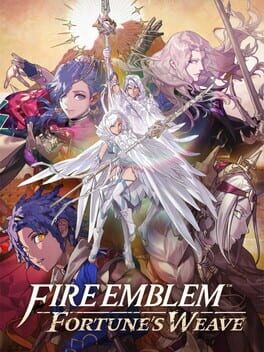
Overview
When Nintendo announced Fire Emblem: Fortune's Weave for a September 17 launch, the tactical‑RPG community braced for what many hoped would be a modern counterpart to the genre‑defining Awakening. The series, which has oscillated between niche strategy titles and mainstream blockbusters since its 1990 debut on the Famicom, now sits at a crossroads where legacy mechanics meet the expectations of a streaming‑driven, globally connected player base. The timing of the release is no accident: it lands squarely between the holiday rush and the post‑summer lull, a window that historically favours titles with strong word‑of‑mouth potential and robust post‑launch support.
Beyond the calendar, the broader market context amplifies the stakes. The tactical‑RPG niche has seen a resurgence thanks to indie successes like Disgaea 5 and the rise of mobile‑first strategy games that borrow heavily from Fire Emblem’s core loop. Simultaneously, Nintendo’s Switch hardware has entered its fifth year, with a mature install base that now expects deeper narrative experiences and refined combat systems. In this environment, a review score of 8/10 does more than validate a single game; it signals to publishers that there remains a lucrative appetite for dense, story‑rich strategy titles that can compete with both AAA action‑adventure releases and the ever‑growing catalog of live‑service games.
What Happened?
The embargo surrounding Fortune's Weave finally lifted, unveiling a chorus of critiques that converge on a common theme: the game delivers a richly layered tactical experience while stumbling over its own ambition. Jim Norman of Nintendo Life praised the battle controls for their responsiveness, noting that the integration of a new “dynamic positioning” mechanic allows players to manipulate terrain in real time—a feature that feels like an evolutionary step from the series’ traditional grid‑based combat. Equally lauded were the protagonists, whose interwoven backstories provide emotional stakes that echo the character‑driven storytelling that made Awakening a cultural touchstone.
However, the same reviews flag pacing inconsistencies, particularly in the mid‑game where side‑quest density threatens to dilute the main narrative thrust. Critics argue that while the side content is meticulously crafted, it can interrupt the momentum built by the central campaign, leading to a rhythm that feels “a touch off” compared with earlier entries. The consensus, though, is that these flaws are outweighed by the depth of the combat system and the delightfully dense world‑building, positioning Fortune's Weave as a strong contender for year‑end awards in the strategy category.
Analysis
From a market perspective, an 8/10 rating from a respected outlet like Nintendo Life can translate into a measurable sales bump, especially when paired with the franchise’s established brand equity. The tactical‑RPG segment has historically been a bellwether for Nintendo’s ability to monetize niche genres without resorting to aggressive monetisation models. Fortune's Weave’s success could encourage Nintendo and third‑party developers to allocate larger budgets toward deeper, single‑player experiences, counterbalancing the current industry tilt toward live‑service titles. Moreover, the game’s technical innovations—particularly the dynamic terrain manipulation—set a new benchmark that competitors such as Square Enix’s Triangle Strategy will need to match or exceed to remain relevant.
On the competitive front, the release also tests the resilience of the Switch ecosystem against the looming arrival of next‑gen hardware from Sony and Microsoft. If Fortune's Weave can sustain strong sales through the holiday season, it will reinforce the argument that the Switch remains a viable platform for premium, story‑driven releases well into its lifecycle. This could influence third‑party publishers to continue supporting the console, extending its software pipeline and preserving its market share against the allure of more powerful hardware.
XPLog Opinion
At XPLog UK we view Fortune's Weave as a decisive statement that the Fire Emblem lineage still possesses the creative horsepower to shape the tactical‑RPG genre. Its blend of refined combat depth and narrative ambition demonstrates that Nintendo can deliver experiences that satisfy both veteran strategists and newcomers seeking a compelling story. While pacing hiccups are noteworthy, they are a small price to pay for a title that pushes the series forward technologically and thematically, and we expect the game to become a reference point for future entries across the genre.
Final Thoughts
In sum, Fire Emblem: Fortune's Weave arrives at a pivotal moment for both its franchise and the broader console market, offering a richly crafted experience that, despite minor pacing flaws, reaffirms the commercial viability of deep, single‑player strategy games on the Switch. Players and analysts alike should keep an eye on sales data through December and watch for post‑launch updates that could address pacing concerns, as those signals will shape the strategic direction of Nintendo’s upcoming fiscal planning and the next wave of tactical RPG development.