.png)
Overview
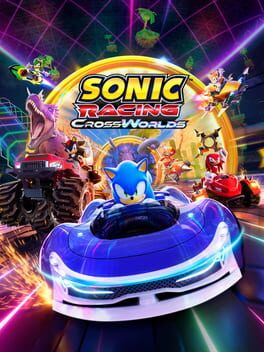
Sonic Racing: CrossWorlds, the latest entry in Sega's high‑octane kart‑style franchise, has entered what the studio internally dubs “Year Two” – a twelve‑month post‑launch window dedicated to free content, balance tweaks, and community‑driven enhancements. The decision to structure the game’s lifecycle around a Year‑Two roadmap mirrors a broader industry shift that began with games‑as‑a‑service models on consoles and has since filtered down to the family‑friendly racing niche, where player retention hinges on fresh cosmetic and gameplay incentives rather than heavy monetisation. By anchoring this phase with a marquee crossover, Sega is signalling that it intends to keep the title relevant not just as a seasonal curiosity but as a persistent hub for multiplayer competition on the Nintendo Switch and other platforms.
In the current console ecosystem, Nintendo’s Switch continues to dominate the casual‑to‑core racing segment, thanks to its portable nature and a library that favours accessible, multiplayer‑first experiences. Sega, still rebuilding its brand equity after the mixed reception of Sonic Frontiers, has leaned heavily on nostalgia‑driven collaborations – think Sonic & Mario cross‑overs – to re‑engage lapsed fans. The addition of Bayonetta, a character born from Capcom’s action‑heavy Witch series, represents a strategic pivot: it taps into the growing appetite for high‑profile guest stars while also testing the waters for future cross‑studio licensing deals that could broaden the appeal of Sega’s racing IP beyond its traditional fanbase.
What Happened?
During a freshly released trailer, Sega unveiled that the legendary Umbra Witch Bayonetta will be joining the Sonic Racing roster as a free character in the upcoming Year‑Two update. The footage showcases Bayonetta’s signature hair‑whipping animation seamlessly integrated into the game’s kart‑driving physics, complete with a bespoke set of vehicle skins that echo her sleek, black‑and‑gold aesthetic. While the update is billed as “free,” it arrives bundled with a suite of ancillary items – a new set of emotes, a themed soundtrack remix, and a limited‑time “Witch’s Challenge” time trial – all designed to give players a taste of the franchise’s flamboyant flair without demanding additional spend.
Accompanying the character reveal, Sega released a brief developer commentary outlining the broader Year‑Two plan: a staggered rollout of new tracks, balance patches based on community telemetry, and a series of “crossover weeks” that will spotlight different guest franchises. The studio emphasized that player feedback from the launch window directly informed the decision to bring Bayonetta on board, noting that the Witch’s fanbase has long expressed a desire to see her speed‑run the rainbow‑colored circuits that have become synonymous with Sonic Racing. The update is slated for a “coming soon” release window, with Sega promising a precise date in the next fortnight.
Analysis
From a monetisation perspective, offering Bayonetta as a free character is a calculated risk that leans on indirect revenue streams. By enriching the game’s content pipeline without a direct price tag, Sega hopes to boost active player counts, which in turn fuels higher engagement metrics that are attractive to advertisers and potential esports partners. Moreover, the crossover serves as a low‑cost marketing catalyst: fans of the Bayonetta series are likely to download the game to experience her in a new context, thereby expanding the title’s install base beyond the core Sonic audience. This approach aligns with the “halo” strategy employed by other publishers, where a high‑profile IP is used to draw attention to a platform‑agnostic title, subsequently driving sales of ancillary DLC or season passes that may follow later in the year.
Strategically, the update also positions Sega as a more collaborative player in the console ecosystem, particularly on Nintendo’s Switch. While the platform has traditionally been dominated by Nintendo‑first IPs, recent years have seen an influx of third‑party titles leveraging the console’s unique hybrid capabilities. By securing a licensing deal with Capcom – a company that has historically guarded its characters tightly – Sega signals a willingness to negotiate mutually beneficial cross‑licensing agreements that could see other heavyweight franchises, perhaps even from the PlayStation or Xbox spheres, appear on the Switch’s racing tracks. This could accelerate the console’s diversification, forcing competitors to reconsider the value of exclusive character rosters in their own service‑driven games.
XPLog Opinion
At XPLog we view Bayonetta’s entry into Sonic Racing as a savvy, if not slightly daring, maneuver that underscores Sega’s renewed focus on community‑centric growth. The free‑to‑play nature of the update respects the expectations of a player base that has grown weary of pay‑to‑unlock models, while the high‑profile nature of the guest character delivers the headline‑grabbing buzz that the franchise needs to stay visible in a crowded marketplace. However, the true test will be whether Sega can sustain this momentum with substantive, gameplay‑forward content beyond cosmetic flair – a pitfall that has doomed many crossover‑heavy releases in the past.
Final Thoughts
Bayonetta’s arrival on the Sonic Racing circuit marks the first tangible milestone of CrossWorlds’ Year‑Two promise, and it sets a precedent for how free, high‑impact updates can be leveraged to rejuvenate a title’s lifecycle. Players should keep an eye on Sega’s official channels for the exact launch date, expected to drop within the next two weeks, and watch for subsequent announcements that may bring additional guest franchises into the fold. If the rollout proceeds smoothly, this could herald a new era where cross‑studio collaborations become a staple of the Switch’s multiplayer landscape, reshaping expectations for both developers and gamers alike.