.png)
Overview
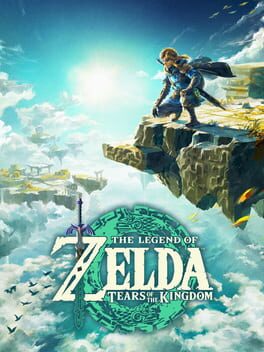
The Legend of Zelda franchise has long been a bellwether for Nintendo's ability to blend mythic storytelling with cutting‑edge design, and its ancillary products have followed suit. Since the release of the seminal Hyrule Historia in 2013, a lineage of premium coffee‑table books has chronicled the series' visual evolution, turning static art into a collector's ritual. Dark Horse Comics, a stalwart partner that first ventured into the Zelda realm with the Art & Artifacts compendium, announced earlier this year that it would once again collaborate with Nintendo to produce The Legend of Zelda: Tears of the Kingdom – Secrets of the Zonai, a deep‑dive into the mysterious ancient civilization that underpins the game's narrative.
That announcement arrived at a moment when physical media, once thought to be in terminal decline, is enjoying a renaissance among core gamers and pop‑culture aficionados. High‑quality print products—ranging from art books to limited‑edition box sets—have become status symbols that reinforce community identity and provide a tangible counterpoint to the ephemerality of digital downloads. For Nintendo, whose licensing strategy has traditionally been conservative, the decision to green‑light another expansive, high‑price‑point volume underscores a calculated bet that the Zelda fanbase will continue to fuel premium sales, even as the Switch platform edges toward the end of its natural lifespan.
What Happened?
In March 2024 Dark Horse unveiled a teaser trailer and a slate of teaser images, promising a release "next month" that would arrive in time for the holiday season. The promotional material highlighted over 200 pages of never‑before‑seen concept sketches, developer interviews, and an exhaustive visual encyclopedia of the Zonai architecture that players encountered in Tears of the Kingdom. However, by late June, both Nintendo and Dark Horse issued a joint statement confirming that the book's launch would be postponed to 2027, citing a confluence of production bottlenecks, supply‑chain volatility, and a strategic desire to align the title with a broader wave of Nintendo‑centric anniversaries slated for the latter half of the decade.
The revised timeline does not diminish the scope of the project. According to Dark Horse senior editor Maya Jansen, the volume will expand beyond the initial 200‑page promise to a full 350‑page hardcover, featuring fold‑out maps, tactile foil‑stamped covers, and a new section dedicated to the game's environmental storytelling techniques. Nintendo’s creative director, Hidemaro Fujibayashi, is quoted as saying that the art book will serve as "a living archive" that captures the iterative design process from early 3D modeling to the final in‑engine lighting, offering scholars and enthusiasts alike a rare glimpse into the studio's pipeline.
Analysis
From a market perspective, the delay positions the Zelda art book as a flagship product in a niche yet profitable segment. Comparable releases—such as Square Enix’s Final Fantasy VII Remake Art Book and Bandai Namco’s Dark Souls: Art of the Game—have consistently broken into the upper echelons of the graphic‑novel bestseller charts, despite modest print runs. By pushing the launch to 2027, Dark Horse can leverage a less crowded release calendar, potentially avoiding the seasonal glut that typically saturates the fourth quarter and erodes margin. Moreover, the extended lead time affords the publisher an opportunity to incorporate post‑launch content, such as DLC artwork and community‑generated fan art, thereby extending the book’s relevance well beyond the initial sales window.
Strategically for Nintendo, the postponement dovetails with a broader recalibration of its console ecosystem. The Switch family, now entering its sixth year, is expected to receive a hardware refresh or successor around 2026‑2027. Aligning the art book’s debut with that hardware milestone could rejuvenate interest in the franchise’s back catalog, driving both hardware and software sales. Additionally, the delay may reflect Nintendo’s cautious approach to licensing amid a shifting global supply chain; securing high‑quality paper, binding, and printing services has become increasingly complex, and a misstep could tarnish the brand’s reputation for premium products. By taking a measured approach, Nintendo protects its image while still capitalising on the enduring appetite for deep, lore‑rich collectibles.
XPLog Opinion
At XPLog UK we view the 2027 release date as a double‑edged sword: on one hand, it demonstrates Nintendo’s willingness to invest in long‑term, high‑value content that respects its most dedicated fans; on the other, it risks alienating a segment of the community that expects timely tie‑ins to capitalize on the hype surrounding a game’s launch. The decision to extend the production window suggests a mature, almost archival mindset—treating the art book not merely as merchandise but as a scholarly artifact. If Nintendo can deliver on the promised depth and quality, the delay may ultimately reinforce the Zelda brand’s cultural capital, turning the book into a timeless reference rather than a fleeting seasonal novelty.
Final Thoughts
In sum, the postponement of The Legend of Zelda: Tears of the Kingdom – Secrets of the Zonai to 2027 reflects a nuanced balancing act between supply‑chain realities, strategic licensing, and the desire to produce a definitive, collector‑grade volume. Fans should mark the third quarter of 2027 as the new target window, with pre‑orders likely opening several months in advance. As Nintendo navigates the twilight of the Switch era and prepares for its next hardware generation, this art book may well become a cornerstone of the company’s legacy‑preservation strategy, offering a tangible link between past triumphs and future ambitions.