.png)
Overview
Since the launch of PlayStation Plus in 2010, Sony has repeatedly reshaped its subscription model to keep pace with an increasingly crowded games‑as‑a‑service landscape. The 2022 overhaul that merged the legacy Plus tier with the Premium and Extra libraries introduced a rotating catalogue model, mirroring the approach taken by Microsoft’s Game Pass and Nintendo’s Switch Online. This shift was not merely cosmetic; it reflected a strategic bet that gamers would value a constantly refreshed pool of titles over a static, ever‑growing backlog, thereby encouraging sustained engagement and reducing churn across the platform’s 47‑million subscribers worldwide.
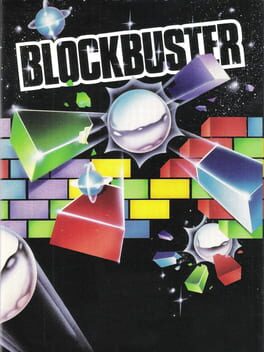
Against that backdrop, the latest “Last Chance to Play” update, posted on the PS5’s PS Plus tab, reveals that seven PS5 and PS4 games will depart the Extra and Premium tiers on 20 October 2026. While the specific titles have not been enumerated here, the pattern mirrors previous culls where a mix of indie stand‑outs, mid‑tier RPGs, and older blockbuster franchises are retired to make room for newer releases and timed exclusives. The timing is crucial: it arrives just weeks before Sony’s anticipated October showcase, suggesting a deliberate effort to clear inventory ahead of unveiling fresh content that will populate the service for the holiday season.
What Happened?
On 20 October 2026, seven games currently available to PS Plus Extra and Premium members will be removed from the rotating library. The selection spans both the PS5 generation and its predecessor, the PS4, offering a cross‑generational snapshot of Sony’s catalog strategy. Historically, such removals have included titles that have either fulfilled their licensing windows, underperformed in subscriber metrics, or are slated for re‑licensing deals that favor a premium, pay‑per‑play model instead of inclusion in the subscription. This latest batch appears to follow that template, with Sony’s internal communications emphasizing the need to “refresh the library with compelling, next‑gen experiences that align with our upcoming launch windows.”
The announcement was delivered via the “Last Chance to Play” banner—a feature that has become a de‑facto standard for informing subscribers of imminent removals. Sony’s statement, quoted in the update, highlighted a commitment to “delivering fresh, high‑quality experiences that keep the PS Plus ecosystem vibrant.” While no individual developer comments were attached, the broader industry reaction hints at a strategic pivot: Sony is likely positioning the October window to clear space for titles tied to its forthcoming PlayStation Showcase, where several new exclusives and third‑party collaborations are expected to be announced.
Analysis
The culling of seven titles may appear modest on paper, but its ripple effects are amplified by the competitive pressures exerted by Xbox Game Pass, which continues to expand its library with a mix of first‑party and third‑party titles at a comparable price point. Sony’s rotating model has historically suffered from perception issues—players often cite “library fatigue” when beloved games vanish without clear replacement pathways. By synchronising removals with a high‑visibility showcase, Sony aims to mitigate that fatigue, offering a narrative of loss followed by immediate gain. This tactic could improve subscriber retention metrics, especially if the incoming titles demonstrate strong launch sales or critical acclaim.
Behind the scenes, licensing negotiations play a decisive role in which games survive the rotation. Older third‑party IPs frequently involve complex revenue‑share agreements that become less favorable as the subscription model matures. Consequently, Sony is incentivised to prioritize first‑party content, where it retains full control over distribution and monetisation. The October 2026 removals likely reflect the expiry of legacy deals, prompting Sony to re‑allocate bandwidth toward upcoming exclusives that can double‑down on the PlayStation brand’s reputation for narrative‑driven, high‑production‑value experiences.
XPLog Opinion
From XPLog’s perspective, this modest purge is a clear signal that Sony is recalibrating its subscription engine to compete on quality rather than sheer quantity. The timing—just ahead of a major showcase—suggests a calculated move to harness hype cycles, converting the disappointment of loss into excitement for new, premium‑first releases. While some long‑time subscribers may grumble at the disappearance of niche favorites, the broader market will likely reward Sony if the incoming slate delivers the next wave of “must‑play” titles that reinforce PlayStation’s identity as the home of blockbuster, story‑rich experiences.
Final Thoughts
In sum, the October 2026 PS Plus Extra and Premium removals underscore Sony’s ongoing balancing act between catalog depth and fresh content acquisition. As the next removal window looms in December 2026, and with the October PlayStation Showcase on the horizon, players should keep a close eye on how the refreshed library aligns with Sony’s broader ecosystem goals—particularly its push for next‑gen exclusivity, cross‑play integration, and a subscription model that can sustainably rival the ever‑expanding Game Pass catalogue.