.png)
Overview
Founded in Seattle in 2011, Polyarc quickly positioned itself as a pioneer in the nascent virtual‑reality space, leveraging the then‑emerging capabilities of the Oculus Rift and PlayStation VR to craft experiences that felt both intimate and technically ambitious. Their breakout title, Moss, arrived in 2018 as a critically acclaimed showcase for narrative‑driven VR, marrying a charming stop‑motion aesthetic with innovative motion‑controlled gameplay, and it helped to legitimize the medium beyond novelty demos by proving that a heartfelt story could thrive inside a headset.
Yet the very market that Polyarc helped to shape has struggled to achieve the mass‑adoption rates that early investors once predicted. Hardware costs, platform fragmentation, and a limited install base have forced many independent studios to operate on razor‑thin margins, relying heavily on publisher advances, platform grants, or the occasional viral hit. In this environment, a twelve‑year lifecycle—spanning the rise of consumer VR, the boom of 2020‑2021, and the recent consolidation around Meta’s Quest line—represents both a commendable endurance and a stark reminder of how volatile the ecosystem remains for creators without deep pockets.
What Happened?
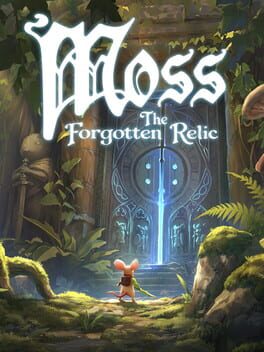
Earlier this week Polyarc announced via its official LinkedIn page that it would be winding down active development and ultimately shutting its doors, marking the end of a twelve‑year journey that began in a modest office and culminated in the upcoming release of Moss: The Forgotten Relic. The statement, terse yet heartfelt, thanked the community, partners, and staff, and indicated that the studio would focus on “responsibly wrapping up ongoing projects” while ensuring that any remaining contractual obligations are fulfilled.
While the public notice did not disclose specific financial figures, industry observers note that the timing aligns with a broader contraction among mid‑tier VR developers, many of whom have been forced to either pivot to non‑VR projects or accept acquisition offers. Polyarc’s staff list, which once peaked at around thirty developers, is now being reduced through a series of voluntary severance packages, and the studio’s physical office space is slated for liquidation. The closure also means that any post‑launch support for The Forgotten Relic, including patches or downloadable content, will be limited to the resources already baked into the final build.
Analysis
From a market perspective, Polyarc’s exit underscores the precarious balance between creative ambition and fiscal sustainability in the VR sector. Even with a title as lauded as Moss, the revenue streams generated from headset sales, platform royalties, and occasional bundle deals have struggled to offset the high cost of specialized talent and the iterative hardware upgrades required to stay compatible across multiple VR ecosystems. This dynamic has prompted larger publishers such as Sony and Meta to double down on first‑party studios, effectively raising the barrier to entry for independent houses that lack the cushion of multi‑platform publishing deals.
Competitively, Polyarc’s departure could accelerate a consolidation trend where remaining indie studios either align closely with platform holders or diversify into augmented‑reality and mixed‑reality experiences to broaden their audience reach. Technical hurdles—such as the need for continuous performance optimisation for both high‑end PC rigs and the more constrained mobile‑based Quest hardware—have also contributed to development fatigue. As the next generation of headsets promises higher fidelity and inside‑out tracking, studios that survive will likely need to adopt modular pipelines and secure longer‑term funding to weather the inevitable cycles of hype and consumer fatigue.
XPLog Opinion
At XPLog UK we view Polyarc’s closure as both a cautionary tale and a rallying cry for the UK’s own indie VR community; the studio’s legacy proves that world‑class storytelling can flourish in virtual reality, yet the financial realities they faced highlight the urgent need for more robust regional funding schemes, platform‑agnostic development tools, and a concerted effort from console manufacturers to nurture smaller creators through sustained publishing support.
Final Thoughts
While the final patch for Moss: The Forgotten Relic is expected to roll out in the coming weeks, the true impact of Polyarc’s exit will be measured over the next year as the VR market recalibrates and as developers either retreat from or double‑down on immersive experiences. Keep an eye on upcoming announcements from Sony’s PlayStation Studios and Meta’s Quest lineup, as well as emerging UK‑based VR incubators, which may well fill the creative vacuum left by Polyarc’s departure.