.png)
Overview
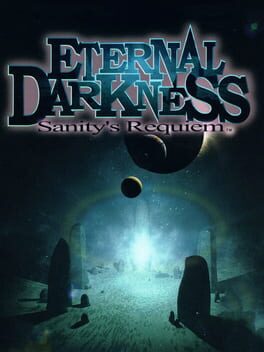
When Eternal Darkness: Sanity's Requiem launched on the Nintendo GameCube in 2002, it introduced a psychological horror experience that still resonates with veteran gamers more than two decades later. Its innovative sanity‑meter mechanic, layered narrative, and unsettling fourth‑wall breaks earned it a cult following, even as the GameCube itself faded from the mainstream. In an era where the industry is feverishly mining its back catalog for high‑definition remasters and full‑scale remakes, the title stands out as a prime candidate for revival—yet the path to a modern incarnation has always been littered with legal thickets and technical constraints.
Enter Nightdive Studios, a company that has built its brand on resurrecting forgotten classics, from System Shock to Turok. Their business model thrives on negotiating dormant intellectual property rights, rebuilding engines from scratch, and delivering faithful yet refreshed experiences to contemporary platforms. Within this broader market context—where Sony, Microsoft, and Nintendo themselves are aggressively courting nostalgia‑driven sales—the studio’s expressed interest in Eternal Darkness is not just a fan‑service wish‑list item; it signals a potential shift in how mid‑tier developers can influence the legacy‑content pipeline and challenge the major publishers’ dominance over high‑profile revivals.
What Happened?
The latest spark of optimism came from an informal exchange on social media, where a fan asked Nightdive’s studio head Stephen Kick whether the haunted corridors of Eternal Darkness would ever be revisited. Kick responded with a wry yet hopeful quip, labeling Nightdive Studios as “our only hope” for a remake. Though delivered in a light‑hearted tone, the comment carries weight because Kick has previously overseen successful overhauls that respect original design while leveraging modern hardware. His acknowledgment effectively confirmed that Nightdive remains the de‑facto steward of the title’s future, despite the absence of any official partnership announcement from Nintendo or the original developers.
Beyond the tweet, Kick has historically been transparent about the obstacles that have stalled a full‑scale remaster. Securing the necessary publishing rights from Nintendo—who retain the original GameCube IP—requires not only financial investment but also alignment on how the game will be positioned across current console generations. Moreover, the original codebase, authored by Silicon Knights, is notoriously fragmented, demanding a painstaking reconstruction or a ground‑up rebuild using Nightdive’s proprietary KEX engine. These technical and legal hurdles explain why the conversation has lingered in the realm of speculation, even as the studio’s portfolio demonstrates a growing competence in navigating such complexities.
Analysis
The horror genre has seen a renaissance in the past five years, with franchises like Resident Evil and Silent Hill receiving high‑budget revivals that have topped sales charts and re‑energized their fan bases. This trend creates a fertile market for a title like Eternal Darkness, which offers a unique blend of psychological terror and narrative experimentation that modern horror titles often lack. If Nightdive can deliver a polished remaster, it could capture both nostalgic collectors and a new generation seeking fresh scares, thereby expanding the commercial viability of mid‑tier remaster projects that traditionally rely on niche audiences.
However, the undertaking is not without risk. Re‑creating the game’s signature sanity effects with modern graphics pipelines requires careful balancing to preserve the original’s unsettling atmosphere while meeting contemporary performance standards. Additionally, the fragmented rights landscape—where Nintendo holds the publishing mantle, Silicon Knights’ assets are in limbo, and original composer and voice talent contracts may need renegotiation—could inflate development costs beyond Nightdive’s typical budgetary scope. The studio’s success will hinge on its ability to marshal additional funding, perhaps through a co‑publishing deal, and to execute a technical rebuild that honors the source material without succumbing to the pitfalls of over‑modernization.
XPLog Opinion
From XPLog’s perspective, Nightdive’s tentative claim to Eternal Darkness is a watershed moment for the preservationist segment of the industry. It demonstrates that dedicated mid‑size studios can act as custodians of culturally significant games, compelling the major platform holders to reconsider how they allocate legacy titles. A successful Eternal Darkness remaster would not only vindicate Nightdive’s model of “revive and respect” but also set a precedent that encourages other dormant IPs to surface, enriching the ecosystem for hardcore gamers who crave depth over flash.
Final Thoughts
While the road to an Eternal Darkness remaster remains shrouded in legal fog and technical uncertainty, Stephen Kick’s public acknowledgment injects a much‑needed dose of optimism into a community that has waited patiently for two decades. Players should keep an eye on upcoming industry showcases—such as the summer gaming expos and Nintendo’s own Direct presentations—where any formal partnership or milestone reveal is likely to surface. Until then, the prospect that Nightdive Studios may finally lift the veil on this classic horror experience stands as a compelling narrative of preservation, ambition, and the enduring power of well‑crafted terror.