.png)
Overview
SEGA, once a dominant force in the arcade era and later a stalwart of console publishing, has spent the past decade re‑positioning itself as a versatile IP licensor, striking deals that stretch its classic franchises beyond the confines of the joystick. From the nostalgic resurgence of Sonic the Hedgehog on the big screen to the experimental forays of Yakuza’s spin‑offs into streaming drama, the Japanese veteran has learned that modern gamers consume content across a spectrum of media, and that the health of a brand now hinges as much on its presence in living rooms as on PlayStation or Xbox dashboards. Netflix, for its part, has been aggressively courting legacy gaming properties to fill its ever‑expanding catalogue, recognizing that interactive nostalgia can drive subscriber retention in a market where pure gaming platforms are fragmenting.
The timing of this announcement cannot be overstated. The streaming wars have entered a phase where original, IP‑driven content is the primary battleground, with rivals like Disney+ and Amazon Prime leveraging their own game‑related franchises. Meanwhile, the gaming industry itself is grappling with a post‑pandemic recalibration: console sales have plateaued, while cloud gaming and cross‑media storytelling are gaining traction as the next growth vectors. Within this environment, a multi‑title collaboration that pairs SEGA’s storied catalog with Netflix’s global distribution network signals a strategic bet that the convergence of gaming nostalgia and streaming convenience will become a cornerstone of revenue for both parties.
What Happened?
In a joint press release that rippled across both gaming and entertainment newsfeeds, SEGA and Netflix unveiled three distinct adaptations currently in development. The first is a live‑action comedy film built around the chaotic, time‑pressured world of Crazy Taxi, a franchise that first thrilled arcade‑goers in the late 1990s with its over‑the‑top delivery antics. This cinematic venture will be anchored by the upcoming Crazy Taxi World Tour game, promising a cross‑promotional synergy that mirrors the successful Sonic‑movie model. The second project is a new Sonic the Hedgehog animated series aimed at younger audiences, positioning the blue mascot as a family‑friendly staple on Netflix’s kids’ slate, a move that seeks to cement Sonic’s multi‑generational appeal.
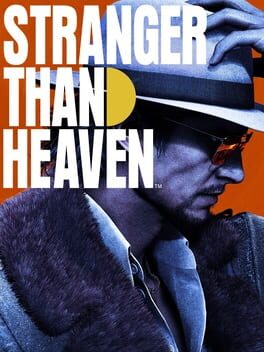
The third and perhaps most intriguing entry is a live‑action crime drama titled “Stranger Than Heaven,” sourced from RGG Studio—the creative force behind the critically acclaimed Yakuza series. This adaptation will explore darker, narrative‑driven storytelling, leveraging the studio’s reputation for cinematic storytelling within a crime‑laden urban setting. While release windows remain undisclosed, SEGA’s spokesperson emphasized that all three projects are being shepherded by seasoned production teams, and that the partnership aims to deliver content that respects the source material while expanding its reach to non‑gamer audiences.
Analysis
The collaboration arrives at a moment when Netflix’s content budget is swelling beyond traditional TV series into high‑concept, franchise‑based films. By tapping SEGA’s portfolio, Netflix secures a ready‑made fanbase that can be mobilized across its platform, potentially lowering acquisition costs compared to wholly original IP. For SEGA, the arrangement offers a low‑risk avenue to monetize legacy titles that have seen diminishing returns on purely gaming fronts, especially as the company pivots toward mobile and arcade‑style experiences. The cross‑promotional model—where a new game launch fuels a film release and vice versa—could set a template for future joint ventures, blurring the lines between product launch cycles and entertainment windows.
Competitor dynamics also come into play. Sony’s recent push with “The Last of Us” series and Microsoft’s acquisition of Activision Blizzard illustrate a broader industry trend of integrating gaming IP into streaming ecosystems. SEGA’s partnership with Netflix positions it as a nimble alternative to the console giants, offering content that can thrive on any device without the need for proprietary hardware. However, the success of these adaptations will hinge on execution; live‑action adaptations of notoriously quirky games have historically faltered when tone and audience expectations misalign. Moreover, production timelines and budget allocations will be scrutinized, as Netflix must balance the desire for high‑production values with the risk of alienating core fans who demand fidelity to the original gameplay experience.
XPLog Opinion
From XPLog’s perspective, this multi‑title venture represents a calculated gamble that could redefine how legacy gaming houses monetize their catalogs. SEGA’s willingness to entrust its IPs to a streaming behemoth suggests a recognition that the traditional console‑only revenue model is no longer sufficient for sustained growth. If Netflix can deliver adaptations that respect the chaotic spirit of Crazy Taxi, the wholesome charm of Sonic, and the gritty narrative depth of Yakuza‑style storytelling, it will not only vindicate the partnership but also pave the way for a new era where game studios view streaming platforms as co‑creators rather than mere distributors.
Final Thoughts
In sum, the SEGA‑Netflix alliance underscores a pivotal shift toward cross‑media storytelling that could reshape revenue streams for both game developers and streaming services. While concrete release dates remain elusive, the industry will be watching closely as these projects progress, ready to gauge whether the synergy of arcade‑era nostalgia and modern binge‑watch culture can deliver lasting value. Keep an eye on upcoming developer updates and Netflix’s quarterly slate announcements for the first concrete indicators of how this ambitious collaboration will unfold.