.png)
Overview
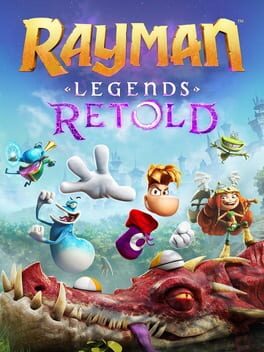
Ubisoft Montpellier’s beloved 2.5D platformer, Rayman Legends Retold, was slated to be one of the flagship launch titles for Nintendo’s highly anticipated Switch 2, with a promised arrival on 1 October. The announcement of a postponement to 3 December has sent ripples through both the developer’s fanbase and the broader industry, highlighting the delicate balance between tight launch windows and the relentless pursuit of polish that defines modern AAA releases. The original schedule positioned Rayman Legends Retold as a bridge between Nintendo’s legacy of vibrant, family‑friendly platformers and Ubisoft’s own storied lineage that stretches back to the early 1990s, when the original Rayman first leapt onto the PlayStation and Sega Saturn.
In the current console generation, the stakes for launch titles have never been higher. Nintendo’s Switch 2 is expected to deliver a significant hardware leap—enhanced GPU throughput, a faster SSD, and a refined OLED display—while still retaining the hybrid flexibility that made the original Switch a cultural phenomenon. For Ubisoft, aligning a high‑profile IP like Rayman with this hardware upgrade offers a unique opportunity to showcase the console’s capabilities and to capture the attention of both nostalgic players and a new wave of younger gamers drawn to Nintendo’s ecosystem. The delay, therefore, is not merely a scheduling hiccup; it is a strategic decision that reflects the evolving expectations of a market that now demands cinematic fidelity, seamless performance, and a level of craftsmanship that rivals the best of the industry.
What Happened?
On the cusp of the October launch, Ubisoft Montpellier took to its official social channels to announce that Rayman Legends Retold would be pushed back by two months, citing a need to “make sure every detail gets the care it deserves.” The statement, while brief, underscores a growing trend among AAA studios: the willingness to sacrifice short‑term sales momentum in favor of long‑term brand health. The delay moves the title into the early holiday window, a period traditionally dominated by blockbuster releases, but also one that offers heightened consumer spending and increased visibility for a polished product.
Internally, the development team has reportedly been fine‑tuning the game’s visual fidelity to leverage the Switch 2’s upgraded GPU, reworking level streaming to eliminate any stutter, and rebalancing the intricate rhythm‑based platforming sequences that define the Rayman experience. These technical adjustments are coupled with a renewed focus on accessibility options, ensuring that the game can be enjoyed by a broader demographic, from seasoned speedrunners to newcomers discovering Rayman for the first time. Ubisoft’s decision to publicize the delay with transparency reflects a shift in corporate communication strategy, aiming to maintain player trust in an era where surprise releases and rushed patches have eroded consumer confidence.
Analysis
The postponement carries several market implications. First, it positions Ubisoft to avoid the pitfalls of a rushed launch that could result in performance issues—a scenario that has plagued other high‑profile releases on new hardware, such as the early days of the PlayStation 5 where several titles suffered from frame‑rate instability. By targeting the December window, Ubisoft can also capitalize on the holiday shopping surge, potentially offsetting any lost revenue from missing the October launch. However, this move places Rayman Legends Retold in direct competition with other heavyweight titles slated for the same period, including anticipated releases from Sony and Microsoft that will vie for the same consumer dollars.
From a competitive standpoint, Nintendo’s own first‑party lineup—particularly the anticipated sequel to The Legend of Zelda—will dominate the discourse surrounding the Switch 2 launch. Ubisoft’s gamble hinges on the enduring appeal of the Rayman brand and its ability to differentiate itself through a distinct art style and rhythmic platforming mechanics that are not easily replicated by Nintendo’s flagship franchises. Moreover, the delay allows Ubisoft to align the game’s marketing push with a more robust post‑launch support plan, including potential DLC and seasonal events that could sustain player engagement well beyond the initial sales burst.
XPLog Opinion
At XPLog UK, we view the delay as a prudent, albeit risky, maneuver that underscores Ubisoft’s commitment to quality over expediency. In a market saturated with rushed releases that often require costly post‑launch patches, taking the extra time to ensure Rayman Legends Retold runs flawlessly on the Switch 2 is a vote of confidence in the franchise’s longevity and in Nintendo’s hybrid platform. While the holiday window is crowded, a polished, visually stunning platformer can carve out its own niche, especially among families and retro‑gaming enthusiasts who value a seamless, joy‑filled experience over sheer spectacle.
Final Thoughts
Rayman Legends Retold’s shift to a 3 December launch repositions the game as a holiday centerpiece rather than a launch‑day showcase, offering Ubisoft a chance to deliver a title that meets the high standards set by both the Rayman legacy and the expectations of Switch 2 owners. Players should keep an eye on Ubisoft’s forthcoming developer diaries, which are likely to reveal deeper insights into the technical refinements and post‑launch content roadmap. As the December release approaches, the industry will be watching to see whether this calculated delay translates into critical acclaim and robust sales, reinforcing the notion that patience and precision remain vital currencies in today’s competitive console landscape.