.png)
Overview
In the rapidly evolving crossroads of interactive entertainment and on‑demand streaming, the partnership between Sega and Netflix marks a calculated move that goes beyond mere nostalgia. For the past decade, the blue‑blurred mascot has been resurrected in cinema, merchandising, and mobile spin‑offs, yet the latest announcement signals a concerted effort to embed the franchise within the binge‑watch culture that now dominates global media consumption. Netflix, having already turned its attention to video‑game properties with titles like "The Witcher" and "Arcane," is accelerating its content pipeline, positioning itself as the de‑facto home for adaptations that can draw both legacy fans and a new generation of viewers who grew up with the console era’s golden age.
Historically, Sega’s forays into film and television have been a mixed bag—early 90s attempts such as "Sonic the Hedgehog" (1996) suffered from budget constraints, while the 2020 live‑action Sonic film demonstrated that a well‑budgeted, fan‑centric approach could yield box‑office success. Meanwhile, Netflix’s aggressive acquisition strategy has seen it secure rights to a plethora of IPs, from "Resident Evil" to "Assassin’s Creed," often delivering them as limited series or feature films that double as brand extensions. The current collaboration, therefore, is not an isolated stunt but a continuation of a broader industry trend where streaming platforms leverage recognizable gaming IPs to secure subscriber growth, especially in markets where console sales have plateaued.
What Happened?
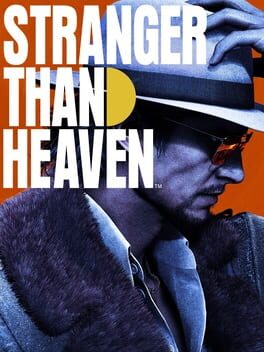
During a high‑profile digital press event, Sega and Netflix unveiled a three‑pronged slate: an animated series described as "cute yet cool" that will explore Sonic’s multiverse adventures, a feature film adaptation of the chaotic arcade classic "Crazy Taxi," and a yet‑to‑be‑named "badass action" movie based on the upcoming Sega title "Stranger Than Heaven." The Sonic series is slated for a 2025 release, promising a blend of slap‑stick humor and high‑octane chase sequences reminiscent of the original games, while also integrating contemporary storytelling techniques that Netflix’s original series have become known for. The Crazy Taxi film, meanwhile, is being positioned as a live‑action, over‑the‑top comedy that captures the frantic energy of the 1999 arcade hit, with Sega’s development team consulted to ensure authenticity in vehicle physics and cityscape design.
"Stranger Than Heaven," still under development at Sega, is a narrative‑driven action‑adventure that explores darker, more mature themes than typical Sonic fare. Netflix’s involvement promises a cinematic treatment that could elevate the property into a flagship franchise, akin to how "The Witcher" transformed a niche RPG into a mainstream cultural phenomenon. Both companies emphasized that creative control would be shared, with Sega providing narrative guidance and asset libraries, while Netflix will handle production, distribution, and global marketing. The partnership also includes a multi‑year licensing agreement that grants Netflix exclusive streaming rights to any future Sega‑originated adaptations, effectively locking the pipeline for the next decade.
Analysis
The timing of this alliance is crucial. As the console market experiences incremental growth, streaming services are scrambling for differentiation, and recognizable IPs are the most potent lever for subscriber acquisition. Sega, once a hardware titan now fully focused on software, stands to benefit from Netflix’s massive distribution network, which can introduce its catalog to regions where Sega’s presence has waned. Conversely, Netflix gains a portfolio of evergreen properties that can be refreshed across multiple formats—TV series, films, short‑form content, and even interactive episodes—mirroring the success of "Arcane" which leveraged the League of Legends brand to dominate viewership metrics.
From a competitive standpoint, this deal pits Netflix directly against other streaming juggernauts such as Amazon Prime Video, which recently secured rights to the "Fallout" franchise, and Disney+, which continues to dominate with its own legacy IPs. By securing Sonic—a character with a global recognition index rivaling Mario—Netflix not only widens its demographic reach but also signals to other publishers that the platform is willing to invest heavily in production values and marketing support. However, the venture carries risk: translating fast‑paced gameplay into narrative media has historically produced uneven results, and the creative teams will need to balance fan expectations with broader audience accessibility to avoid the pitfalls of previous missteps like the 2020 "Sonic" film’s initial backlash over design choices.
XPLog Opinion
At XPLog, we view the Sega‑Netflix partnership as a watershed moment that could redefine how legacy gaming brands monetize in the streaming age; the real test will be whether the adaptations can capture the kinetic essence of the games while delivering compelling character arcs—something that only a disciplined, cross‑functional creative pipeline can achieve, and Netflix appears poised to provide.
Final Thoughts
In sum, the collaboration promises to inject fresh life into Sega’s storied franchises while bolstering Netflix’s content arsenal with high‑recognition, cross‑generational titles. As release windows approach—Sonic’s series in early 2025, Crazy Taxi later that year, and the "Stranger Than Heaven" film slated for 2026—observers should monitor subscriber churn data, social sentiment, and box‑office returns to gauge whether this synergy translates into sustained growth for both entities, or merely a fleeting flash of nostalgia in an increasingly crowded streaming battlefield.