.png)
Overview
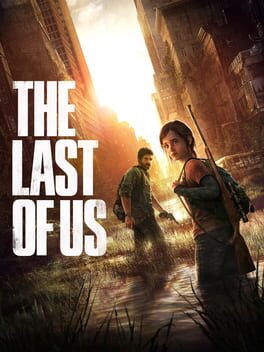
The Last of Us II, released in June 2020, has long been celebrated for its narrative ambition and technical polish, yet its multiplayer component—originally promised as a robust, asymmetrical experience—never materialised beyond a skeletal beta. Over the past few years, a dedicated community of modders has kept the flame alive, crafting a fan‑driven multiplayer framework that promised to fill the void left by Naughty Dog’s official abandonment. This effort, spearheaded by an experienced modder known only by the handle “Arcadia,” reached a critical milestone in early 2024 when a playable build was slated for public release, generating a wave of excitement across Reddit, Discord, and niche gaming forums. The announcement arrived at a moment when the industry is grappling with the tension between open‑source community contributions and the tightening grip of major publishers on their intellectual property, a conflict amplified by recent high‑profile legal skirmishes involving Bethesda, Epic Games, and Ubisoft.
Simultaneously, Sony Interactive Entertainment has been redefining its post‑launch strategy across the PlayStation ecosystem, shifting from a historically conservative stance on user‑generated content to a more curated approach that leverages its PlayStation Network as a revenue‑generating platform. The company’s recent rollout of the PlayStation 5’s “Game Help” and the expansion of its “PlayStation Plus” tiers illustrate a broader ambition to monetize ancillary experiences. Within this climate, the unexpected cease‑fire on the fan‑made multiplayer mod—prompted by a formal cease‑and‑desist letter from Sony—serves as a flashpoint, exposing how corporate risk assessments intersect with passionate player communities and the future of mod culture on console‑first ecosystems.
What Happened?
In late August 2026, Arcadia posted a detailed update on the mod’s development blog, confirming that the final public release, originally scheduled for early September, would be indefinitely postponed. The mod had already passed extensive internal testing, featuring custom matchmaking, balanced weapon load‑outs, and a suite of community‑crafted maps that mirrored the game’s post‑apocalyptic aesthetic. According to the developer, the decision came after receiving a sternly worded letter from Sony’s legal department, citing violations of the company’s “Intellectual Property and Content Guidelines” and warning of potential infringement claims should the mod be distributed. The correspondence, while not publicly disclosed in full, reportedly referenced the “unauthorised use of proprietary assets” and the potential for the mod to be misconstrued as an official Sony product.
Arcadia’s response was measured yet resolute: he thanked the community for its support, promised to archive the code for personal use, and hinted at possible future work on a “stand‑alone” multiplayer experience that would avoid any direct reuse of Sony‑owned assets. The incident has ignited a broader conversation among modders, who now question whether the legal landscape for console‑based modifications has shifted irrevocably. Meanwhile, Sony has remained largely silent, offering only a generic statement that it “protects its IP and works closely with partners to ensure compliance with licensing agreements.” This reticence fuels speculation that the letter is part of a larger, perhaps pre‑emptive, strategy to curb any unofficial extensions that could dilute the brand or interfere with potential future monetisation plans.
Analysis
The shutdown of the Last of Us II multiplayer mod underscores a pivotal moment for console‑centric modding ecosystems. Historically, Sony has permitted limited modding on titles like “Skyrim” and “Fallout 4” via its “Mod Support” program, but those initiatives were tightly controlled, requiring developers to opt‑in and submit assets through official channels. In contrast, the Arcadia project operated entirely outside Sony’s sanctioned pipeline, leveraging extracted game files and reverse‑engineered networking code. As the PlayStation platform matures, the cost‑benefit analysis for publishers shifts: the potential revenue from a community‑driven multiplayer layer is outweighed by the risk of brand erosion, support overhead, and the legal complexities of asset ownership. Moreover, with Sony eyeing a possible “Live Service” reboot for The Last of Us II—rumoured to include seasonal content and cross‑play capabilities—the existence of an unofficial multiplayer could fragment the player base and complicate data analytics essential for monetisation.
From a market perspective, this decision may reverberate beyond Sony’s own catalogue. Competitors such as Microsoft have embraced modding more openly, integrating the “Minecraft” and “Bethesda” mod ecosystems into Xbox Game Pass, thereby positioning themselves as champions of user‑generated content. Sony’s more restrictive posture could alienate a segment of core gamers who view modding as a vital extension of a game's lifespan. Conversely, the move may reassure investors that the company is safeguarding its high‑value IPs against uncontrolled distribution, a concern that has grown in the wake of recent “AI‑generated content” lawsuits. In the long term, the incident could catalyse a push for clearer, industry‑wide standards on mod licensing, prompting platform holders to either formalise support frameworks or double down on protective enforcement.
XPLog Opinion
At XPLog UK, we see Sony’s letter as a double‑edged sword: while it protects the sanctity of one of its flagship narratives, it also signals a retreat from the collaborative spirit that has historically kept legacy titles vibrant. The Last of Us II’s multiplayer void is a glaring omission that fans have been trying to fill for years; shutting down the most promising fan‑driven solution not only disappoints a loyal community but also forfeits an organic testing ground for future live‑service mechanics. In an era where player‑generated content can drive engagement metrics upward by double‑digit percentages, Sony would be wiser to develop a transparent, revenue‑sharing pathway that legitimises mods without relinquishing control—a model that could turn a legal headache into a sustainable ecosystem.
Final Thoughts
As the dust settles on this legal showdown, the broader industry will be watching to see whether Sony tightens its grip on all fan‑made extensions or eventually opens a regulated gateway for creators. The next milestones to monitor are Sony’s upcoming fiscal‑year earnings call—where any mention of a “multiplayer revamp” for The Last of Us II would hint at an official pivot—and the potential emergence of a new, Sony‑approved mod‑licensing framework within the PlayStation ecosystem. Until then, the community’s ingenuity remains on pause, a stark reminder that the balance between IP protection and player empowerment is still very much in flux.