.png)
Overview
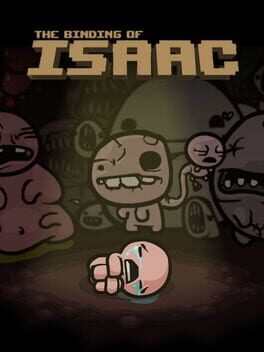
In an era where blockbuster budgets routinely eclipse the eight‑figure mark, the notion that a duo‑person studio could deliver a title with the gravitas of a Game of the Year contender seems almost anachronistic. Yet the indie landscape has repeatedly demonstrated that visionary design and tight execution can still eclipse raw financial firepower, a lesson first cemented by the meteoric rise of titles like Super Meat Boy and Undertale. The latest exemplar of this paradigm shift is Mewgenics, a turn‑based, cat‑breeding roguelike that arrived on PlayStation 5 under the joint stewardship of Edmund McMillen—renowned for the genre‑defining The Binding of Isaac—and Tyler Glaiel, the programming mind behind the brutally challenging The End Is Nigh. Their collaboration fuses McMillen’s flair for grotesque, yet endearing, art direction with Glaiel’s penchant for unforgiving systems, yielding a product that feels both nostalgically familiar and startlingly fresh.
The timing of the announcement could not be more poignant. The current console generation is dominated by a handful of heavyweight franchises, while the indie sector fights for visibility amidst a deluge of digital releases on platforms such as the PlayStation Store and Xbox Game Pass. Simultaneously, the roguelike genre has matured from niche curiosity into a mainstream staple, thanks to the iterative success of titles that marry procedural generation with deep strategic layers. Mewgenics steps into this crowded arena not merely as another entry, but as a potential benchmark for how thematic novelty—here, an elaborate cat‑breeding mechanic—can be leveraged to revitalize genre expectations and attract a broader, even non‑hardcore, audience.
What Happened?
The official reveal, delivered via a concise press release and a striking teaser trailer, confirmed that Mewgenics will launch exclusively on the PlayStation 5, positioning the title as a flagship indie offering for Sony’s ecosystem. The game promises over 100 hours of content, a staggering figure for any indie, anchored by a procedurally generated world where players must breed, mutate, and evolve feline companions to survive increasingly hostile environments. Each cat possesses a unique genetic blueprint, influencing stats, abilities, and even visual quirks, thereby turning every run into a laboratory of emergent gameplay. The developers have emphasized that the turn‑based combat system draws inspiration from classic tactical RPGs, while the roguelike loop ensures that death is permanent but informative, encouraging players to refine breeding strategies across attempts.
Both McMillen and Glaiel have been vocal about their design philosophy, noting that the project originated from a shared fascination with genetics and a desire to subvert the often grim tone of traditional roguelikes. In interviews, they highlighted that the game’s art style—an eclectic blend of hand‑drawn sprites and vibrant, hyper‑realistic textures—aims to evoke both the absurdity and tenderness of cat ownership, a theme that resonates with a surprisingly large segment of the gaming demographic. Moreover, the developers disclosed that post‑launch support will include community‑driven content tools, allowing players to craft new cat breeds and share them via an integrated marketplace, a move that could extend the title’s longevity well beyond its initial release window.
Analysis
From a market perspective, Mewgenics represents a calculated gamble that could reshape expectations for indie releases on next‑gen hardware. Sony’s recent push to spotlight indie creators—evident in initiatives like the PlayStation Indie Initiative—means that a high‑visibility title such as this can attract significant promotional resources, potentially driving console sales among a demographic that traditionally leans toward PC platforms. Additionally, the game’s hybridization of roguelike mechanics with deep simulation elements mirrors a broader industry trend where developers blend genres to capture fragmented player interests, as seen with titles like Hades and Loop Hero. If Mewgenics can deliver on its promise of a 100‑plus hour experience without succumbing to repetitive fatigue, it may set a new benchmark for content depth in indie titles, compelling larger studios to reconsider the value proposition of longer, replay‑focused releases.
Technical hurdles, however, should not be underestimated. Procedural genetics systems demand robust algorithmic design to avoid combinatorial explosion, and ensuring that each generated cat remains balanced for combat poses a non‑trivial challenge. Moreover, the decision to launch exclusively on PS5 raises questions about performance optimization across the console’s varied hardware configurations, particularly given the platform’s emphasis on high frame‑rate experiences. Should the developers navigate these complexities successfully, they will demonstrate that even modestly sized teams can harness next‑gen capabilities, potentially inspiring a wave of similarly ambitious indie projects that eschew multi‑platform releases in favor of deep, platform‑specific experiences.
XPLog Opinion
At XPLog UK we view Mewgenics as a litmus test for the viability of narrative‑driven, systems‑heavy indie games in a market increasingly dominated by live‑service behemoths; its success could reaffirm that originality and depth still command consumer attention, urging publishers to allocate more resources toward nurturing singular creative visions rather than chasing fleeting trends.
Final Thoughts
In sum, Mewgenics arrives at a crossroads where genre innovation, platform strategy, and indie ambition intersect, offering a tantalising glimpse of what a focused two‑person team can achieve on modern hardware. With a slated release in early 2027 and a roadmap that promises community‑generated expansions, the title warrants close monitoring—not just as a potential GOTY contender, but as a bellwether for the next evolution of indie development on the PlayStation 5.