.png)
Overview
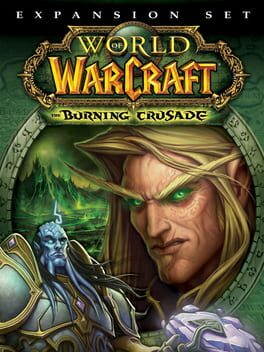
BlizzCon 2026 has once again become the stage upon which Activision Blizzard showcases the next generation of its flagship universes, a tradition that dates back to the inaugural event in 2005 when the company first revealed World of Warcraft: The Burning Crusade. The current lineup reflects a strategic pivot: after a decade of incremental expansions and the mixed reception to the 2022 Overwatch 2 live‑service model, the publisher is now betting on bold, genre‑shifting experiments that aim to recapture the cultural momentum that defined the late‑2000s era of PC‑centric, narrative‑driven releases. By positioning a StarCraft‑themed open‑world shooter alongside the long‑awaited Diablo V and a fresh World of Warcraft branch, Blizzard signals an ambition to diversify its portfolio while still leveraging the deep lore reservoirs that have kept its communities engaged for over 25 years.
From a market perspective, the timing is crucial. The real‑time strategy (RTS) genre has been in a prolonged trough, with titles like Age of Empires IV and Command & Conquer Remastered struggling to attract younger audiences accustomed to fast‑paced shooters and battle‑royale ecosystems. Simultaneously, the action‑RPG space is crowded with titles such as Elden Ring, Cyberpunk 2077’s post‑patch resurgence, and the ever‑expanding Diablo‑style looter‑shooter hybrid. Blizzard’s decision to blend these divergent expectations—turning StarCraft into an open‑world shooter, extending Diablo into its fifth numbered entry, and creating a “Forever” branch for WoW that promises a more permanent, legacy‑friendly experience—reflects a calculated response to both franchise fatigue and the broader industry’s shift toward live‑service longevity.
What Happened?
The headline of the event was a surprisingly literal description: a StarCraft shooter dubbed simply “StarCraft,” described by senior producer Maya Chen as “Deadwood in space,” a nod to the gritty, lawless frontier aesthetic of classic western shooters transposed onto the Koprulu sector. The game promises an open‑world experience where players can pilot a variety of Terran, Zerg, and Protoss vessels, engage in ground‑based firefights, and undertake procedurally generated missions that evolve based on player choice. Set for a 2030 release, the title is slated to run on both next‑gen consoles and PC, with a focus on cross‑play and a shared progression system that will integrate with the existing StarCraft II legacy, potentially revitalizing the franchise’s dwindling esports presence.
Alongside the shooter, Blizzard confirmed Diablo V for a 2029 launch, positioning it as the culmination of the series’ dark fantasy evolution. While details remain guarded, the studio hinted at a return to the franchise’s roots—hand‑drawn art direction, a more pronounced emphasis on skill‑based combat, and a live‑service component that will deliver seasonal content without fragmenting the player base. The most surprising reveal, however, was World of Warcraft: Forever, a new branch of the venerable MMO that will run parallel to the classic “Shadowlands” timeline. The moniker “Forever” appears to be a direct response to long‑time players who have measured their in‑game tenure in decades, promising a more permanent world state, reduced content churn, and a subscription model that respects the longevity of its community.
Analysis
From a financial standpoint, Blizzard’s triad of announcements could serve as a hedge against the volatility that has plagued its recent quarterly reports. The StarCraft shooter, by entering the lucrative open‑world shooter market, positions itself against juggernauts like Destiny 2 and Call of Duty, but with the added advantage of leveraging an existing sci‑fi IP that already commands a dedicated fanbase. The technical challenge lies in marrying RTS‑style macro‑management with first‑person shooter mechanics, a synthesis that, if executed well, could set a new genre benchmark. Diablo V’s return to core design principles may appease the segment of the community that felt alienated by the loot‑box controversies of Diablo Immortal, while still offering the live‑service revenue streams that modern AAA titles rely upon. Finally, WoW: Forever could redefine subscription economics by providing a more stable, less churn‑driven environment, potentially extending player lifetime value and re‑engaging lapsed veterans who have been wary of the perpetual “new expansion” treadmill.
XPLog Opinion
At XPLog UK, we view Blizzard’s roadmap as a calculated gamble that, if successful, will re‑anchor the company’s reputation for world‑building excellence while modernising its delivery pipelines. The decision to push a StarCraft shooter into open‑world territory is audacious, yet it reflects a broader industry trend of hybridizing beloved franchises to capture cross‑genre audiences. Diablo V’s promise of a “classic‑ish” experience signals a recognition that the series’ identity crisis must be resolved before it can safely venture further into live‑service territory. As for WoW: Forever, the move to a more permanent world state could be the most player‑centric decision of the year, acknowledging that the MMO’s longevity is its greatest asset. In short, Blizzard is betting on nostalgia tempered with innovation—a formula that, historically, has yielded both critical acclaim and commercial windfalls when executed with discipline.
Final Thoughts
Blizzard’s 2029‑2030 announcements mark a pivotal moment where legacy meets reinvention; the success of the StarCraft shooter, Diablo V, and WoW: Forever will hinge not only on technical execution but on how adeptly the studio balances fan expectations with market realities. As we look ahead to the next BlizzCon in 2027 for further gameplay showcases, and the beta windows slated for early 2028, the industry will be watching closely to see whether these bold bets translate into sustained growth or become cautionary tales of over‑extension.