.png)
Overview
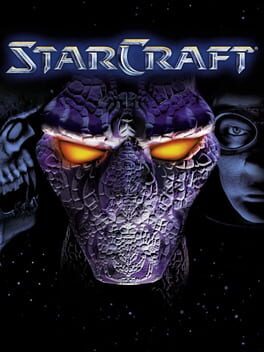
Blizzard Entertainment, once synonymous with rapid, surprise‑laden announcements that could reshape the market overnight, has taken an unusually measured tone this weekend. After a decade marked by corporate turbulence, a shift toward live‑service monetisation, and a series of high‑profile leadership changes, the studio chose to reveal two of its most ambitious projects—StarCraft’s long‑rumoured open‑world shooter incarnation and the next chapter of the Diablo saga—only to attach release windows that sit well beyond the usual three‑year horizon. This decision reflects a broader industry pivot toward longer development cycles, where publishers are increasingly wary of over‑promising and under‑delivering in an ecosystem saturated with hype‑driven launch windows.
At the same time, the broader console and PC markets are undergoing a strategic realignment. Sony and Microsoft are doubling down on exclusive, narrative‑driven experiences, while Nintendo continues to leverage its unique hardware to carve out niche audiences. Within this competitive tableau, Blizzard’s choice to place StarCraft and Diablo V on a 2029‑2030 timeline signals a confidence not only in the enduring brand equity of its flagship franchises but also in the studio’s ability to marshal resources across multiple generations of hardware. It is a calculated gamble that the titles will still feel fresh when they finally arrive, leveraging next‑generation processing power and the evolving expectations of a player base that has grown accustomed to iterative, post‑launch content.
What Happened?
During a brief, tightly‑controlled press briefing, Blizzard’s senior leadership disclosed that Diablo V is slated for a spring 2029 launch, while the highly speculative StarCraft open‑world shooter is earmarked for a 2030 release. The announcements were accompanied by a candid explanation: the company wishes to “convey confidence in some of our biggest bets” by providing concrete dates, even if those dates sit many years in the future. Executives emphasized that the extended timeline allows for a deliberate, iterative development process, ensuring that each title can benefit from the latest advances in AI‑driven design, real‑time ray tracing, and cross‑platform integration without the pressure of an imminent deadline.
Blizzard also highlighted that the decision to announce so far ahead is rooted in a strategic communication philosophy. By setting expectations now, the studio hopes to mitigate the speculation‑driven volatility that has plagued its recent product cycles. The company referenced lessons learned from previous missteps, where ambiguous timelines fostered community fatigue and amplified scrutiny over development milestones. In essence, the far‑off dates are intended to serve as a north star for both internal teams and the wider player community, signalling a commitment to quality over speed.
Analysis
The market impact of such distant release windows is two‑fold. On one hand, it grants Blizzard a rare breathing room to innovate without the relentless cadence of yearly releases that dominate the industry. This could translate into a product that redefines genre conventions, potentially re‑energising the dwindling StarCraft fanbase and attracting a new generation of action‑RPG enthusiasts to Diablo. On the other hand, the extended horizon introduces considerable risk: consumer tastes evolve, competitive titles may saturate the market, and the studio must guard against internal scope creep that could inflate budgets and erode profitability.
From a technical standpoint, targeting a 2029‑2030 launch aligns the projects with the next iteration of console hardware and the maturation of cloud‑gaming infrastructure. This timing allows Blizzard to incorporate advanced procedural generation, sophisticated multiplayer networking, and deep integration with emerging services such as subscription‑based game libraries. However, it also raises questions about platform exclusivity and cross‑play strategies, especially as Microsoft’s acquisition of Activision Blizzard continues to reshape the ecosystem. The studio will need to navigate these dynamics carefully to avoid alienating long‑standing PC‑centric communities while still delivering compelling experiences on console platforms.
XPLog Opinion
At XPLog UK, we view Blizzard’s long‑term scheduling as a bold, if risky, statement of intent. It signals a willingness to step back from the relentless “launch‑or‑die” mentality that has eroded consumer trust across the sector. By anchoring its biggest bets to dates that sit well beyond the typical product cycle, Blizzard is betting that its legacy franchises possess enough cultural inertia to survive the inevitable shifts in player expectations. If executed with the rigor the studio claims, this could set a new benchmark for how legacy publishers manage flagship IPs in an era where quality and sustainability are becoming as valuable as speed to market.
Final Thoughts
In sum, Blizzard’s decision to announce spring 2029 for Diablo V and a 2030 release for the StarCraft shooter is a calculated attempt to restore confidence, both internally and within its community, by embracing a longer, more transparent development timeline. The industry will be watching closely as milestones emerge over the next several years, and the true test will be whether these titles can deliver the next evolutionary leap that fans have come to expect from Blizzard’s storied catalog. Keep an eye on the quarterly developer updates slated for 2025 and 2026, which will likely provide the first concrete glimpses of how these ambitious projects are shaping up.