.png)
Overview
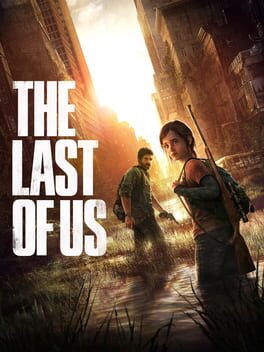
The gaming landscape of 2024 is still reverberating from the seismic shift toward live-service ecosystems and cross‑platform accessibility, yet a lingering tension remains between console‑exclusive powerhouses and the ever‑hungry modding community. When Naughty Dog released The Last of Us Part II in 2020, it not only cemented a narrative benchmark but also sparked a modest, unofficial push to extend its bleak, post‑apocalyptic world beyond the single‑player experience. Over the past three years, a small indie studio and a cadre of dedicated fans have been quietly engineering a multiplayer PvP “mod” for the PC version of the game, hoping to transform the franchise’s tightly‑controlled narrative into a competitive arena that could sit alongside titles like Call of Duty and Apex Legends.
That effort, however, collided with an increasingly protective stance from Sony Interactive Entertainment, a company that has historically guarded its intellectual property with an ironclad approach. In the wake of high‑profile disputes over fan‑made content—most notably the 2023 shutdown of the “Mortal Kombat X” fan‑remake and the 2022 clampdown on the “Skyrim VR” mod—Sony’s request to cease development on the TLOU II multiplayer project signals a broader strategic pivot. The request arrives at a moment when Sony is aggressively courting indie developers for PlayStation 5 exclusives, while also navigating the delicate balance of maintaining a premium brand image in an era where player‑generated content can both enrich and dilute a franchise’s legacy.
What Happened?
According to multiple sources within the modding team, development on the multiplayer extension reached a functional prototype stage in early 2024, complete with networked matchmaking, a limited roster of infected and survivor classes, and a map suite that repurposed iconic locations from the base game. The team had begun a closed‑beta testing cycle on PC, inviting a select group of community members to stress‑test server stability and gameplay balance. The breakthrough, however, was abruptly halted when a formal communication from Sony’s legal department arrived, citing concerns over brand integrity, potential gameplay contradictions, and the risk of fragmenting the franchise’s narrative cohesion.
The developers, who have remained anonymous to protect themselves from potential litigation, reported that Sony’s request was not a cease‑and‑desist order backed by a lawsuit, but a direct appeal to “respect the artistic vision and commercial roadmap” of The Last of Us series. The mod team complied, pulling the build from public distribution and archiving all code repositories. While the studio’s spokesperson expressed disappointment, they also emphasized a willingness to explore future collaborations with Sony under more formalized licensing agreements, underscoring the delicate dance between fan enthusiasm and corporate stewardship.
Analysis
The immediate market impact of Sony’s intervention is twofold. First, it reinforces the notion that Sony views its flagship IPs as sacrosanct, a stance that may deter independent studios from investing resources into unofficial extensions of its properties. This could inadvertently shrink the ecosystem of ancillary content that traditionally fuels long‑term engagement, especially on PC where modding remains a cornerstone of community retention. Second, the move highlights a strategic calculus: by curbing unsanctioned multiplayer experiences, Sony preserves the narrative purity of The Last of Us franchise, ensuring that any future official multiplayer or co‑op venture—rumoured to be in early conceptual stages—won’t be pre‑empted or diluted by fan‑made alternatives.
From a broader industry perspective, Sony’s action mirrors a pattern observed among other console manufacturers seeking to lock down their premium ecosystems. Microsoft’s recent acquisition of Activision Blizzard, for instance, has been accompanied by a clear policy to integrate its flagship franchises into Xbox Game Pass while limiting external modifications that could fragment the brand experience. Conversely, Nintendo has taken a more permissive approach with titles like Super Mario Maker, allowing user‑generated content to become a revenue stream. Sony’s decision, therefore, positions it firmly on the side of brand guardianship, potentially sacrificing short‑term goodwill among modders for long‑term control over monetisation pathways and narrative consistency.
XPLog Opinion
At XPLog UK we see Sony’s request as a double‑edged sword: while it safeguards the artistic integrity of a franchise that has defined narrative gaming for a generation, it also risks alienating a segment of the core audience that thrives on community‑driven innovation. The real test will be whether Sony can translate this protective posture into a robust, officially‑supported multiplayer offering that satisfies the same appetite the mod community demonstrated. If the publisher fails to deliver, the gap left by the cancelled mod may widen, prompting players to look elsewhere for post‑launch experiences and potentially eroding the franchise’s cultural relevance over time.
Final Thoughts
In the months ahead, all eyes will be on Sony’s official channels for any hint of an authorized multiplayer or co‑op mode for The Last of Us series, as well as on the mod team’s next move—whether they will pivot to a wholly original IP or seek a sanctioned partnership. The cancellation serves as a cautionary tale about the limits of fan‑driven development within tightly‑controlled IP ecosystems, and it underscores the growing importance of clear licensing frameworks in an era where player expectations for post‑launch content are higher than ever.