.png)
Overview
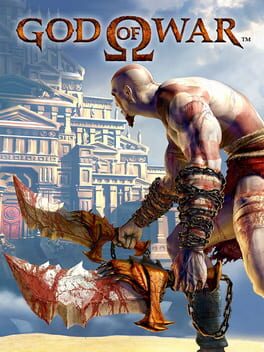
BlizzCon’s latest installment has once again thrust Blizzard Entertainment into the spotlight, not merely as a nostalgic custodian of legacy franchises but as a forward‑looking engine of next‑generation ambition. The dual announcements of Diablo V, slated for a 2029 release, and an unprecedented open‑world StarCraft shooter aimed at 2030, signal a strategic pivot toward expansive, genre‑blending experiences that will inevitably intersect with the forthcoming hardware cycles of Sony’s PlayStation 6 and Microsoft’s Xbox Helix. This timing is no accident; it reflects a broader industry rhythm where marquee titles are deliberately aligned with console generational shifts to maximize launch‑window impact, a practice dating back to the early‑2000s with titles like *Halo 2* and *God of War* leveraging the Xbox 360 and PlayStation 3 debuts respectively.
Historically, Blizzard’s portfolio has thrived on deep, iterative refinements—Diablo III’s 2012 launch, followed by a decade of expansions, and StarCraft II’s 2010 debut that cemented the franchise’s e‑sports pedigree. Yet the current market is saturated with live‑service shooters and action‑RPGs, forcing studios to differentiate through scale, narrative ambition, and cross‑platform accessibility. The announced titles arrive at a crossroads where the console wars are increasingly defined by ecosystem exclusivity, subscription services, and cloud‑gaming integration. With Microsoft’s acquisition of Blizzard now solidified, Xbox‑first releases are a given, but the lingering question of PlayStation support could dictate whether these flagship IPs become truly platform‑agnostic experiences or remain tethered to Microsoft’s strategic vision.
What Happened?
During the three‑hour BlizzCon showcase, senior producer Maya Patel unveiled a cinematic trailer for Diablo V, highlighting a darker, more visceral aesthetic that appears to abandon the series’ traditional isometric perspective in favor of a fully realized 3D open world. The narrative premise centers on a cataclysmic convergence of the Burning Hells and the High Heavens, promising a multi‑year live‑service model that will blend classic loot‑driven progression with procedurally generated events and a persistent, player‑driven economy. Development milestones disclosed include a closed beta slated for early 2028, with a full launch targeted for Q3 2029, aligning with the projected release window of the PlayStation 6 and Xbox Helix.
Concurrently, Blizzard introduced an open‑world StarCraft shooter, a radical departure from the franchise’s RTS roots. The game, tentatively titled *StarCraft: Frontier*, will immerse players in a planetary battlefield where Terran, Zerg, and Protoss factions vie for dominance in a shared, persistent environment. The announcement emphasized cross‑play functionality, integration with Xbox Game Pass at launch, and a robust modding toolkit designed to foster community‑generated content. A development roadmap revealed a pre‑alpha demo in mid‑2029, with the full title expected to ship in late 2030, positioning it as a flagship title for the next console generation.
Analysis
The timing of these releases is a calculated move to capitalize on the “console transition premium” that has historically buoyed hardware sales. By anchoring Diablo V and *StarCraft: Frontier* to the 2029‑30 window, Blizzard and Microsoft are effectively creating a dual‑pronged content strategy that could drive Xbox Helix adoption while simultaneously pressuring Sony to negotiate third‑party concessions. Moreover, the shift toward open‑world, live‑service frameworks mirrors industry trends set by titles such as *Elden Ring* and *Destiny 2*, where ongoing content pipelines sustain player engagement far beyond the initial launch. However, the technical demands of a seamless, faction‑based shooter on a persistent world will test the Helix’s architecture, especially concerning server scalability and cross‑play latency, areas where Microsoft has previously excelled but will now need to defend against emerging cloud competitors.
From a market dynamics perspective, Blizzard’s expansion into an open‑world shooter could cannibalize its own RTS legacy, but it also opens avenues for monetisation through battle passes, cosmetic microtransactions, and esports franchising. The integration of a modding suite signals an acknowledgement of community‑driven longevity, a lesson learned from the mod ecosystems of *Skyrim* and *Minecraft*. Meanwhile, Diablo V’s departure from the series’ conventional design may attract a broader demographic, yet risks alienating purists who cherish the franchise’s dark fantasy roots. Balancing innovation with brand fidelity will be crucial, especially as the next‑gen console market becomes increasingly fragmented across subscription models and hardware capabilities.
XPLog Opinion
At XPLog UK we view Blizzard’s twin announcements as a bold, if risky, declaration that the studio is intent on redefining its identity for the next console epoch; the success of Diablo V and *StarCraft: Frontier* will hinge not only on technical execution but on Blizzard’s willingness to embrace true multi‑platform parity, lest they cede the lucrative PlayStation audience to competitors and undermine the cross‑generational goodwill cultivated over two decades.
Final Thoughts
In sum, Blizzard’s 2029‑30 roadmap positions it at the vanguard of next‑gen console strategy, with Diablo V and the open‑world StarCraft shooter poised to shape player expectations and console sales alike; observers should mark the early‑2028 beta windows and the 2029 PlayStation 6 launch events as critical barometers for how this ambitious dual‑launch will reverberate across the industry.