.png)
Overview
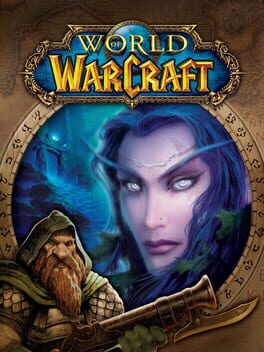
When Blizzard first resurrected the original World of Warcraft in 2019 with the launch of WoW Classic, it tapped into a well‑sprung vein of nostalgia while simultaneously reminding the market that the MMO genre still thrives on community‑driven content. The original release was more than a nostalgic cash‑grab; it was a strategic experiment in re‑engaging a lapsed player base, testing the limits of a subscription model that had been under pressure from free‑to‑play competitors and the rise of battle‑royale titans. Over the ensuing years, Blizzard has layered seasonal content, introduced progressive difficulty tiers, and painstakingly balanced the line between preserving the 2004 experience and integrating modern quality‑of‑life improvements, all while navigating the delicate expectations of a community that values authenticity above all.
Against this backdrop, the long‑rumoured “Classic+” initiative finally emerged from the shadows as World of Warcraft: Forever, a bold promise to fuse the beloved core of Classic with a forward‑looking service model that extends beyond the static content of the original. The announcement arrives at a moment when the MMO market is bifurcated: on one side, legacy titles like Final Fantasy XIV have reinvented themselves with massive narrative arcs and live‑service ecosystems; on the other, newer entrants struggle to capture sustained subscription revenue. Blizzard’s decision to double‑down on the Classic formula while injecting a perpetual content pipeline signals a strategic pivot that could reshape not only its own revenue trajectory but also the competitive dynamics of the entire genre.
What Happened?
During a streamed press event earlier this week, Blizzard confirmed that World of Warcraft: Forever will officially replace the existing Classic servers, delivering a unified platform that retains the original 1.12 gameplay core but layers a suite of new, optional systems designed to keep the world evolving indefinitely. According to senior producer Maya Patel, the “Forever” moniker reflects a commitment to an ever‑expanding content roadmap that will include rotating world events, tiered progression paths, and community‑driven governance tools that let guilds influence world state. The service will launch with a fresh “Foundations” phase, recreating the early Azeroth experience before gradually unlocking “Legacy” expansions such as The Burning Crusade and Wrath of the Lich King, each re‑imagined with optional modern mechanics like streamlined talent trees and quality‑of‑life UI upgrades.
Blizzard also disclosed that the subscription model for Forever will mirror the standard WoW pricing, but with a tiered add‑on system that grants access to premium content streams, akin to the “Game Pass” approach popularised by Microsoft. Early beta feedback suggests a strong appetite among veteran players for a living world that respects the original design philosophy while offering fresh challenges. Moreover, the studio hinted at cross‑platform play between PC and console, a move that could finally bridge the long‑standing divide between the PC‑centric MMO community and the growing console subscriber base, potentially unlocking a new demographic of casual yet dedicated players.
Analysis
The market implications of Forever are profound. By marrying the immutable nostalgia of Classic with a dynamic service layer, Blizzard is positioning itself to reclaim churned subscribers who left after the initial Classic launch due to content stagnation. This hybrid model also directly counters the success of Final Fantasy XIV’s “Endwalker” expansion, which demonstrated that a narrative‑driven, continuously updated MMO can command both critical acclaim and robust subscriber growth. If Blizzard can deliver on its promise of a living Classic world without alienating purists, it could set a new industry benchmark for how legacy IPs are revitalised in the subscription era.
Technical hurdles, however, loom large. Integrating a modern, modular content pipeline onto a codebase that dates back nearly two decades will require extensive refactoring, particularly around server architecture, latency handling, and anti‑cheat mechanisms. Blizzard’s history of patch‑day controversies—most notably the “Warcraft III: Reforged” debacle—means that community trust is fragile, and any misstep in rollout or balance could reignite backlash. Yet, the company’s recent investment in cloud‑based server solutions and its partnership with Google Cloud suggest a willingness to modernise the backbone that will support Forever’s ambitious live‑service aspirations.
XPLog Opinion
From XPLog’s perspective, World of Warcraft: Forever represents a calculated gamble that could either cement Blizzard’s dominance in the MMO space or expose the fragility of nostalgia‑driven monetisation; the decisive factor will be Blizzard’s ability to balance reverence for the Classic experience with the relentless demand for fresh, meaningful content—a balance that, if struck, will not only revive its subscription numbers but also force competitors to rethink how they treat their own legacy titles.
Final Thoughts
In sum, Forever is poised to become a litmus test for the viability of hybrid classic‑plus live‑service models in a market that increasingly rewards continual evolution over static nostalgia. Players should keep an eye on the upcoming open beta slated for early Q4 2026, where the first wave of “Foundations” content will be stress‑tested, and on Blizzard’s quarterly roadmap updates that will outline the cadence of future expansion releases, community governance tools, and cross‑platform integration milestones.