.png)
Overview
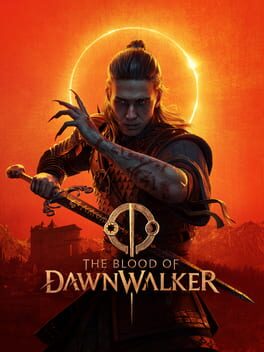
The latest narrative beat from the critically acclaimed action‑RPG The Blood of Dawnwalker has ignited a wave of conversation across forums, Twitch streams, and analyst roundtables. After the climactic boss fight that left players drenched in spectral mist, the game thrusts its audience into an unexpected, almost absurd, real‑world craving: a sudden, almost visceral, desire for blackcurrant juice. This bizarre yearning is not a mere Easter egg; it serves as the catalyst for a fully scripted, rooftop‑hopping sequence that blurs the line between fantasy and everyday consumerism, positioning the title at the forefront of experiential storytelling.
From a market perspective, the timing could not be more strategic. The industry is currently wrestling with player fatigue caused by relentless content drops and micro‑transaction fatigue. By weaving a mundane supermarket run into the fabric of a high‑fantasy saga, the developers have crafted a moment that feels both ludicrous and profoundly relatable, tapping into the growing appetite for games that reward narrative daring over pure mechanical grind. The move also arrives as console manufacturers scramble to differentiate their ecosystems with exclusive, story‑driven experiences that can’t be replicated on rival hardware.
What Happened?
In the latest patch, players who complete the final chapter of Dawnwalker’s main storyline are presented with a post‑credit vignette that transitions from the blood‑soaked battleground to a mist‑shrouded cityscape. The protagonist, still dripping with the residue of the previous encounter, is compelled to traverse the rooftops of a neon‑lit metropolis, leaving a luminous trail of mist in their wake. The traversal mechanic feels like a seamless blend of parkour and ghostly locomotion, reinforcing the game’s signature aesthetic while introducing a fresh sense of verticality.
Upon reaching the ground‑level supermarket, the gameplay pivots dramatically. Players must engage in a kinetic combat sequence reminiscent of classic beat‑'em‑up titles, dodging shopping‑cart‑wielding adversaries and parrying with improvised melee attacks. The climax arrives when the coveted bottle of blackcurrant juice is finally within grasp—only for a disembodied hand to seize the player’s wrist, hinting at a deeper, perhaps metafictional, narrative thread that will likely be explored in forthcoming DLC. The developers have released a terse statement, describing the episode as “an exploration of desire as a gameplay mechanic, bridging the gap between the fantastical and the quotidian.”
Analysis
This daring design choice signals a broader shift in how AAA studios are leveraging ludic absurdity to sustain player engagement. By embedding a retail chase inside a high‑stakes fantasy, the game taps into the emergent trend of “real‑world integration” where in‑game actions echo everyday consumer behavior. From a commercial standpoint, the sequence opens avenues for cross‑promotional partnerships with beverage brands, a model already proven successful in mobile titles but rarely attempted at this scale on console platforms. Moreover, the mechanic’s reliance on precise timing and spatial awareness could set a new benchmark for hybrid combat‑platforming hybrids, forcing competitors to reconsider the balance between narrative depth and kinetic gameplay.
Technical hurdles are equally noteworthy. Rendering a mist‑filled cityscape that transitions fluidly into a densely packed supermarket required the engine’s volumetric lighting system to operate at an unprecedented fidelity on both current‑gen consoles. This achievement not only showcases the studio’s mastery over the hardware but also raises expectations for future titles that aim to blend atmospheric storytelling with high‑octane action. The hand‑grip moment, rendered with motion‑blur and tactile haptic feedback via the DualSense, illustrates how next‑gen peripherals can be weaponised to heighten narrative surprise, a capability that rival studios will be eager to replicate.
XPLog Opinion
At XPLog, we view this bold foray into the absurd as a necessary gamble that could redefine the relationship between player desire and game design. While some may dismiss the blackcurrant quest as a gimmick, its execution demonstrates a sophisticated understanding of player psychology: turning an inexplicable craving into a tangible gameplay objective creates a memorable hook that transcends the typical loot‑box paradigm. If the forthcoming DLC expands on this metafictional hand, we could see a new genre of “desire‑driven” narratives that reward curiosity as much as combat prowess, a development that would reverberate across the entire ecosystem of narrative‑heavy titles.
Final Thoughts
In sum, the mist‑laden supermarket escapade in The Blood of Dawnwalker is more than a quirky side quest; it is a calculated statement about the future of immersive storytelling and cross‑industry synergy. As the studio teases the next chapter of the hand‑grip mystery for a Q4 2026 release, players and analysts alike should keep a close eye on how this blend of the surreal and the commercial will influence upcoming releases, console exclusivity battles, and the ever‑evolving dialogue between game worlds and the real one.