.png)
Overview
The Xbox brand has spent the last half‑decade turning its release calendar into a rolling showcase of both marquee and hidden‑gem titles, a strategy that reached a critical inflection point in 2021 when Microsoft announced its ambition to make Game Pass the ‘Netflix of games’. Since then, weekly refreshes have become a ritual for subscribers, and each new batch is measured not only for its headline attractions but for the way it reinforces Microsoft’s broader console‑first versus cloud‑first narrative. In an era where Sony continues to lean on legacy franchises and Nintendo doubles down on family‑friendly exclusives, Microsoft’s relentless cadence of fresh content serves as both a defensive bulwark against churn and an offensive lever to lure platform‑agnostic players into the Xbox ecosystem.
The week of 14‑18 September epitomises that approach, delivering a heterogeneous mix that ranges from indie experiments to established IP extensions. The lineup, announced by purexbox.com, features titles such as Aniimo, a stylised adventure that promises a fresh visual language; The Walking Dead: Streets of Survival, a tactical spin‑off that expands the franchise’s narrative beyond the television series; Two Point Hospital: Full Health Collection, a comprehensive bundle that reunites fans with a beloved simulation classic; and FEROCIOUS, a high‑octane shooter that originally launched on PC in 2022. Crucially, the week also brings a day‑one Game Pass debut – RuneScape: Dragonwilds – underscoring Microsoft’s commitment to using its subscription service as a launch platform for both new experiences and legacy reinventions.
What Happened?
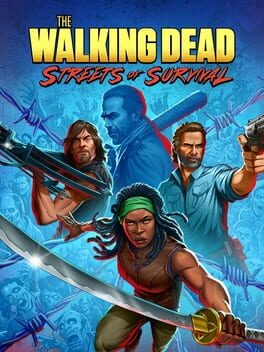
Microsoft’s official communications confirmed that Aniimo will arrive on Xbox consoles and PC on 15 September, positioning itself as a visually striking indie title that explores narrative branching in a manner reminiscent of early 2000s adventure games but with a modern, minimalist aesthetic. The Walking Dead: Streets of Survival follows on 16 September, delivering a top‑down, squad‑based tactical experience that leans into the franchise’s post‑apocalyptic lore while promising new character classes and a persistent world that will evolve through live‑service updates. Two Point Hospital: Full Health Collection, slated for 17 September, aggregates the original simulation with its expansion packs, effectively giving newcomers a complete, polished healthcare management sandbox that has historically been a cornerstone of the “casual‑hardcore” niche.
On 18 September, FEROCIOUS lands on Xbox, bringing its frenetic, arena‑style combat to the console for the first time and marking a notable expansion of the title’s platform footprint. Parallel to these releases, Xbox Game Pass users receive an unexpected but strategically significant addition: RuneScape: Dragonwilds, a fresh iteration of the long‑running MMORPG that launches directly on the subscription service. This day‑one inclusion signals a shift in how Microsoft treats legacy, high‑engagement titles – moving them from a pay‑to‑play model to an integral part of the Pass, thereby increasing the perceived value of the subscription for both veteran players and newcomers curious about the genre.
Analysis
From a market perspective, the September refresh reinforces Xbox’s “quantity‑with‑quality” mantra, a balancing act that has become increasingly scrutinised as competitors like Sony tighten their own subscription offerings. By coupling high‑visibility titles such as The Walking Dead with niche indie experiences, Microsoft hedges against the risk of diluting its catalogue while still delivering the volume of content that drives monthly active user metrics. Moreover, the inclusion of a full‑featured MMORPG on Game Pass is a calculated move to tap into the evergreen engagement loops that titles like RuneScape generate, potentially extending average subscriber lifetimes and reducing churn in a segment where player loyalty has traditionally been tied to subscription revenue rather than one‑off purchases.
Technical and ecosystem considerations also play a pivotal role. The staggered rollout across Xbox Series X|S, Xbox One, and PC showcases Microsoft’s commitment to cross‑generation parity, ensuring that even owners of older hardware can partake in the latest releases without feeling abandoned. This approach dovetails with the broader industry trend of “platform‑agnostic” publishing, where developers aim to maximise reach without fragmenting the player base. At the same time, the live‑service components hinted at for The Walking Dead and FEROCIOUS suggest that Microsoft is encouraging developers to adopt ongoing content pipelines, a strategy that aligns with its cloud‑first ambitions and the growing importance of post‑launch monetisation models.
XPLog Opinion
At XPLog UK we view this week’s slate as a microcosm of Microsoft’s long‑term vision: a subscription service that is not merely a repository of past hits but a launchpad for new experiences, even for genres historically underserved on consoles. While the sheer number of titles could be dismissed as “filler”, the strategic selection – an indie visual showcase, a franchise‑driven tactical game, a comprehensive simulation bundle, and a flagship MMORPG – demonstrates a nuanced understanding of the diverse appetites within the core gaming community. If Microsoft can sustain this cadence without sacrificing polish, the Xbox ecosystem will continue to solidify its reputation as the most player‑centric platform in the current console generation.
Final Thoughts
The September 14‑18 window offers more than a simple checklist of releases; it provides a tangible glimpse into how Xbox is leveraging Game Pass to reshape the economics of console gaming, champion cross‑generation accessibility, and nurture a balanced portfolio that appeals to both casual and hardcore audiences. As the industry watches the subscription race intensify, the upcoming weeks – especially the next major Pass update slated for early October – will be crucial in gauging whether this strategy translates into sustained subscriber growth and deeper ecosystem loyalty. Keep an eye on the performance metrics of RuneScape: Dragonwilds and the live‑service trajectories of The Walking Dead and FEROCIOUS, as they will likely set the tone for Microsoft’s next wave of content decisions.