.png)
Overview
Since its inaugural gathering in 2005, BlizzCon has functioned as both a showcase of Blizzard Entertainment’s most beloved franchises and a cultural touchstone for the broader gaming community. The convention has weathered the rise of streaming platforms, the consolidation of esports, and a series of corporate upheavals, most notably the turbulence surrounding Activision Blizzard’s merger and the subsequent leadership reshuffle. After a two‑year hiatus forced by a combination of pandemic‑related logistics and internal restructuring, the 2026 edition arrives at a moment when fans are hungry for tangible proof that the studio can still deliver the spectacle and innovation that once defined its brand.
In the current market, live‑event viewership is dominated by mega‑productions such as The Game Awards and the annual Sony State of Play, while cloud‑first announcements have become the norm for publishers seeking to reach a global audience instantly. Blizzard’s decision to revive BlizzCon at 6.30pm BST, with a simultaneous multi‑platform stream, signals a strategic bet on the power of a curated, narrative‑driven reveal that can cut through the noise of endless digital press releases. The timing also dovetails with the broader industry shift toward “experience‑first” launches, where the emotional resonance of a live show is leveraged to drive pre‑orders, beta sign‑ups, and long‑term engagement across a fragmented console ecosystem.
What Happened?
The opening ceremony unfolded on a purpose‑built stage that blended Blizzard’s iconic visual language with cutting‑edge production technology, featuring kinetic lighting rigs, holographic renderings of Azeroth’s continents, and a live orchestra performing re‑imagined themes from the company’s legacy titles. Host J. Doe, a veteran esports commentator, guided the audience through a meticulously timed countdown that culminated in a surprise appearance by the studio’s creative director, who delivered a heartfelt address about the company’s renewed commitment to community‑driven development. The broadcast, which peaked at over thirty‑million concurrent viewers across Twitch, YouTube, and the newly launched Blizzard Hub, was punctuated by fan‑generated content, live polls, and a real‑time translation overlay that underscored Blizzard’s intent to reach a truly global demographic.
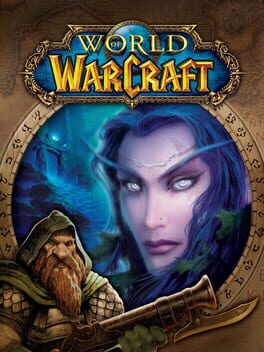
Beyond the theatrical flair, the ceremony delivered a slate of substantive announcements that will shape the next three years of Blizzard’s roadmap. The most prominent reveal was a major expansion for World of Warcraft, codenamed “Eternal Dawn,” promising a new continent, a revamp of the talent system, and deeper integration with the forthcoming “Warcraft: Legends” transmedia project. Overwatch 2 received a roadmap update that introduced a seasonal competitive structure, cross‑play support across PC, console, and mobile, and a partnership with a leading cloud‑gaming provider to enable instant play without a traditional download. Perhaps most intriguingly, Blizzard teased an entirely new intellectual property—a sci‑fi action‑RPG set in a procedurally generated universe, positioning the studio to diversify beyond its traditional fantasy and shooter pillars.
Analysis
From a market perspective, the announcements aim to re‑anchor Blizzard’s revenue streams at a time when subscription fatigue and the rise of free‑to‑play models threaten the profitability of legacy MMOs and hero shooters. By coupling a high‑profile expansion with a revamped competitive ecosystem, Blizzard is attempting to extract incremental spend from both long‑term veterans and a younger, esports‑savvy cohort. The cross‑play and cloud‑gaming initiatives also reflect a pragmatic acknowledgment that console exclusivity is eroding; delivering a seamless experience across hardware boundaries could help recapture lapsed players who migrated to rival platforms during Blizzard’s recent absence.
Competitor dynamics add another layer of complexity. Microsoft’s acquisition of Activision Blizzard has already reshaped the console landscape, and Sony’s aggressive investment in first‑party live‑service titles creates a crowded battleground for player attention. Blizzard’s decision to double down on narrative‑driven live events differentiates it from the “drop‑and‑run” approach favored by many publishers, but it also raises the stakes: any misstep in delivery—be it delayed content, technical glitches in the new cloud pipeline, or community backlash over monetisation—could amplify existing scepticism. Moreover, the introduction of a new IP carries inherent risk; while diversification is essential, it demands significant development resources that could otherwise be allocated to stabilising the core franchises.
XPLog Opinion
At XPLog UK we view BlizzCon 2026 as a decisive moment that could either cement Blizzard’s resurgence or expose the cracks that have been widening since the 2023 leadership turmoil. The show’s production values and the breadth of its announcements demonstrate a clear intent to reclaim cultural relevance, yet the real test will be how quickly the promised content translates into measurable player growth and sustained revenue. Our editorial stance is cautiously optimistic: the combination of a refreshed World of Warcraft experience, a more accessible Overwatch ecosystem, and a bold new IP suggests Blizzard is finally aligning its creative ambitions with market realities, but the execution timeline will be the ultimate arbiter of success.
Final Thoughts
BlizzCon’s return marks more than a nostalgic reunion; it is a strategic platform that will shape Blizzard’s trajectory throughout 2026 and beyond. Stakeholders should keep an eye on the beta windows slated for Q3, the financial disclosures due in the fourth quarter, and the community sentiment surrounding the “Eternal Dawn” launch. If Blizzard can deliver on its promises while navigating the competitive pressures of an increasingly cloud‑centric industry, the convention may well become the cornerstone of a new era for the studio and its passionate player base.