.png)
Overview
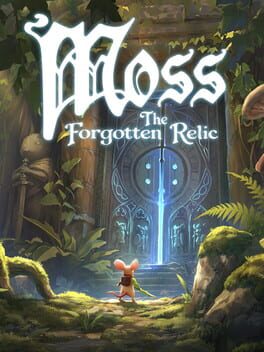
When Polyarc first announced Moss in 2018, the title arrived at a pivotal moment for virtual reality—a period when headset manufacturers were finally delivering ergonomically viable hardware and developers were scrambling to prove that VR could be more than a novelty. Moss distinguished itself by marrying a heartfelt narrative with clever spatial puzzles, demonstrating that a well‑crafted adventure could thrive in a medium still fighting for mainstream relevance. The studio’s subsequent releases, including Moss: Book II and the hybrid non‑VR compilation Moss: The Forgotten Relic, showed a willingness to iterate on its intellectual property while testing the boundaries between immersive and traditional gameplay.
Now, nearly twelve years after its inception, Polyarc has announced its closure, a development that reverberates beyond the loss of a beloved creative team. The announcement arrives amid a broader wave of studio shutdowns in 2026, from Night School Studio to Bluepoint Games, highlighting a systemic pressure on mid‑tier developers who once thrived on platform exclusivity and the boom‑and‑bust cycles of emerging technologies. For players, the news signals the end of a unique voice in VR storytelling; for the industry, it serves as a stark reminder of the fragile economics that still govern immersive game production.
What Happened?
Polyarc’s official LinkedIn statement framed the closure as the natural conclusion of a “joyous rollercoaster of emotions” that defined its twelve‑year journey. The post, while poetic, also included a practical reverse‑recruiting spreadsheet, effectively turning the studio’s final communication into a networking tool for displaced talent. No explicit financial figures were disclosed, but the timing—shortly after the release of Moss: The Forgotten Relic—suggests that the studio’s attempts to broaden its audience beyond VR may not have generated the revenue needed to sustain operations in a market still dominated by blockbuster franchises and subscription services.
The announcement also underscores a shift in Polyarc’s strategic focus. After pioneering VR experiences, the studio’s pivot to a non‑VR compilation indicated an awareness of the platform’s limited install base, yet the hybrid approach may have diluted the brand’s core identity. Industry insiders note that the move could be interpreted as a last‑ditch effort to capture a larger market share before the inevitable wind‑down, a pattern observed in other VR‑centric studios that have struggled to translate niche acclaim into sustainable cash flow.
Analysis
From a market perspective, Polyarc’s demise is emblematic of the consolidation pressures facing independent developers in the post‑pandemic era. While VR hardware sales have rebounded modestly, the ecosystem remains fragmented, with multiple headset standards and a consumer base that still treats VR as a peripheral experience rather than a primary gaming platform. This fragmentation inflates development costs, as studios must optimize for varying performance envelopes, and it hampers the ability to achieve the economies of scale enjoyed by traditional console titles. Consequently, studios like Polyarc, which rely heavily on a single flagship IP, find themselves vulnerable when that IP cannot consistently deliver blockbuster returns.
Furthermore, the closure highlights the competitive dynamics introduced by larger publishers expanding into immersive experiences. Companies such as Meta, Sony, and Apple are pouring resources into first‑party VR titles, creating a landscape where indie studios must either secure lucrative publishing deals or risk being eclipsed by better‑funded rivals. Polyarc’s partnership history, primarily self‑publishing and modest collaborations, left it without the safety net that a major publisher could provide, especially when navigating the volatile post‑launch support cycles that VR titles demand.
XPLog Opinion
At XPLog UK we view Polyarc’s shutdown as a cautionary tale for any studio betting its future on a single technological frontier. The industry’s enthusiasm for immersive experiences remains high, but the economic realities dictate that diversification—whether through cross‑platform releases, robust live‑service models, or strategic publishing alliances—is essential for longevity. Polyarc’s creative achievements will endure in the annals of VR history, yet their fate underscores the need for a more resilient business architecture that can weather the inevitable ebbs of hardware adoption cycles.
Final Thoughts
While the curtain has fallen on Polyarc, the reverberations of its work will continue to influence aspiring VR developers and the expectations of players seeking emotionally resonant experiences. Observers should keep an eye on the upcoming announcements from major console manufacturers slated for the Q4 2026 showcase, as those events will likely signal where the next wave of investment in immersive gaming is headed—and whether the industry has learned from the hard‑won lessons of studios like Polyarc.