.png)
Overview
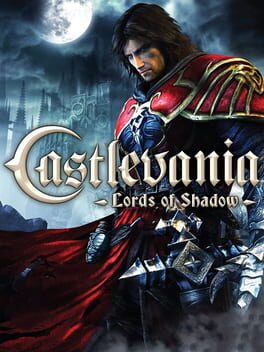
When Nintendo unveiled the silhouette of a new Metroid entry—tentatively titled Metroid Ravenous—social media erupted with speculation, but the most intriguing piece of evidence arrived from across the Atlantic. Spanish studio MercurySteam, the same team that resurrected the classic Samus Returns and collaborated on the critically lauded Metroid Dread, posted a terse string of emojis—🥷❤️😊—accompanied by a caption that hinted at a secretive development milestone. This seemingly playful gesture carried weight because MercurySteam has historically used such cryptic teasers to signal concrete progress; the studio’s previous “🗡️🛡️” tweet famously preceded the announcement of Castlevania: Lords of Shadow 2. In the context of a franchise that has been dormant on Nintendo’s flagship hardware for over a decade, the emoji-laden post functions as both a fan‑service wink and a strategic signal that the partnership between Nintendo and MercurySteam is not only alive but actively shaping the next chapter of 2‑D Metroid storytelling.
Beyond the novelty of emojis, the announcement sits at a pivotal moment for the Switch ecosystem. The console is entering its fifth year, still outselling many next‑gen rivals while grappling with a waning pipeline of first‑party exclusives. Nintendo has leaned heavily on trusted third‑party collaborators—Bandai Namco, Square Enix, and now MercurySteam—to fill the content gap and keep the hardware relevant as the company prepares a potential “Switch Pro” or entirely new platform. For core gamers, a fresh Metroid title promises not only a return to the series’ hallmark atmospheric exploration but also a litmus test for how well Nintendo can marshal external talent to deliver experiences that match the polish of its internal studios. The announcement, therefore, is less about a single game and more about the health of Nintendo’s broader content strategy in an increasingly crowded market.
What Happened?
On a quiet Tuesday, MercurySteam’s official Twitter account posted a series of three emojis—a ninja, a heart, and a smiling face—followed by a terse caption that read, “Ravenous is coming.” The brevity of the message sparked a firestorm of analysis across forums and Reddit threads, with many pointing out that the ninja emoji aligns with the series’ stealth‑infused gameplay cues revealed in Dread, while the heart suggests a renewed emotional investment in Samus’s narrative arc. Within hours, Nintendo’s own channels amplified the buzz by retweeting the post, effectively granting it an unofficial stamp of approval. Though no formal press release accompanied the tweet, the confluence of MercurySteam’s history of delivering Metroid‑centric titles and Nintendo’s willingness to amplify the message constitutes a de‑facto confirmation that development is well underway.
Further context emerged from a brief interview MercurySteam’s creative director gave to a Spanish gaming outlet, where he alluded to “building on the kinetic momentum of Dread while pushing the franchise’s lore into darker, more visceral territory.” He refrained from disclosing concrete gameplay mechanics, but the language hinted at a blend of the series’ classic 2‑D platforming roots with the newer, faster‑paced combat introduced in Dread. Moreover, the studio referenced a “tight integration with Nintendo’s hardware roadmap,” implying that Ravenous will be optimized for the Switch’s hybrid nature, possibly leveraging the console’s handheld mode for more intimate, exploration‑heavy segments. The combination of a cryptic social cue, official retweet, and developer interview paints a picture of a project that has moved beyond concept and is now in a late‑stage development phase, poised for a formal reveal at an upcoming Nintendo Direct.
Analysis
From a market perspective, MercurySteam’s involvement injects a dose of credibility into Nintendo’s third‑party pipeline at a time when the company’s own development studios are stretched across multiple ambitious projects, including a new Zelda sequel and the long‑rumored sequel to Animal Crossing. Historically, MercurySteam’s Metroid titles have performed strongly on both sales and critical fronts; Samus Returns sold over 1.2 million copies worldwide, while Dread broke the franchise’s Metacritic ceiling with a 93 score. This track record suggests that Ravenous could become a flagship title that helps sustain the Switch’s sales velocity, especially in the crucial holiday window that Nintendo traditionally targets with high‑profile releases. Additionally, the game’s anticipated release could act as a catalyst for peripheral sales—such as the Nintendo Switch Pro Controller and the upcoming “Metroid” themed Joy‑Cons—further deepening Nintendo’s hardware ecosystem.
Competitively, the Metroid franchise sits opposite Sony’s legacy of action‑adventure heavyweights like Horizon and the upcoming God of War sequel, both of which vie for the same core‑gamer demographic. By delivering a Metroid experience that marries classic 2‑D design with modern, fluid combat, Nintendo can differentiate its offering and retain players who might otherwise gravitate toward PlayStation’s narrative‑driven blockbusters. Technical hurdles, however, remain. The Switch’s aging GPU architecture limits the fidelity and scale of environments that a new Metroid could realistically showcase, meaning MercurySteam must balance ambition with performance constraints—a challenge the studio overcame admirably with Dread’s seamless transitions between 2‑D and 3‑D spaces. If Ravenous succeeds in pushing those boundaries without sacrificing frame‑rate stability, it will set a new benchmark for what third‑party studios can achieve on the platform, potentially reshaping the perception of the Switch as a viable home for high‑quality, next‑gen experiences.
XPLog Opinion
At XPLog UK we view MercurySteam’s cryptic confirmation as a decisive win for Nintendo’s content strategy: it demonstrates that the publisher can reliably harness external talent to deliver marquee experiences that feel intrinsically “Nintendo” while still bearing the distinct creative stamp of its partners. The emoji teaser, while playful, underscores a broader industry trend where studios communicate milestones through bite‑sized, viral moments that generate organic hype without the expense of full‑scale marketing pushes. If Ravenous lives up to the pedigree set by its predecessors, it will not only reaffirm MercurySteam as a trusted steward of the Metroid mythos but also signal to other independent developers that Nintendo remains an open, supportive platform for ambitious IP collaborations.
Final Thoughts
In sum, MercurySteam’s subtle yet unmistakable nod to Metroid Ravenous marks a watershed moment for both the franchise and Nintendo’s third‑party ecosystem. With a likely reveal slated for the next Nintendo Direct—expected in early Q4 2026—the industry will be watching closely to see whether the game can deliver the promised blend of nostalgic design and modern polish. Players should keep an eye on official Nintendo channels for a concrete launch window, and anticipate that the success of Ravenous could influence the strategic direction of Nintendo’s upcoming hardware refresh, potentially shaping the next generation of hybrid console experiences.