.png)
Overview
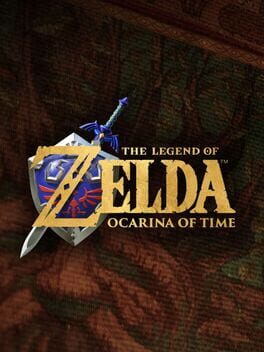
The legend of Zelda: Ocarina of Time remains a cornerstone of gaming history, a title that not only defined the 3D action‑adventure genre on the Nintendo 64 but also set a benchmark for narrative design and player immersion. Two decades after its original release, Nintendo has announced a full‑scale port for the forthcoming Switch 2, positioning the classic as a flagship showcase for the next‑generation handheld‑console hybrid. This move arrives at a moment when the industry is witnessing a resurgence of legacy titles, with publishers repackaging beloved franchises to capitalize on both nostalgia and the expanding install base of modern hardware.
Beyond the digital offering, the company has paired the launch with a physical collector's incentive: an N64‑style slipcover that replicates the iconic original box art. In Canada, EB Games has secured an exclusive rights deal, turning the pre‑order into a limited‑edition event that taps into the fervent collector community. Such tactile bonuses are increasingly rare in a market dominated by digital downloads, yet they serve as a strategic differentiator, encouraging brick‑and‑mortar traffic and reinforcing Nintendo’s reputation for delivering premium, nostalgia‑driven experiences.
What Happened?
Pre‑orders for the Ocarina of Time Switch 2 opened simultaneously on Nintendo’s official website, the eShop, and a curated list of global retailers. The announcement highlighted that the port will retain the core gameplay while benefiting from the Switch 2’s upgraded GPU and faster SSD, promising smoother frame rates and crisper textures without altering the timeless level design. Developers emphasized a “preserve‑first” philosophy, stating that the goal is to deliver the same emotional beats that defined the original, now enhanced by modern hardware stability.
In Canada, EB Games announced an exclusive bundle that includes a replica N64 slipcover fashioned from high‑quality cardboard, complete with the original game’s logo and artwork. The packaging is limited to a specific production run, and the retailer has positioned it as a must‑have for completists, leveraging the scarcity factor to drive early sales. This physical add‑on is not merely decorative; it represents a deliberate effort by Nintendo and its partner to re‑ignite the collector market that once thrived on limited‑edition releases in the early 2000s.
Analysis
The commercial impact of this launch can be measured against recent Switch remasters such as Skyward Sword HD and the ever‑popular Mario Kart 8 Deluxe, both of which have demonstrated that legacy titles can sustain long‑term revenue streams when paired with hardware upgrades. By bundling a nostalgic physical artifact with the digital product, Nintendo is likely to capture a higher average order value, especially among older fans who possess disposable income and a desire to own a piece of gaming history. Moreover, the exclusive Canadian deal may stimulate cross‑border demand, as collectors often seek out region‑locked items, potentially boosting import sales and secondary market activity.
From a competitive standpoint, Nintendo’s strategy contrasts sharply with Sony’s focus on next‑gen exclusives and Microsoft’s subscription‑first approach via Game Pass. While Sony pours resources into high‑budget, original IPs, Nintendo leans on its deep catalog to fill the Switch 2’s launch window, mitigating risk by relying on proven titles. Technically, the port presents challenges typical of emulation on newer silicon, such as preserving timing fidelity and ensuring that the iconic audio cues remain intact. Successfully navigating these hurdles will reinforce Nintendo’s reputation for delivering polished retro experiences, a capability that could be leveraged for future ports of other seminal games.
XPLog Opinion
XPLog views the Ocarina of Time Switch 2 pre‑order as a masterstroke of brand stewardship: Nintendo is reminding the world why its franchises matter while simultaneously using physical exclusives to drive foot traffic in an increasingly digital retail landscape. However, the reliance on nostalgia must be balanced with genuine innovation; without fresh gameplay experiences, the company risks being pigeonholed as a nostalgia machine rather than a forward‑looking creator.
Final Thoughts
In summary, the Ocarina of Time Switch 2 pre‑order not only revives a seminal title for a new generation but also showcases Nintendo’s nuanced approach to market segmentation, collector incentives, and hardware promotion. Players should watch for the official launch window slated for late 2026, as well as any follow‑up announcements regarding additional legacy ports that could further define the Switch 2’s early library.