.png)
Overview
In the volatile ecosystem of independent game development, the line between creative triumph and financial peril has grown ever thinner. Studios that once thrived on modest budgets and passionate niche audiences now find themselves navigating a market dominated by mega‑publishers, aggressive subscription models, and a funding landscape that rewards immediate returns over long‑term artistic ambition. KO_OP, the London‑based outfit behind the critically lauded narrative adventure Goodbye Volcano High and the whimsical puzzle title GNOG, epitomises this paradox: a studio praised for its distinctive aesthetic and storytelling, yet perpetually dependent on external financing and platform deals to sustain its operations.
The past few years have witnessed a cascade of workforce reductions across the industry, from legacy developers shedding legacy code teams to fledgling studios trimming back after under‑performing launches. The COVID‑19 pandemic initially injected a surge of capital into the sector, as investors chased the booming demand for home entertainment. However, as the market normalised and consumer spending shifted toward established franchises, the tide turned, leaving many independent houses scrambling to justify their burn rates. KO_OP’s latest layoff announcement arrives against this backdrop, offering a stark illustration of how even studios with a pedigree of award‑winning releases are not immune to the tightening purse strings of the post‑pandemic era.
What Happened?
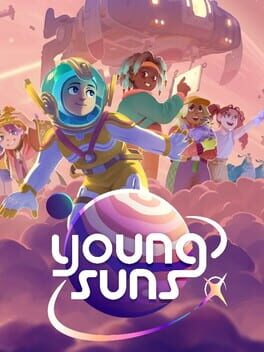
On Tuesday, KO_OP disclosed that thirteen members of its development team would be departing the company, a move announced just under two weeks after the launch of their newest title, Young Suns. The statement, released on the studio’s official channels, was notable for its candour: it outlined the specific roles affected, the timeline for severance, and the emotional weight of saying goodbye to colleagues who had helped shape the studio’s identity. While the tone was measured, the underlying message was unmistakable—despite the creative momentum behind Young Suns, the commercial realities forced a rapid contraction of staff to preserve the studio’s financial viability.
KO_OP’s communication also hinted at the broader strategic recalibration the studio faces. With the bulk of its workforce now reduced, the remaining team will concentrate on post‑launch support for Young Suns, including bug fixes, community engagement, and the promised roadmap of additional content. The studio did not disclose exact sales figures, but industry observers note that early sales data for the title fell short of the optimistic projections that had underpinned its development budget. Consequently, the layoffs are being interpreted as a defensive measure to prevent a deeper cash‑flow crisis that could jeopardise KO_OP’s future projects, including any potential sequel or expansion to its beloved IPs.
Analysis
The decision to downsize so soon after a launch underscores a growing trend where indie studios are increasingly beholden to immediate revenue streams rather than the traditional long‑tail model. In the past, a modestly successful launch could sustain a studio for years, allowing time to iterate, expand, or even pivot to new concepts. Today, however, the dominance of subscription services and the pressure to meet quarterly performance metrics mean that a single under‑performing title can trigger swift cost‑cutting actions. KO_OP’s predicament reflects the broader risk of “launch‑or‑die” economics that have begun to replace the more forgiving, community‑driven funding approaches of the early 2010s.
From a platform perspective, KO_OP’s challenges are compounded by the competitive dynamics of the console ecosystem. While the studio’s games have historically found homes on PlayStation, Xbox, and Nintendo Switch, the escalating demands for exclusivity deals and the rise of cloud‑gaming bundles have shifted bargaining power toward the platform holders. Smaller developers now must negotiate not only for visibility but also for favourable revenue splits that can make the difference between a sustainable operation and a forced layoff. The KO_OP episode serves as a cautionary tale for other indie studios eyeing multi‑platform releases without a clear, diversified monetisation strategy.
XPLog Opinion
At XPLog UK, we view KO_OP’s transparent yet sobering announcement as both a lamentable symptom and a potential catalyst for industry reform. The studio’s willingness to openly discuss the human cost of its financial decisions sets a higher standard for communication, yet it also highlights the urgent need for more resilient funding models—such as staggered investment, community‑backed royalties, or platform‑level safety nets—that can absorb the inevitable fluctuations of launch performance. Without systemic change, the cycle of brilliant indie creations followed by abrupt staff reductions will continue to erode the talent pool that fuels innovation in gaming.
Final Thoughts
KO_OP’s recent layoffs mark a pivotal moment for the studio and for the broader indie landscape, signalling that even critically acclaimed creators must now contend with an unforgiving commercial climate. As the industry watches how the remaining team steers Young Suns through its post‑launch phase, stakeholders should keep an eye on upcoming fiscal reports from platform holders and any policy shifts regarding indie funding support. The next quarter will reveal whether KO_OP can stabilise its operations or if further consolidation will be inevitable—a narrative that will undoubtedly echo across the indie sector for years to come.