.png)
Overview
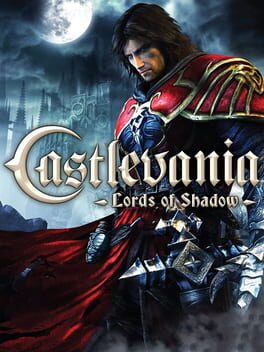
Spanish development house MercurySteam has become synonymous with Nintendo’s recent resurgence in the Metroid franchise, having delivered the critically acclaimed Metroid Dread that finally closed the narrative loop started over two decades ago. The studio, which cut its teeth on titles such as Castlevania: Lords of Shadow and the ambitious yet uneven Metroid: Samus Returns, built a reputation for marrying classic 2‑D design sensibilities with modern polish, a formula that resonated deeply with both nostalgic veterans and a new generation of platform‑action enthusiasts. Their involvement in the latest Nintendo Direct—where a tantalising teaser for a project dubbed “Metroid Ravenous” stole the spotlight—marks a continuation of a partnership that has revitalised a cornerstone of Nintendo’s portfolio after years of dormancy.
Beyond the immediate fanfare, the announcement arrives at a pivotal moment for the broader industry. The current console generation is seeing a resurgence of high‑stakes, narrative‑driven releases that blur the lines between indie craftsmanship and AAA production values, while Nintendo itself leans heavily on its legacy properties to sustain momentum in a market dominated by expansive live‑service ecosystems. As streaming services and cross‑platform play reshape player expectations, a new Metroid entry—especially one promising a “ravenous” escalation of the series’ core mechanics—could serve as a litmus test for whether classic, tightly‑focused design can still command premium shelf space and subscriber attention.
What Happened?
During yesterday’s Nintendo Direct, a cryptic silhouette accompanied by the word “Ravenous” flickered across the screen, prompting a frenzy of speculation across forums and social media. Within hours, MercurySteam’s official channels posted a confirmation that the studio is indeed developing the project, effectively pulling the veil back on what had previously been a tantalising rumor. The statement, though succinct, emphasized that the team is “building upon the foundations laid by Dread” and hinted at a “next‑level evolution” of Samus’s capabilities, suggesting a blend of familiar exploration with fresh, perhaps more aggressive, gameplay loops.
While concrete details remain scarce, industry insiders have reported that the development roadmap targets a launch window sometime in the 2025 fiscal year, aligning with Nintendo’s strategic push to refresh its flagship lineup before the next hardware iteration. Moreover, the teaser’s visual language—darkened corridors, a heightened sense of urgency, and a more feral Samus silhouette—implies a tonal shift toward a grittier, more survival‑instinct driven narrative, possibly integrating mechanics such as resource scarcity or adaptive AI that respond to player aggression, a departure from the methodical pacing of Dread.
Analysis
From a market perspective, Metroid Ravenous could represent Nintendo’s calculated effort to diversify its flagship portfolio beyond the soft‑core appeal of Mario and the open‑world ambitions of Zelda. By entrusting MercurySteam—a studio that has demonstrated the capacity to deliver a critically lauded Metroid experience within a constrained development budget—Nintendo can mitigate the financial risk associated with a full‑blown AAA production while still promising a headline‑grabbing title. This approach mirrors the successful formula employed for the recent Metroid Prime Remastered, where a focused investment yielded both commercial success and revitalized brand equity.
Technically, the ambition hinted at by the “Ravenous” moniker may demand significant upgrades to the series’ engine, potentially integrating real‑time ray tracing or adaptive difficulty systems that have become standard in contemporary action games. Such enhancements could raise the bar for 2‑D action on the Switch, compelling competitor platforms to reconsider their own legacy franchises. However, the push for higher fidelity must be balanced against the hardware constraints of the current console, a challenge that could dictate whether the final product leans more toward a stylised aesthetic or a near‑photorealistic overhaul.
XPLog Opinion
At XPLog UK we view Metroid Ravenous as a pivotal litmus test for Nintendo’s ability to leverage its heritage properties in a market increasingly dominated by live‑service models; if MercurySteam can deliver a title that feels both urgently fresh and faithfully rooted in the series’ DNA, it will reaffirm that tightly‑crafted, narrative‑centric experiences still hold commercial sway, and it will likely spark a broader industry reassessment of the value of legacy franchises as premium, single‑player experiences.
Final Thoughts
In sum, the confirmation of Metroid Ravenous not only fills a lingering gap left by the Direct’s enigmatic teaser but also signals a strategic inflection point for Nintendo and its partners. As the development timeline unfolds, keeping an eye on upcoming Nintendo Directs, developer diaries, and the evolving hardware discussion will be essential for gauging how this ambitious entry will reshape the Metroid canon and influence the competitive dynamics of next‑generation console gaming.