.png)
Overview
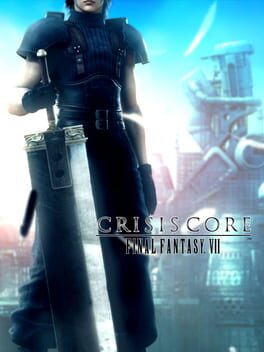
Square Enix’s long‑running campaign to rejuvenate the iconic Final Fantasy VII franchise has reached a new milestone with the surprise announcement of Crisis Core – Final Fantasy VII Reunion on Nintendo’s forthcoming Switch 2 console. The original Crisis Core, released in 2007 for the PlayStation 2, served as a prequel that introduced players to Zack Fair, the charismatic SOLDIER whose fate intertwines with Cloud Strife’s. Over the past decade, the brand has been methodically rebuilt through high‑profile releases such as the 2020 remake of FFVII, the mobile spin‑off FFVII the First, and the recent “Final Fantasy VII Revelation” narrative expansion. This latest move, revealed during a Nintendo Direct, positions the remake not merely as a nostalgic cash‑in but as a cornerstone of Nintendo’s next‑generation hardware launch strategy.
The timing is significant: Nintendo is poised to unveil Switch 2, a device that promises upgraded GPU performance, higher frame‑rates, and expanded storage—all features that can finally allow a faithful recreation of the original’s sprawling environments and fast‑paced combat. By securing a premium Square Enix title at launch, Nintendo hopes to attract core gamers who have traditionally gravitated toward PlayStation or Xbox ecosystems for flagship RPG experiences. Meanwhile, Square Enix is leveraging the broader market reach of Nintendo’s massive install base, especially in regions where the Switch dominates sales charts, to extend the lifecycle of the FFVII brand well beyond the console generation.
What Happened?
During the Direct, Nintendo confirmed that Crisis Core – Final Fantasy VII Reunion is now available on the Switch 2 eShop at a launch discount of $34.99 USD, down from its standard $49.99 USD price point. The announcement emphasized that the title has been rebuilt from the ground up using the same engine that powers the FFVII Remake, delivering a visual fidelity that rivals the original PlayStation 4 release while taking advantage of Switch 2’s higher resolution output and smoother 60 fps target. Nintendo’s press release highlighted the inclusion of a “dual‑sense‑style” haptic feedback system, redesigned UI elements for handheld mode, and a suite of quality‑of‑life upgrades such as fast‑travel, auto‑save checkpoints, and expanded character bios.
Crucially, Square Enix clarified that there is no upgrade path for owners of the original 2022 Switch version of Reunion; those players will need to purchase the new Switch 2 edition at full price if they wish to experience the enhancements. The company framed this decision as a “platform‑specific optimization” rather than a price‑gouging strategy, noting that the Switch 2 build contains assets and code that cannot be retrofitted onto the legacy hardware without compromising performance. While this stance has sparked a modest outcry among existing owners, the discount and the promise of a truly next‑gen experience appear designed to sway both new adopters and veterans who have been waiting for a definitive version of Zack’s story.
Analysis
The release of Crisis Core on Switch 2 signals a nuanced shift in the competitive dynamics of the RPG market. Historically, Square Enix has aligned its flagship titles with Sony’s hardware, leveraging PlayStation’s technical superiority to showcase cutting‑edge graphics and narrative depth. By committing a flagship prequel to Nintendo’s ecosystem, Square Enix acknowledges the Switch’s unprecedented penetration in the casual‑core segment and its growing acceptance among hardcore audiences. This move could force Sony to double‑down on exclusive content or accelerate its own cross‑platform strategies, especially as Microsoft’s Xbox Game Pass continues to erode traditional console loyalty.
From a financial perspective, the discounted launch price may appear to cannibalize short‑term revenue, yet the broader strategy likely hinges on long‑tail sales and ancillary monetisation. The absence of an upgrade path creates a forced repurchase funnel, effectively turning existing Switch owners into a new revenue stream while simultaneously encouraging hardware upgrades. Moreover, the timing aligns with Nintendo’s anticipated Q4 fiscal reporting, where a strong launch title can buoy Switch 2’s early adoption metrics, driving higher eShop traffic and increasing the likelihood of bundled sales—an essential factor for Nintendo’s historically thin hardware margins.
XPLog Opinion
At XPLog UK we view the Switch 2 launch of Crisis Core – Final Fantasy VII Reunion as a bold, if slightly contentious, bet that could redefine the franchise’s distribution model. The decision to forego an upgrade path may alienate a loyal segment of the community, but it also underscores Square Enix’s confidence that the next‑gen experience justifies a fresh purchase. In the long run, this approach could set a precedent for how legacy RPGs are re‑imagined across multiple hardware generations, forcing developers to weigh the cost of true platform‑specific optimisation against the goodwill of existing owners. If Nintendo can deliver a seamless handheld‑to‑dock experience that rivals the graphical fidelity of current‑gen consoles, the partnership may usher in a new era where the Switch family becomes a legitimate home for high‑budget, story‑driven titles.
Final Thoughts
Ultimately, Crisis Core – Final Fantasy VII Reunion’s arrival on Switch 2 is more than a nostalgic re‑release; it is a strategic linchpin that could influence console market share, shape Square Enix’s cross‑platform roadmap, and set player expectations for how legacy franchises are revitalised. Gamers should keep an eye on the official launch window slated for late 2026, the forthcoming post‑launch patches promised by Square Enix, and the broader ecosystem announcements that will reveal whether Nintendo can sustain its momentum with a steady stream of premium, next‑gen RPGs.