.png)
Overview
Capcom’s Monster Hunter franchise has been a cornerstone of Nintendo’s third‑party portfolio since the launch of Monster Hunter 3 on the Wii, and its evolution has often mirrored the shifting tides of the console market. The recent Nintendo Direct, which placed a premium on next‑generation hardware, served as the perfect stage for Capcom to announce that Monster Hunter Wilds will make its debut on the newly unveiled Switch 2 this December. This move is not merely a platform migration; it signals a strategic alignment with Nintendo’s renewed focus on hybrid performance, higher fidelity, and a more robust online infrastructure that the original Switch struggled to provide.
Beyond the hardware upgrade, the announcement arrives at a moment when cross‑platform play has become a litmus test for a game’s longevity and community health. Titles such as Fortnite, Rocket League, and Apex Legends have set a precedent that players now expect, especially for live‑service experiences that thrive on a constantly refreshed player pool. By promising “full cross‑platform play,” Capcom is positioning Wilds to compete directly with these juggernauts, while also attempting to recapture the social dynamism that made early Monster Hunter sessions a cultural phenomenon among core gamers.
What Happened?
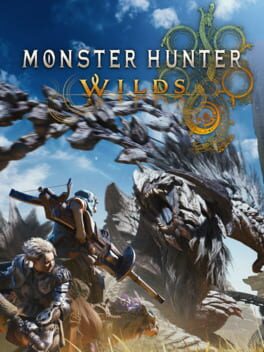
The headline from the Direct was unmistakable: Monster Hunter Wilds will launch on Switch 2 on 4 December 2026, bundled with every title update released to date. Capcom also unveiled a limited‑edition Game‑Key Card that grants early access to a prologue demo, a nod to the collector‑driven marketing that has long resonated with the series’ fanbase. This approach mirrors the company’s previous tactics with titles like Resident Evil 4 Remake, where physical accessories were leveraged to generate buzz and pre‑order momentum ahead of a major release.
In addition to the demo, Capcom confirmed that Switch 2 hunters will be able to team up locally with up to four players, a feature that harkens back to the couch‑co‑op roots of Monster Hunter’s early days on handhelds. More importantly, the studio pledged “full cross‑platform play,” meaning Switch 2 users will share a unified matchmaking pool with PlayStation, Xbox, and PC hunters. A senior producer from Capcom, speaking on the Direct, emphasized that the architecture has been rebuilt from the ground up to support seamless cross‑play, eliminating the latency and synchronization issues that plagued earlier attempts at cross‑generation connectivity.
Analysis
The decision to launch Wilds on Switch 2 with an all‑updates‑included package is a clear attempt to lower the barrier to entry for newcomers while rewarding long‑time fans who may have missed previous expansions. From a market perspective, this strategy aligns with the broader industry trend of “live‑service bundles” that aim to keep churn low and ARPU (average revenue per user) high. By integrating the full update slate, Capcom reduces fragmentation—a problem that has historically hampered community cohesion in multiplayer‑heavy franchises.
Cross‑platform integration, however, introduces a set of technical and business challenges that could shape the title’s trajectory. The Switch 2’s upgraded network stack is expected to handle higher bandwidth and more sophisticated matchmaking algorithms, but ensuring parity across disparate hardware ecosystems will demand rigorous QA and possibly compromise on graphical fidelity for the handheld mode. Moreover, revenue sharing agreements with Sony, Microsoft, and Steam will need to be renegotiated, a process that could affect DLC pricing and post‑launch monetisation models. If Capcom navigates these hurdles successfully, Wilds could become a benchmark for future third‑party cross‑play initiatives on Nintendo hardware.
XPLog Opinion
From XPLog’s standpoint, Monster Hunter Wilds on Switch 2 represents a watershed moment for both Capcom and Nintendo: it is the first time a flagship third‑party title has been granted unfettered cross‑play across all major ecosystems on a Nintendo platform, and it signals that Nintendo is finally willing to cede a degree of ecosystem control in favour of player‑centric connectivity. This bold step could rejuvenate the Monster Hunter community, attract a wave of new hunters from rival platforms, and cement Switch 2’s reputation as a viable hub for serious multiplayer experiences—something the original Switch could only hint at.
Final Thoughts
In sum, the December 4 launch of Monster Hunter Wilds on Switch 2 is poised to redefine the series’ social fabric, expand its market reach, and test the limits of cross‑platform harmony in a traditionally closed ecosystem. Players should keep an eye on the upcoming Game‑Key Card pre‑order window, the prologue demo release schedule, and any post‑launch patch notes that address cross‑play stability, as these will be the early indicators of whether Capcom’s ambitious vision translates into sustained community growth.