.png)
Sponsored
Overview
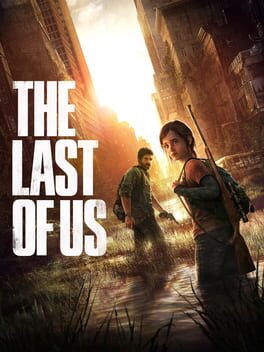
The third installment of the Twisted Metal television adaptation has officially concluded principal photography, a milestone confirmed by cinematographer Spencer Combs on his Instagram feed. While the announcement may appear as a routine production update, it arrives at a pivotal moment for Sony Interactive Entertainment, which has been aggressively expanding its narrative portfolio beyond interactive media into premium streaming content. The franchise, born in 1995 as a gritty, vehicular combat series for the original PlayStation, has long been a cultural touchstone for core gamers, and its migration to live‑action television represents both a nostalgic homage and a strategic bid to capture a broader audience on platforms like PlayStation 5’s streaming service and third‑party OTT providers.\n\nThe timing of the wrap aligns with Sony’s broader “PlayStation Studios” initiative, launched in 2022, which seeks to unify its first‑party development under a single publishing banner while simultaneously launching original series such as "The Last of Us" and "God of War". Twisted Metal’s continued renewal—now heading into a third season—signals that Sony’s gamble on translating its iconic IPs into episodic narratives is yielding sufficient confidence to invest further, despite the mixed critical reception that greeted the inaugural season. Industry analysts are watching closely, as the series’ performance could influence the scale and cadence of future adaptations, potentially reshaping the console manufacturer’s content pipeline for years to come.\nWhat Happened?
Spencer Combs, who handled the series’ visual language from its inception, posted a behind‑the‑scenes montage that confirmed the crew had wrapped filming across multiple locations, including a purpose‑built desert set in California and a series of indoor sound stages in Vancouver. The post hinted at a heightened production budget, noting the inclusion of practical effects rigs and a larger ensemble cast, suggesting that the creative team is intent on scaling the spectacle to match the high‑octane chaos that defined the original games. In a brief statement accompanying the post, Combs praised the collaborative synergy between the showrunners and Sony’s in‑house narrative team, emphasizing a shared vision to honor the franchise’s legacy while pushing the medium forward with more sophisticated stunt choreography and deeper character arcs.\n\nAccording to insiders who spoke on condition of anonymity, the third season will also integrate narrative threads that tie directly into upcoming PlayStation 5 titles, effectively creating a transmedia storyline that blurs the line between game and television. This approach mirrors the cross‑promotional tactics employed by other major publishers, such as Microsoft’s integration of “Halo” lore across games, novels, and the recent Paramount+ series. The developers have reportedly secured a multi‑year distribution deal that ensures the series will debut simultaneously on PlayStation’s own streaming platform and on a major global OTT service, a move designed to maximize audience reach while retaining the brand’s core fanbase.\n\n
\nAnalysis
From a market perspective, the continuation of Twisted Metal into a third season underscores Sony’s confidence in the “games‑to‑screen” pipeline as a revenue‑generating adjunct to its traditional hardware and software sales. The series occupies a niche that sits between pure fan service and mainstream appeal; its success could validate the economics of high‑budget adaptations that do not rely on the blockbuster budgets of Marvel or Star Wars, but instead leverage built‑in fan loyalty and cross‑sell opportunities within the PlayStation ecosystem. Moreover, the decision to align the show’s narrative with forthcoming game releases hints at an emerging strategy where episodic content functions as a pre‑launch marketing engine, driving pre‑orders and engagement metrics in a way that traditional trailers cannot. Competitors such as Xbox Game Studios have yet to commit to a comparable multi‑season live‑action franchise, giving Sony a potential first‑mover advantage in the console‑centric streaming arena. However, the technical hurdles of maintaining visual fidelity—especially when translating the series’ signature vehicular mayhem into realistic stunt work—remain significant, and any misstep could erode the franchise’s credibility among its most discerning fans.\n\nThe broader industry trend points toward an increasingly symbiotic relationship between interactive entertainment and serialized storytelling, a convergence accelerated by the pandemic‑induced shift toward at‑home consumption. Twisted Metal’s evolution reflects a maturation of this model: early adaptations often suffered from tonal dissonance, but the current season’s production values and narrative ambition suggest a pivot toward cinematic quality that rivals dedicated TV dramas. If Sony can deliver a season that satisfies both hardcore gamers and casual viewers, it will not only reinforce the viability of its IP‑driven content strategy but also set a benchmark for how console manufacturers can leverage their rich libraries to create sustainable, cross‑platform franchises.\n\n
\n