.png)
Overview
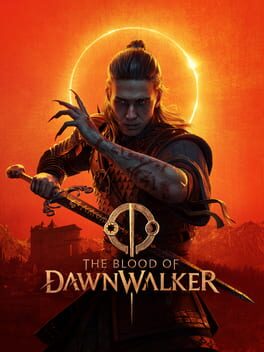
When Rebel Wolves slipped The Blood of Dawnwalker onto digital shelves barely a week ago, the indie vampire RPG market received a fresh infusion of gothic ambition. The title arrived at a moment when players are gravitating toward narrative‑driven experiences that blend old‑world horror with modern mechanics, a trend catalysed by the resurgence of titles like Vampire: The Masquerade – Bloodlines 2 and the steady stream of dark fantasy releases on both PC and next‑gen consoles. Rebel Wolves, a studio that grew out of the UK’s modest modding community, leveraged a lean development budget and a proprietary iteration of Unreal Engine 5 to craft a world where daylight is a myth and every decision ripples through a fragile vampiric society.
What makes the current buzz especially noteworthy is the studio’s premature sprint toward a sequel. Within days of launch, the developers posted a recruitment notice seeking a seasoned narrative writer to flesh out “the next chapter” of the Dawnwalker saga. While it is uncommon for a studio to publicly acknowledge sequel work before a title has proven its commercial legs, this move signals a strategic pivot: Rebel Wolves is attempting to lock in creative continuity, mitigate the notorious “development hell” that haunts many indie follow‑ups, and capitalize on the early hype cycle that has already ignited a passionate Discord community.
What Happened?
In a brief but telling post on their official forums, Rebel Wolves disclosed that they have already begun mapping the sequel’s story beats, character arcs, and potential branching pathways. The studio’s lead designer, Maya Hartwell, emphasized that the sequel will not merely be a “more of the same” expansion but an evolution that pushes the vampiric mythos into unexplored territories—namely, the political intrigue of ancient covens and the emergence of a rival bloodline that threatens to upend the fragile equilibrium established in the first game. The recruitment ad specifically calls for a writer versed in gothic literature, capable of weaving player agency into a narrative that feels both intimate and epic.
Beyond the narrative scaffolding, Rebel Wolves hinted at several technical and design ambitions. The sequel is slated for a simultaneous multi‑platform launch on PC, PlayStation 5, and Xbox Series X|S, leveraging the scalability of their current engine to introduce larger, more dynamic environments and a refined combat system that integrates blood‑magic mechanics. Early‑access funding is also on the table, a model that has proved effective for titles such as Hades and Disco Elysium, allowing the studio to iterate based on community feedback while maintaining a sustainable cash flow.
Analysis
From a market perspective, Rebel Wolves is positioning itself at the intersection of two lucrative currents: the appetite for story‑heavy indie RPGs and the evergreen fascination with vampire lore. By committing to a sequel before the first game’s sales data solidifies, the studio is betting on a “first‑move advantage” that could lock in a dedicated fanbase before larger publishers release competing titles. However, this gamble also amplifies risk; should the initial launch falter, the sequel’s development could be forced into a costly pivot or, worse, cancellation—an outcome that has befallen many indie sequels in the past decade.
Technical hurdles loom as well. Scaling from a modestly sized world to the expansive, covenant‑driven map envisioned for the sequel will demand significant engine optimisation, especially to maintain 60 fps performance on console hardware while rendering the atmospheric lighting that defines the series’ aesthetic. Moreover, integrating deeper player choice systems without inflating the narrative workload will test the new writer’s ability to craft modular story assets that can be reused across divergent playthroughs—a challenge that, if surmounted, could set a new benchmark for narrative flexibility in indie RPGs.
XPLog Opinion
At XPLog UK we view Rebel Wolves’ early sequel push as a bold declaration of intent that could reshape the indie vampire niche; if the studio can deliver on its promise of richer world‑building and polished mechanics, it will not only cement its reputation but also pressure larger studios to raise the narrative bar across the genre. Nonetheless, the path ahead is fraught with the classic indie perils of resource constraints and market volatility, meaning that sustained community engagement and transparent development milestones will be essential to transform early enthusiasm into long‑term commercial success.
Final Thoughts
In the coming months, keep an eye on Rebel Wolves’ official channels for a concrete development roadmap, a potential teaser trailer, and the opening date for the writer recruitment drive—milestones that will serve as reliable barometers of the sequel’s viability. Should the studio navigate its technical and narrative challenges adeptly, the next Blood of Dawnwalker could emerge as a landmark entry that defines the next wave of immersive, story‑driven vampire RPGs.