.png)
Overview
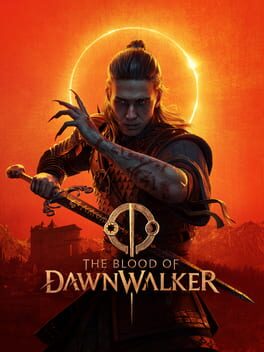
When Rebel Wolves first unveiled The Blood of Dawnwalker, the studio’s proclamation that the title would serve as the launchpad for an entire franchise rang like a bold manifesto in a market increasingly dominated by established IPs. At the time, the promise felt almost audacious; a mid‑size developer daring to commit to multi‑title world‑building in an era where many studios hedge their bets on single‑project releases. Yet the announcement arrived amid a broader industry shift: publishers are actively courting indie studios with lucrative publishing deals, and platform holders are rewarding long‑term engagement through subscription services and seasonal content pipelines.
Fast‑forward to the present, and Dawnwalker’s debut has not only met critical expectations but also generated a wave of healthy launch sales that have prompted the studio to move from aspiration to execution. The timing aligns with a resurgence of narrative‑driven action RPGs, a genre that has seen both blockbuster titles and niche gems thrive on next‑gen consoles and PC. As the console wars settle into a phase of ecosystem consolidation, a new franchise from Rebel Wolves could become a keystone for both PlayStation and Xbox, offering a fresh alternative to the dominant fantasy sagas that currently dominate their libraries.
What Happened?
In a recent press briefing streamed to a global audience, Rebel Wolves confirmed that development on the sequel is already underway, with a dedicated team expanding from the original core group to include additional narrative designers, combat engineers, and live‑service architects. The studio emphasized that the sequel will build upon the mythos established in the first game, deepening the lore of the Dawnwalker world while introducing a more modular progression system designed to support post‑launch content drops. While the exact release window remains unannounced, the developers hinted at a “late‑cycle 2025” target, positioning the sequel to capitalize on the tail end of the current console generation’s lifespan.
Accompanying the announcement, Rebel Wolves’ publisher disclosed a strategic partnership with a major platform holder to secure exclusive marketing support and integration with a subscription service that promises to surface the franchise to a broader, discovery‑hungry audience. The partnership also includes a co‑development grant aimed at enhancing the game’s technical fidelity, particularly in next‑gen lighting and AI‑driven enemy behavior. By leveraging these resources, Rebel Wolves aims to deliver a sequel that not only expands the narrative but also sets a new benchmark for performance and scalability within the indie‑to‑AAA hybrid space.
Analysis
The decision to commit to a franchise at this juncture reflects a calculated risk that aligns with several macro‑level industry currents. First, the market has demonstrated a willingness to invest in long‑term IPs that can generate recurring revenue through expansions, cosmetics, and seasonal events—a model proven by titles like Destiny and Elden Ring. By establishing a sequel pipeline early, Rebel Wolves positions itself to tap into this evergreen revenue stream, reducing reliance on single‑sale spikes and fostering a loyal community that can be nurtured over multiple years.
Second, the competitive landscape among console manufacturers is increasingly focused on exclusive or timed‑window content that can differentiate their ecosystems. Should the Dawnwalker franchise secure a marquee slot on a subscription platform, it could become a strategic asset for the host console, driving subscriber growth and retention. Moreover, the technical enhancements promised by the co‑development grant signal an ambition to compete not just narratively but also technologically, potentially raising the bar for indie studios aiming to deliver next‑gen experiences without the deep pockets of traditional AAA publishers.
XPLog Opinion
From XPLog’s perspective, Rebel Wolves’ franchise ambition is a litmus test for the evolving power dynamics between independent creators and the platforms that amplify them. The studio’s willingness to double down on a world that has only just proven its market viability suggests a confidence that the Dawnwalker universe can evolve into a cornerstone of modern fantasy gaming—one that offers both deep lore and flexible, service‑oriented design. If executed with the same polish and narrative gravitas that defined the first entry, the sequel could redefine how mid‑scale studios approach franchise building, proving that you don’t need a legacy publisher to craft a lasting, multi‑title saga.
Final Thoughts
In sum, the Dawnwalker sequel represents more than a simple follow‑up; it is a strategic declaration that Rebel Wolves intends to carve out a lasting niche in a crowded marketplace. As the development timeline unfolds, industry watchers should keep an eye on milestone showcases slated for early 2025, the integration roadmap with the partnering platform’s subscription service, and community sentiment as the studio begins to roll out its first wave of post‑launch content. The success of this venture could reshape expectations for indie‑driven franchises and signal a new era where narrative ambition meets sustainable, service‑focused business models.