.png)
Overview
The September 2026 Nintendo Direct arrived with the fanfare of a post‑anniversary showcase, following the emotionally resonant celebration of Zelda’s 40th year. While the Zelda event reminded the world of Nintendo’s storytelling pedigree, this latest Direct signalled a calculated shift from pure nostalgia toward a forward‑looking agenda that blends hardware evolution, software pipelines, and an increasingly service‑oriented ecosystem. The timing is no accident: it lands squarely in the middle of a fiscal quarter that historically drives investor confidence, and it aims to re‑energise a player base that has been split between long‑term loyalists and newcomers drawn in by the streaming‑friendly nature of modern consoles.
Beyond the immediate excitement, the Direct must be read against a backdrop of fierce competition from Sony’s PlayStation 7 and Microsoft’s Xbox Series X2, both of which have doubled down on high‑fidelity cloud gaming and subscription bundles. Nintendo, traditionally the outlier with its emphasis on innovative gameplay over raw horsepower, now faces pressure to justify its relevance in a market where “games as a service” dominate revenue streams. The Direct therefore serves as a litmus test for how the company intends to balance its heritage of accessible, family‑friendly experiences with the commercial realities of recurring monetisation, cross‑platform play, and a supply‑chain still recovering from the post‑pandemic component crunch.
What Happened?
The hour‑long broadcast unveiled a refreshed iteration of the Switch platform, tentatively dubbed the “Switch Pro.” While Nintendo stopped short of declaring a full generational leap, the new model boasts a brighter OLED panel, a more efficient Nvidia‑based processor, and an expanded battery that promises up to nine hours of continuous play. In addition, the hardware will support a refined dock that includes a USB‑C hub, HDMI 2.1 output, and native support for the upcoming Nintendo Online + Premium tier, signalling an intent to bridge the gap between handheld flexibility and living‑room power. The announcement was punctuated by a teaser trailer for a brand‑new entry in the “Mario” franchise, promising an open‑world adventure that leverages the upgraded GPU to deliver richer environments without abandoning the series’ hallmark platforming charm.
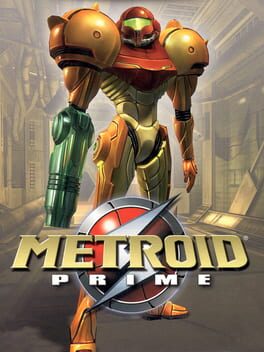
Equally significant was the slate of software commitments that spanned both first‑party and third‑party titles. Nintendo confirmed the continued development of “Metroid Prime 4,” now positioned as a launch‑window exclusive for the Switch Pro, and revealed a collaborative indie showcase highlighting titles that will make use of the new “Dynamic Touch” API—a tool designed to blend motion controls with haptic feedback on both handheld and docked modes. Statements from developers underscored a renewed focus on cross‑generation support, with several major publishers pledging to bring their flagship franchises to the platform in 2027, a move that could alleviate the historic perception of Nintendo as a “closed” ecosystem.
Analysis
From a market perspective, the Switch Pro represents Nintendo’s most ambitious hardware refinement since the original Switch launch in 2017. By opting for an incremental upgrade rather than a disruptive redesign, Nintendo mitigates the risk of alienating its existing install base while still offering a compelling reason for early adopters to invest. This approach mirrors Sony’s “Pro” strategy with the PlayStation 5 Slim, where modest performance gains are paired with a refreshed aesthetic to sustain sales momentum without cannibalising the flagship’s market share. However, the real test will be whether the modest GPU uplift can support the increasingly demanding third‑party pipelines that dominate console revenue, especially as studios push for ray‑tracing and higher frame‑rates across the board.
On the software side, Nintendo’s emphasis on “Dynamic Touch” and expanded online services hints at a strategic pivot toward the recurring‑revenue model that has become the industry norm. The integration of a premium subscription tier, coupled with a more robust online infrastructure, could unlock new monetisation avenues such as seasonal content passes and cloud‑based multiplayer hubs. Yet, these ambitions are not without hurdles: Nintendo must navigate a legacy of fragmented online experiences, address latency concerns that have plagued its earlier services, and convince a player base accustomed to one‑off purchases that a subscription model can deliver tangible value. Supply‑chain resilience will also be crucial, as the new hardware’s higher‑end components could be subject to the same semiconductor shortages that have delayed launches across the sector.
XPLog Opinion
At XPLog, we view the September Direct as Nintendo’s most decisive moment in a decade: the company is finally aligning its legendary design philosophy with the economic imperatives of a service‑driven market. The Switch Pro, while not a radical overhaul, is a pragmatic step that acknowledges the need for visual fidelity without abandoning the hybrid form factor that set Nintendo apart. The real gamble lies in the success of the new online ecosystem; if Nintendo can deliver a seamless, content‑rich experience that rivals PlayStation Plus and Xbox Game Pass, it will secure a sustainable revenue stream that supports its creative ambitions for years to come.
Final Thoughts
In sum, the September 2026 Direct positions Nintendo at a crossroads where heritage meets modernization. The hardware refresh, coupled with a broadened software roadmap and a clear push toward subscription services, suggests a company ready to evolve without losing its core identity. Players and investors alike should keep an eye on the upcoming fiscal reports in November, as well as the next scheduled Direct in early 2027, which will likely reveal how these strategic bets translate into concrete sales figures and community sentiment.