.png)
Overview
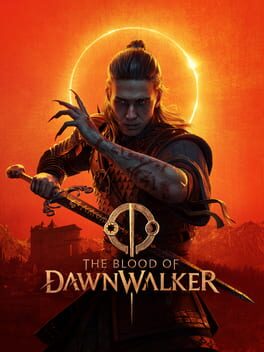
When Rebel Wolves unveiled The Blood of Dawnwalker earlier this year, the announcement resonated like a clarion call for fans of gritty, Witcher‑style dark fantasy. The studio, a spin‑off from the acclaimed CD Projekt Red veterans, positioned the title as a next‑generation open‑world RPG that would marry narrative depth with a visceral combat system, aiming to capture the lucrative niche carved out by titles such as Elden Ring, Diablo IV, and the recent resurgence of story‑driven action‑RPGs on both PC and console platforms. This ambition arrived at a moment when the market is saturated with high‑budget fantasy epics, yet still yearning for fresh mythologies and a more grounded moral palette, making Dawnwalker’s promise of morally ambiguous choices and a living, breathing world a tantalising prospect for core gamers.
However, the launch window proved less than forgiving. Early adopters reported a litany of performance hiccups, from frame‑rate drops on next‑gen hardware to erratic controller input mapping that rendered combat feel disjointed. Moreover, the absence of a New Game+ mode—a staple for replayability in the genre—left many players questioning the game's longevity. Community forums and streaming channels buzzed with both admiration for the game's artistic direction and frustration over its technical rough edges, creating a polarised narrative that threatened to dampen the title’s commercial momentum at a critical sales juncture.
What Happened?
In response to the mounting feedback, Rebel Wolves dispatched a comprehensive hotfix within days of the initial release. The patch, labeled 1.02, targeted the most glaring controller inconsistencies by overhauling the input layer, introducing customizable keybinds, and ensuring full compatibility with both Xbox Series X|S and PlayStation 5 DualSense controllers. Simultaneously, the developers implemented a series of performance optimisations, including a revised rendering pipeline that leverages the latest DirectX 12 Ultimate features, resulting in a measurable uplift of up to 15 % in average frame‑rate on 4K displays. Bug‑related crashes that plagued early saves were also addressed, and a provisional workaround for the missing New Game+ mode was introduced, allowing players to carry over gear and skill progress into a second playthrough pending a future content update.
Beyond the immediate technical remediation, the hotfix announcement was accompanied by a tantalising glimpse into the studio’s broader roadmap. Rebel Wolves’ lead designer, Marta Kovač, hinted at a sequel that would expand the Dawnwalker universe, promising deeper lore integration, a more robust multiplayer component, and a commitment to “first‑time‑right” launches on future hardware iterations. While concrete release windows remain undisclosed, the studio’s declaration that the sequel will be built on a next‑gen‑ready engine signals an intention to avoid the pitfalls that marred the debut, positioning the follow‑up as a potential flagship title for the PlayStation 5 and Xbox Series X ecosystems.
Analysis
The swift deployment of the hotfix underscores a shifting paradigm in AAA publishing, where post‑launch support has become a decisive factor in a game’s long‑term viability. In an era dominated by live‑service models, even single‑player experiences are expected to evolve post‑release, and Rebel Wolves’ proactive stance may mitigate early negative sentiment, preserving its reputation among the discerning core audience that values polish as much as narrative ambition. Competitors such as FromSoftware and Ubisoft have demonstrated that timely patches can resurrect a title’s sales trajectory, and Dawnwalker’s trajectory now hinges on whether the community perceives these fixes as a genuine commitment rather than a stop‑gap.
From a console ecosystem perspective, the controller fixes are particularly salient. The dual‑sense haptic feedback and adaptive trigger capabilities have become differentiators for the PS5, and any misalignment with these features can erode the platform’s unique selling proposition. By aligning Dawnwalker’s input handling across both major consoles, Rebel Wolves not only safeguards its cross‑platform sales potential but also signals to platform holders that it is a reliable partner capable of delivering technically sound experiences—a crucial consideration as console manufacturers increasingly curate exclusive or timed‑exclusive line‑ups to drive hardware adoption.
XPLog Opinion
At XPLog UK, we view the hotfix as a pivotal moment that could redefine Rebel Wolves’ standing in the crowded RPG arena; the studio’s willingness to confront its launch shortcomings head‑on demonstrates a maturity that many newer studios lack, and the promise of a sequel built on hard‑learned lessons offers a compelling narrative for investors and players alike. Yet, the ultimate test will be whether the sequel can deliver a truly seamless launch—something the industry has repeatedly struggled with—and whether the studio can translate its artistic vision into a technically flawless experience that satisfies the exacting standards of the core gaming community.
Final Thoughts
In sum, the Dawnwalker hotfix not only restores faith in a title that could have faded into obscurity but also sets the stage for a sequel that may well become a benchmark for post‑launch responsiveness and cross‑platform excellence. Players should keep an eye on Rebel Wolves’ upcoming developer diaries slated for Q4 2026, where further details on the sequel’s scope, platform partnerships, and potential release window are expected to emerge, offering a clearer picture of how this dark fantasy franchise will evolve in the competitive RPG landscape.