.png)
Overview
The recent surfacing of Steam achievement data for a slate of yet‑unreleased titles has sent ripples through the PC gaming community, underscoring how tightly achievement systems have become intertwined with modern marketing strategies. In an era where digital trophies act as both status symbols for players and measurable engagement metrics for publishers, any premature exposure can reshape hype cycles, alter pre‑order dynamics, and even influence development road‑maps. The leak, sourced from the trophy‑tracking platform Exophase, arrives at a moment when the industry is wrestling with the balance between transparency and secrecy, a tension amplified by the rise of live‑service titles and the relentless churn of content updates.
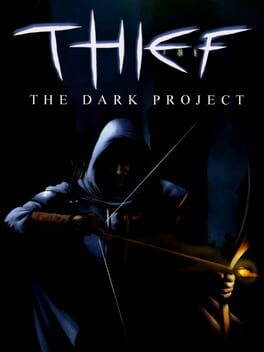
Among the exposed titles are heavyweight franchises such as Atlus’s long‑awaited Persona 6, Microsoft’s upcoming Thief: The Dark Project Remastered, and the ambitious new brawler Stranger Than Heaven. Their presence alongside ambitious newcomers like Control Resonant, Silent Hill: Townfall, and Ace Combat 8: Wings of Theve paints a vivid picture of the diversity of experiences slated for release across the next twelve months. Historically, leaks of this nature have ranged from accidental asset dumps to deliberate data mining, each leaving a distinct imprint on consumer expectations. This particular breach not only reveals the quantity of achievements planned but also hints at the design philosophies—whether developers are leaning toward grind‑heavy collections or curated, narrative‑driven milestones—thereby offering a rare glimpse into the strategic priorities that will shape the forthcoming PC launch calendar.
What Happened?
Earlier this week, Exophase—a third‑party service that aggregates achievement data across multiple platforms—published a comprehensive list of Steam trophies for a dozen games that have yet to see an official announcement or release date. The list includes over a hundred distinct achievements for Persona 6, ranging from classic social‑link milestones to combat‑specific challenges that echo the series’ evolution from turn‑based JRPG to hybrid action‑RPG. Similarly, the remastered classic Thief reveals a set of stealth‑oriented trophies that pay homage to the original’s emphasis on shadows and sound, while the upcoming Stranger Than Heaven showcases a surprisingly high count of combo‑based and narrative‑branching achievements, suggesting a deep integration of player choice into its combat system.
Developers have yet to comment publicly on the breach, but the timing aligns with a broader wave of pre‑launch marketing pushes across the industry. By leaking achievement structures, publishers inadvertently provide a roadmap of in‑game objectives that can be dissected by the community, potentially influencing early‑access feedback loops and community‑driven content creation. For titles still in the polishing phase, such as Control Resonant and Silent Hill: Townfall, the exposure could force studios to recalibrate difficulty curves or re‑balance reward tiers to avoid unintended spoilers or gameplay bottlenecks that might otherwise be discovered post‑launch.
Analysis
The immediate market implication of this leak is a surge in speculative discourse across forums, Twitch streams, and YouTube analyses, which can translate into heightened pre‑order activity for the most recognizable franchises. Achievement data acts as a proxy for content depth; a robust trophy list often signals a richer, more expansive experience, nudging risk‑averse consumers toward early purchase. Conversely, competitors such as Epic Games Store and GOG, which traditionally eschew achievement systems or implement them in a more minimalist fashion, may find themselves at a disadvantage in the eyes of achievement‑hungry core gamers—a demographic that continues to drive a disproportionate share of revenue on Steam.
From a strategic standpoint, the leak highlights persistent vulnerabilities in the data pipelines that feed third‑party aggregators. Historically, similar incidents—most notably the 2018 Skyrim “Special Edition” asset leak and the 2022 GTA VI data dump—have forced publishers to tighten internal security while also leveraging the unintended publicity to sustain interest. For Atlus, whose brand thrives on narrative secrecy and surprise twists, premature revelation of achievement titles could erode the impact of key story moments. Meanwhile, studios behind legacy revivals like Thief risk having their nostalgic appeal diluted if the community fixates on trophy hunting rather than the atmospheric experience that defined the original.
XPLog Opinion
At XPLog UK we view this incident as a double‑edged sword: while the leak undeniably fuels buzz and offers a tantalising preview of upcoming content, it also underscores a growing complacency around data protection in an industry that increasingly monetises player engagement through meta‑systems. Publishers should treat achievement design not merely as an afterthought but as a core component of the player journey, ensuring that any external exposure aligns with a broader narrative strategy rather than undermining it. In the short term, we advise studios to monitor community sentiment closely, adjust achievement difficulty where needed, and consider rolling out official achievement teasers to reclaim the narrative momentum.
Final Thoughts
As the leak continues to ripple through the PC gaming sphere, the next few months will be decisive in determining whether these premature glimpses become a catalyst for heightened anticipation or a cautionary tale of overexposure. Gamers should keep an eye on official communications from Atlus, Microsoft, and the other involved publishers, particularly as major events like E3, Gamescom, and the Steam Next Fest approach, where we expect formal announcements, detailed achievement showcases, and perhaps even corrective measures to mitigate any unintended fallout.