Overview
Rebel Wolves, the veteran studio that earned its reputation with the critically lauded
Witcher 3: Wild Hunt expansion work and later with its own original IPs, has once again thrust itself into the spotlight with the launch of
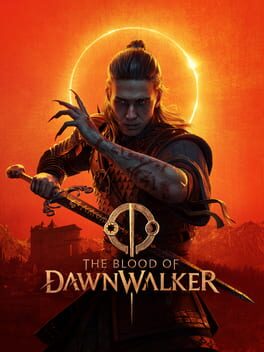
The Blood of Dawnwalker. The title arrives at a moment when the mid‑tier RPG market is saturated with both narrative‑driven experiences and live‑service juggernauts, forcing developers to carve out a niche that balances deep storytelling with the demands of a player‑base accustomed to constant content updates. Dawnwalker, a medieval fantasy action‑RPG that leans heavily on hand‑crafted world‑building and a combat system reminiscent of classic hack‑and‑slash titles, positions itself as a bridge between the single‑player devotion of the Witcher series and the emerging trend of hybrid, community‑driven ecosystems.
What makes Dawnwalker particularly compelling is not just its design pedigree but the demographic fingerprint revealed by early analytics. Roughly 58 % of its players have previously logged hours in
The Witcher 3, while about 40 % of the entire Dawnwalker community is anchored on Steam, the platform that still dominates PC distribution despite the rise of Epic Games Store and console‑centric ecosystems. This overlap suggests a latent audience that craves the gritty, morally ambiguous world‑building that Rebel Wolves perfected years ago, and it also hints at a strategic alignment with the PC market’s appetite for deep, story‑rich RPGs.
What Happened?
During a recent developer livestream, Rebel Wolves disclosed that internal telemetry shows a striking 58 % of Dawnwalker players have also spent considerable time in
The Witcher 3. The studio’s lead designer, Marta Kowalska, emphasized that this figure is not a coincidence; it reflects a deliberate design philosophy that leverages familiar narrative beats, combat mechanics, and world‑exploration tropes that resonated with Witcher fans. Moreover, the team highlighted that the game’s launch on Steam captured roughly 40 % of its total player base, a metric that dwarfs the typical share for a multi‑platform indie‑ish title and underscores Steam’s continued relevance as a discovery hub for narrative‑centric experiences.
Kowalska also revealed that the studio is rolling out a series of post‑launch content patches aimed specifically at the Witcher‑savvy cohort. These patches will introduce “Geralt‑inspired” side quests, deeper alchemy systems, and a set of narrative choices that echo the weighty decision‑making that defined the 2015 masterpiece. By aligning future updates with the expectations of a player segment already familiar with complex moral ladders, Rebel Wolves hopes to cultivate a self‑sustaining community that not only returns for new content but also evangelizes the game across forums, modding sites, and streaming platforms.
Analysis
The 58 % crossover statistic is a data point that reverberates far beyond simple fan overlap; it signals a market segment that remains hungry for the depth that larger studios have largely abandoned in favor of broader‑appeal, live‑service titles. From a revenue perspective, this convergence allows Rebel Wolves to leverage existing marketing channels—Witcher‑focused Discord servers, Reddit communities, and Twitch streams—without incurring the massive spend typically required to educate a cold audience. It also places Dawnwalker in a favorable position against competitors like Cyberpunk 2077’s post‑launch resurgence or the sprawling open‑world ambitions of titles such as Elden Ring. While those games chase scale, Dawnwalker doubles down on narrative fidelity, a strategy that can yield higher player‑lifetime value (LTV) among a dedicated core demographic.
Technically, the shared player base offers Rebel Wolves a unique testing ground for iterative design. By monitoring how Witcher veterans interact with Dawnwalker’s combat loops, the studio can refine hit‑registration, stamina management, and enemy AI to meet the high bar set by CD Projekt Red’s own engine. Furthermore, the Steam‑centric distribution provides robust telemetry tools, enabling granular analysis of player progression, churn points, and feature adoption. This data-driven approach could inform not only Dawnwalker’s roadmap but also future IPs, positioning Rebel Wolves as a studio capable of marrying artisanal gamecraft with the analytics‑backed agility traditionally reserved for larger publishers.
XPLog Opinion
At XPLog UK we view the Dawnwalker‑Witcher overlap as a watershed moment for mid‑scale RPG developers: it proves that deep, narrative‑first experiences still command a lucrative, engaged audience when paired with savvy platform strategy. Rebel Wolves’ decision to double‑down on the Witcher‑flavoured design language, rather than dilute it for mass appeal, is a bold affirmation that the core gamer community values continuity of tone and mechanical sophistication over fleeting novelty. In our assessment, this approach will not only cement Dawnwalker’s standing as a cult classic but also pressure larger studios to reconsider the profitability of niche, story‑rich projects in an era dominated by live‑service monetisation.
Final Thoughts
In sum, the revelation that more than half of Dawnwalker’s players are Witcher alumni and that a substantial portion congregates on Steam underscores a potent synergy between legacy fan loyalty and modern distribution channels. As Rebel Wolves rolls out its Witcher‑inspired content updates over the coming months, observers should watch for retention spikes, community‑generated content, and potential cross‑promotional opportunities that could further entrench Dawnwalker within the core RPG ecosystem. Keep an eye on the studio’s Q4 patch notes and the upcoming Steam Next Fest showcase, where additional data will likely confirm whether this strategic alignment translates into sustained commercial success and a blueprint for future narrative‑driven titles.
.png)
 XPLog
09 Sep 2026
5 min read
XPLog
09 Sep 2026
5 min read