.png)
Overview
The 40th anniversary of Nintendo's flagship adventure series arrived not with a new game patch or a nostalgic re‑release, but with a bold cinematic announcement that has sent ripples through both the gaming and film communities. The Nintendo Direct livestream, traditionally a showcase for hardware updates and next‑gen titles, turned its spotlight to a medium that has historically been a mixed bag for the company: a live‑action feature film. After years of speculation, fan‑driven petitions, and a handful of leaked set photos that were quickly scrubbed, the Direct finally delivered a concrete piece of information that will shape the narrative surrounding the franchise for the next several years.
Legend of Zelda is more than a series of games; it is a cultural touchstone that has defined action‑adventure design since 1986, spawning countless spin‑offs, merchandise lines, and a devoted global community. Its mythic storytelling, anchored by the Triforce and the eternal conflict between Link, Zelda, and Ganondorf, has been repeatedly referenced in pop culture, yet its translation to the silver screen has remained elusive. The recent wave of successful video‑game adaptations—most notably the Super Mario Bros. Movie—has demonstrated that a well‑funded, creatively faithful film can not only recoup its budget but also expand the IP's reach to non‑gamer audiences. Nintendo’s decision to finally commit to a full‑scale production signals a strategic pivot toward leveraging its legacy properties as cross‑media pillars, a move that could redefine revenue streams and brand perception.
What Happened?
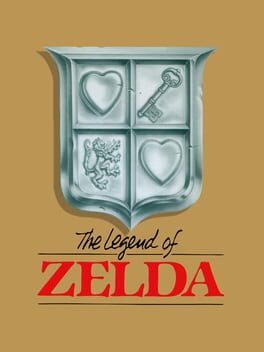
The headline that dominated the Direct was deceptively simple: the upcoming motion picture will be called "The Legend of Zelda," with no subtitle, tagline, or cinematic qualifier. Shigeru Miyamoto, the series’ creator, explained that the absence of a qualifier is intentional, hinting that the film will stand as a self‑contained artistic statement rather than a mere commercial extension. By eschewing descriptors like "Movie" or "Adventure," Nintendo appears to be positioning the project as a definitive, canonical entry that can be referenced alongside the games themselves, a bold claim that raises the stakes for narrative fidelity and visual ambition.
Beyond the title, the Direct confirmed a core ensemble of talent: Benjamin Evan Ainsworth will embody the heroic Link, Bo Bragason takes on the regal Zelda, Uli Latufeku steps into the shoes of the dark lord Ganondorf, and Dichen Lachman portrays the enigmatic Impa. While the full roster remains under wraps, the inclusion of seasoned actors suggests a commitment to performance depth rather than a reliance on pure star power. Miyamoto also dropped a tantalising hint that the Triforce—the series' iconic tri‑symbol of power, wisdom, and courage—will play a pivotal narrative role, though the specifics remain a mystery. The film is slated for a worldwide theatrical release on 30 April 2027, giving Nintendo ample time to orchestrate a multi‑phase marketing campaign that aligns with the franchise’s anniversary celebrations.
Analysis
From a market perspective, the decision to launch a Zelda film without a subtitle is a calculated risk that could pay dividends in brand equity. By presenting the title as a pure statement, Nintendo invites audiences to treat the film as an extension of the mythos rather than a peripheral side‑project. This approach could attract a broader demographic—casual moviegoers intrigued by the mystique of the name, as well as hardcore fans seeking canonical lore—thereby expanding box‑office potential beyond the niche that hampered earlier, less‑ambitious adaptations. Moreover, the timing aligns with Nintendo’s broader push into streaming and live‑action content, potentially creating synergies with upcoming titles, merchandise drops, and even future DLC that references cinematic events.
Creative challenges loom large, however. Translating a gameplay experience built on player agency, puzzle‑solving, and emergent exploration into a linear film narrative requires careful condensation of decades of lore without alienating newcomers. The Triforce hint suggests the filmmakers will lean into the series' thematic core, but they must balance mythic gravitas with the accessibility demanded by a mainstream audience. Production design will also be under scrutiny; fans will compare the film’s Hyrule to the beloved pixel art and later high‑definition renditions, meaning the visual team must honor the aesthetic lineage while delivering a fresh, cinematic vision. Success—or failure—will reverberate through Nintendo’s console ecosystem, influencing consumer sentiment toward future cross‑media ventures and potentially affecting hardware sales if the film drives renewed interest in legacy titles.
XPLog Opinion
At XPLog UK we view the title‑only announcement as a double‑edged sword: it signals Nintendo’s confidence in the film’s artistic merit, yet it also raises the bar for execution. The Legend of Zelda has always thrived on player imagination, and a misstep on screen could cement the franchise’s reputation as “unfilmable.” However, if the production respects the source material’s narrative cadence and delivers a visual language that feels both reverent and innovative, the payoff could be monumental—reinforcing Zelda’s status as a timeless myth and opening doors for future high‑budget adaptations across Nintendo’s portfolio.
Final Thoughts
In sum, the bare‑bones title reveal and Miyamoto’s cryptic Triforce tease have set the stage for what could become the most consequential video‑game adaptation of the decade. With a 2027 release date, Nintendo has the luxury of time to refine the script, perfect the visual design, and orchestrate a marketing crescendo that dovetails with the franchise’s 40th‑year celebrations. The industry will be watching closely, because the success—or failure—of this venture will likely dictate how legacy game publishers approach the cinematic arena for years to come.