.png)
Overview
In a move that reverberated across both gaming and cinematic circles, Nintendo and Columbia Pictures unveiled the first official trailer for the long‑awaited live‑action adaptation of The Legend of Zelda during a Nintendo Direct that celebrated the franchise's 40‑year legacy. The announcement arrived at a moment when the industry is witnessing an unprecedented surge of video‑game‑to‑film conversions, from the spectacular success of "Sonic the Hedgehog" to the mixed reception of "Warcraft" and "Uncharted". By anchoring the reveal within a dedicated anniversary showcase, Nintendo signaled that this project is not a peripheral cash‑grab but a centerpiece of its broader strategy to cement Zelda as a cross‑media pillar, alongside iconic properties such as Mario and Metroid.
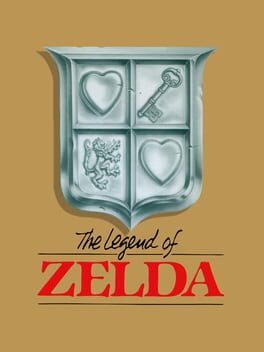
Historically, Zelda has been a touchstone of Nintendo's design philosophy, pioneering open‑world exploration, non‑linear narrative, and a mythic aesthetic that has influenced generations of developers. The series' 40th anniversary is more than a nostalgic milestone; it is a commercial pivot point where Nintendo is leveraging its expansive back‑catalog to fuel new revenue streams. The decision to forego a subtitle—simply branding the film "The Legend of Zelda"—harks back to the franchise’s minimalist naming convention and underscores a confidence that the brand alone carries sufficient cultural weight to attract both die‑hard fans and mainstream audiences.
What Happened?
The trailer, which ran for just under two minutes, introduced Bo Bragason as Princess Zelda and Benjamin Evan Ainsworth as a youthful Link, set against a sweeping, high‑budget visual palette that blended practical set pieces with cutting‑edge CGI. The sequence juxtaposed iconic series landmarks—the Lost Woods, Hyrule Castle, and a stylized version of the Master Sword—while teasing a narrative that appears to draw from the early entries of the series rather than the more recent "Breath of the Wild" era. In the accompanying press release, Columbia Pictures emphasized a commitment to preserving the mythic tone of the games, citing close collaboration with Nintendo's internal narrative team and longtime series producer Eiji Aonuma.
Beyond the on‑screen reveal, the announcement included concrete production details: the film is slated for a 2025 theatrical release, will be helmed by director Jonathan Goldstein, and features a screenplay co‑written by veteran game‑writer Matt Duffer, known for his work on "The Last of Us" series. The partnership also promises an expanded multimedia rollout, with tie‑in comic books, a bespoke soundtrack released on Nintendo’s own streaming platform, and a limited‑edition game bundle that will ship with exclusive in‑game items for the upcoming "Tears of the Kingdom" expansion. These ancillary components reflect a strategic effort to create a synchronized launch ecosystem that maximizes fan engagement across multiple touchpoints.
Analysis
The timing of the Zelda film’s reveal is particularly astute when examined against the backdrop of shifting consumer habits. The post‑pandemic box office has rebounded, yet streaming services continue to dominate content consumption, prompting studios to craft franchise tentpoles that can thrive in both theatrical and digital windows. By aligning the film’s release with a major console launch window—potentially the next Nintendo Switch successor—Nintendo positions the property to benefit from cross‑promotional synergies, driving hardware sales while simultaneously expanding its media portfolio. Moreover, the decision to anchor the narrative in the series' early lore may be a calculated risk: it sidesteps the narrative complexity of recent titles, making the story more accessible to newcomers, but it also raises the specter of alienating long‑time fans who expect the depth and emotional weight of later games.
From a competitive standpoint, the Zelda film enters a crowded field of high‑budget adaptations, each vying for the elusive formula that balances fan service with cinematic storytelling. Columbia Pictures' involvement signals a willingness to invest heavily in production values, a lesson learned from the under‑performance of lower‑budget attempts like "Mortal Kombat" (2021). However, the partnership also brings technical challenges: translating the series' iconic puzzles, fluid combat, and environmental storytelling into a live‑action medium demands sophisticated visual effects pipelines and a nuanced approach to world‑building. Success will hinge on whether the creative team can preserve the interactive spirit of the games while delivering a cohesive, emotionally resonant narrative that stands on its own merits.
XPLog Opinion
At XPLog UK, we view the bare‑bones titling of the film as a bold declaration of confidence: Nintendo believes the Zelda brand has transcended the need for explanatory subtitles, a confidence earned through four decades of cultural relevance. This move also reflects a broader industry trend where legacy IPs are being repackaged as universal myths, capable of attracting audiences who may never have held a controller. While the stakes are high—missteps could tarnish a beloved franchise—the alignment of seasoned Hollywood talent with Nintendo's meticulous oversight offers a rare convergence of narrative expertise and source material fidelity that could finally deliver a Zelda film worthy of its legendary source.
Final Thoughts
In sum, the unveiling of "The Legend of Zelda" film marks a pivotal chapter in Nintendo's evolution from console‑centric powerhouse to a diversified entertainment conglomerate. The project's ambitious production slate, strategic release timing, and deliberate nod to the series' mythic roots suggest a calculated effort to set a new benchmark for video‑game adaptations. As the industry watches, the next key dates to track will be the film’s Cannes preview in May 2025, the official trailer drop ahead of E3 2024, and the anticipated release window that will coincide with Nintendo’s next hardware cycle—moments that will reveal whether this iconic title can successfully leap from pixelated heroics to silver‑screen legend.