.png)
Overview
When Nintendo announced a dedicated Direct to celebrate the 40th anniversary of The Legend of Zelda, the gaming world braced for more than a nostalgic showcase. The franchise, which debuted on the Famicom Disk System in 1986, has become a cultural touchstone, shaping action‑adventure design, narrative pacing, and even hardware innovation—from the introduction of the Z‑targeting system on the N64 to the hybrid portability of the Switch. In an industry now dominated by live‑service ecosystems and aggressive quarterly roadmaps, a celebration of a single IP signals Nintendo’s confidence that timeless, single‑player experiences still command massive market relevance.
Beyond the sentimental value, the timing of the Direct dovetails with several strategic pivots. Nintendo is navigating a post‑pandemic landscape where hardware sales have plateaued, while competitors like Sony and Microsoft double‑down on subscription services and cross‑play. By foregrounding Zelda, Nintendo not only reinforces its flagship’s evergreen appeal but also leverages the anniversary to seed upcoming hardware iterations, potential DLC pipelines, and cross‑media expansions that could shore up the Switch’s waning lifecycle as the company quietly prepares its next‑gen platform.
What Happened?
The live broadcast opened with a montage of iconic moments—from the pixelated corridors of the original dungeons to the sprawling vistas of Breath of the Wild—before shifting to a stage‑like set reminiscent of Hyrule Castle’s grand hall. Executives from Nintendo’s Entertainment Planning & Development (EPD) team unveiled a slate of new projects: a sequel to the critically acclaimed Breath of the Wild, tentatively titled “The Legend of Zelda: Echoes of the Past,” promising a return to the open‑world formula with a darker, time‑bending narrative; a brand‑new handheld title for the Switch Lite, “Zelda: Shadow of the Moon,” designed to explore procedural dungeon generation; and a partnership with a major streaming platform to launch a live‑action series that will expand the lore beyond the games.
Key details emerged regarding release windows and development resources. The Breath of the Wild sequel is slated for a 2025 launch, aligning with the projected release of Nintendo’s next console, thereby ensuring a marquee exclusive that can drive hardware adoption. The handheld entry aims for a Q4 2024 release, strategically positioned before the holiday rush to boost Switch Lite sales. Meanwhile, the streaming series, produced in collaboration with a leading studio, will debut in early 2025, marking Nintendo’s most ambitious foray into narrative television since the ill‑fated “Super Mario Bros.” movie of the 1990s. Developer statements emphasized a focus on “deep player agency” and “organic world‑building,” suggesting that Nintendo intends to push the technical envelope of the Switch while laying groundwork for future hardware.
Analysis
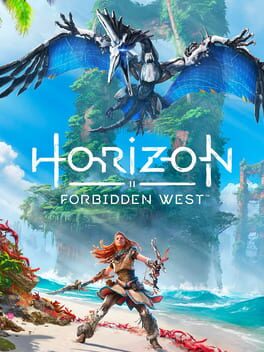
The announcement reflects a calculated attempt to extract maximal value from the existing Switch ecosystem before the inevitable generational handoff. By anchoring its flagship franchise to both a high‑budget, open‑world sequel and a lower‑cost, procedural handheld spin‑off, Nintendo diversifies revenue streams while mitigating risk. The open‑world sequel, with its anticipated AAA budget, will likely compete directly with titles like Elden Ring and Horizon Forbidden West, forcing Nintendo to justify its higher price point through unique gameplay mechanics rooted in Zelda’s legacy, such as innovative puzzle‑solving and a refined combat system that leverages the upcoming console’s upgraded GPU.
From a market dynamics perspective, the move also positions Nintendo to counteract the growing allure of subscription‑based gaming. By delivering fresh, story‑driven content that can be owned outright, Nintendo reinforces the value proposition of perpetual ownership—a philosophy that has underpinned its success since the early days of cartridge sales. Moreover, the streaming series could serve as a cross‑promotional engine, driving new audience segments toward the games, much like the symbiotic relationship observed between the “The Witcher” Netflix series and CD Projekt’s titles. This multi‑platform strategy may become a template for other publishers seeking to amplify franchise longevity without relying solely on DLC monetisation.
XPLog Opinion
At XPLog, we view Nintendo’s Zelda Direct as a bold affirmation that narrative‑driven, single‑player experiences remain a potent commercial force, even as the industry leans heavily into multiplayer and service models. The decision to double‑down on Zelda—delivering both a premium sequel and an accessible handheld adventure—signals that Nintendo understands its core audience’s appetite for depth and discovery, and it is willing to invest heavily to satisfy that demand. This approach not only safeguards the brand’s cultural relevance but also provides a sturdy anchor for the upcoming console generation, ensuring that the next hardware launch will have a marquee title capable of galvanising both media attention and consumer spend.
Final Thoughts
In sum, the 40th‑anniversary Zelda Direct does more than celebrate a beloved series; it maps out Nintendo’s strategic roadmap for the next five years, intertwining franchise stewardship with hardware ambition and transmedia expansion. Players should keep an eye on the 2025 reveal event for the new console, the Q4 2024 launch window for the handheld title, and the early‑2025 streaming series premiere—all milestones that will define how Nintendo balances nostalgia with innovation in an increasingly competitive market.