.png)
Overview
The Legend of Zelda has been a cornerstone of Nintendo’s identity since its debut in 1986, and its 40th anniversary arrives at a pivotal moment for the company’s hardware roadmap. After more than a decade of dominance, the Switch family is poised to evolve into its next generation—often colloquially referred to as ‘Switch 2’—and Nintendo has chosen the anniversary as the narrative hook to showcase how legacy content will be reborn on that future platform. This strategy mirrors the way Sony and Microsoft have leveraged flagship franchises to justify console transitions, yet Nintendo’s approach remains uniquely tied to the cultural cachet of its long‑standing IP, using the anniversary as both a celebration and a marketing catalyst.
Beyond the console itself, the Zelda milestone arrives amid a broader industry shift toward multimedia franchising, where video game properties increasingly expand into film, television, and streaming experiences. The recent success of the Zelda movie, coupled with the franchise’s robust merchandising ecosystem, signals that Nintendo is intent on turning Hyrule into a cross‑media juggernaut. In this environment, any new content—whether a polished remake, a fresh title, or a non‑game initiative—carries weight far beyond the cartridge, influencing licensing deals, third‑party partnerships, and the company’s global brand equity.
What Happened?
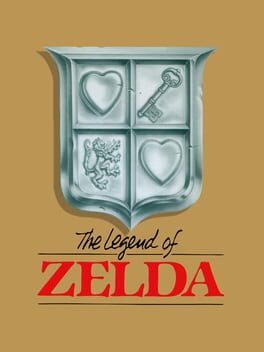
Earlier today, Nintendo’s official Japanese social channels released a cryptic teaser that has ignited speculation across the community. The post featured a stylized Hylian crest accompanied by the phrase “40 years of adventure,” followed by a brief clip that hinted at the iconic melody of Ocarina of Time, albeit rendered with a subtle visual filter suggesting a next‑gen hardware aesthetic. While the company stopped short of confirming specifics, the timing of the reveal—just hours before the scheduled anniversary Direct—makes it clear that the headline act will be a high‑definition revisit of Ocarina of Time, likely optimized for the upcoming Switch 2 architecture.
Accompanying the Ocarina tease, Nintendo also hinted at “additional initiatives” that fall outside the realm of pure gameplay. Industry observers have connected the dots to the upcoming Zelda film, which is slated for a worldwide theatrical release later this year, suggesting that the Direct may include exclusive behind‑the‑scenes content, tie‑in merchandise announcements, or even a preview of a new animated series. Such cross‑promotional tactics are designed to keep the franchise in the public eye across multiple platforms, reinforcing Nintendo’s ambition to turn Zelda into a year‑round cultural touchstone rather than a seasonal release cycle.
Analysis
The decision to spotlight Ocarina of Time on the next‑gen console is a calculated gamble that could accelerate early adoption of Switch 2 hardware. The original 1998 title remains a benchmark for narrative design and gameplay innovation; a faithful yet technically enhanced remake would not only satisfy long‑time fans but also serve as a showcase of the new system’s graphical and performance capabilities. Historically, Nintendo has leveraged marquee remakes—such as the 2017 Switch port of The Legend of Zelda: Skyward Sword—as springboards for hardware sales, and the 40th anniversary presents a similar opportunity on a larger scale. Moreover, the announcement dovetails with the company’s broader pipeline, which includes a sequel to Breath of the Wild; aligning two heavyweight titles around the same launch window could create a synergistic sales surge comparable to the PlayStation 4’s early‑year blockbuster lineup.
From a competitive standpoint, the move also positions Nintendo against Sony’s and Microsoft’s focus on next‑gen power and subscription services. While the PlayStation 5 and Xbox Series X have emphasized raw horsepower and ecosystem integration, Nintendo continues to double down on exclusive, experience‑driven content. By anchoring the Switch 2 launch around a universally revered classic, Nintendo sidesteps the need to chase graphical parity, instead reinforcing its brand differentiation through nostalgia‑infused innovation. However, the technical challenge of faithfully translating Ocarina of Time’s engine to modern hardware without sacrificing the original’s charm is non‑trivial; any misstep could alienate purists and erode the goodwill that the anniversary celebration aims to cultivate.
XPLog Opinion
At XPLog UK, we view Nintendo’s 40th‑anniversary Direct as a masterstroke of timing and brand stewardship. By marrying a beloved classic with the promise of next‑gen fidelity, Nintendo not only rewards its most loyal fans but also sets a clear value proposition for prospective Switch 2 buyers—namely, that the future of Nintendo gaming will be built on the very foundations that defined the company’s golden era. Yet we caution that the hype surrounding the remake must be matched by substantive improvements; a superficial visual upgrade would feel like a missed opportunity and could fuel criticism that Nintendo is leaning too heavily on nostalgia instead of delivering fresh, innovative experiences.
Final Thoughts
The Zelda 40th Anniversary Direct is poised to be more than a celebratory showcase; it is a strategic inflection point that could dictate the commercial trajectory of Nintendo’s next console generation and reshape the franchise’s role in a rapidly converging entertainment landscape. Players should mark their calendars for the Direct later today, and keep an eye on the subsequent weeks for concrete release windows, hardware specifications, and further cross‑media announcements that will define how Hyrule evolves in the era of Switch 2.