.png)
Overview
The gaming world has been buzzing with speculation ever since a well‑known Nintendo insider leaked details hinting at two marquee projects: a brand‑new entry in the Super Smash Bros. franchise and the revival of the beloved Nintendogs series. While the former promises to extend Nintendo's flagship fighting arena beyond the iterative updates that have defined the post‑UFC era, the latter taps into a nostalgic niche that once dominated the handheld market in the early 2010s. Both announcements arrive at a pivotal moment for Nintendo, which is navigating a post‑Switch‑Lite landscape, grappling with the need to sustain hardware sales while expanding its software pipeline to keep both core and casual audiences engaged.
Historically, Nintendo has leveraged flagship titles to drive console adoption—think of the symbiotic relationship between the original Wii and Wii Sports, or the Switch’s meteoric rise fueled by titles like Breath of the Wild and Animal Crossing: New Horizons. The forthcoming Smash Bros. entry could serve a similar purpose, acting as a system seller for the next‑generation hardware that is rumored to be in development. Meanwhile, resurrecting Nintendogs, a series that pioneered pet simulation on the DS and later on the 3DS, suggests a strategic diversification: Nintendo is not merely chasing high‑octane esports titles but also courting the family‑friendly, lifestyle segment that has historically underpinned its broad market appeal.
What Happened?
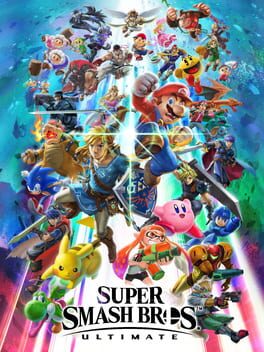
According to the leaker, the new Super Smash Bros. will not be a mere patch or balance update to Ultimate; instead, it will be a full‑scale sequel built on a fresh engine, promising expanded roster depth, revamped mechanics, and a reimagined online infrastructure. The leak cites internal memos indicating that development has entered its “polish phase,” with a projected release window aimed at the holiday season of the next console cycle. Statements from the development team, filtered through the leak, emphasize a desire to return to the series’ competitive roots while integrating lessons learned from the esports boom, such as improved netcode, tournament‑grade spectator modes, and cross‑platform play possibilities.
In parallel, the Nintendogs revival is slated to leverage the capabilities of Nintendo’s upcoming hardware, potentially incorporating augmented reality (AR) features reminiscent of the success of Pokémon GO, as well as deeper integration with the Nintendo Switch Online ecosystem. The source material hints at a “next‑generation pet simulation” that will allow players to interact with virtual dogs using motion controls, haptic feedback, and perhaps even the rumored “dual‑screen” handheld mode. This move appears calculated to recapture the affection of former DS owners now in their late twenties, a demographic that possesses both disposable income and a nostalgic yearning for the tactile, low‑stress gaming experiences of their youth.
Analysis
The simultaneous rollout of a new Smash Bros. and a Nintendogs sequel reflects a dual‑track strategy aimed at fortifying Nintendo’s market position on two fronts. From a financial perspective, a fresh Smash Bros. title can generate blockbuster sales comparable to the 2018 launch of Super Smash Bros. Ultimate, which sold over 23 million copies worldwide. Moreover, by rebuilding the online architecture, Nintendo can better compete with Sony’s PlayStation Network and Microsoft’s Xbox Live, addressing long‑standing criticisms about latency and matchmaking that have hampered its esports credibility. This technical overhaul could also open the door for third‑party developers to adopt Nintendo’s online standards, fostering a more vibrant competitive scene that extends beyond the console’s native ecosystem.
Conversely, the Nintendogs revival signals a broader diversification of Nintendo’s portfolio, aiming to capture a slice of the burgeoning casual‑gaming market that has exploded on mobile platforms. By reintroducing a pet simulation with modern AR capabilities, Nintendo can tap into the same emotional engagement that drives success for titles like Animal Crossing: Pocket Camp and the recent surge in virtual pet NFTs—though Nintendo is likely to avoid blockchain to preserve its family‑friendly brand. This move also aligns with the company’s historical emphasis on “social play,” offering a low‑entry‑bar experience that can attract families, older gamers, and even new console adopters who may be hesitant to invest in more demanding titles.
XPLog Opinion
From XPLog’s perspective, the twin announcements are a masterstroke of brand stewardship: Nintendo is simultaneously reinforcing its core competitive identity while expanding its emotional, lifestyle appeal. The new Smash Bros. will likely become the cornerstone of the next console’s launch, driving hardware sales and cementing Nintendo’s relevance in the esports arena, whereas Nintendogs will serve as a bridge to the casual market, ensuring that the company’s ecosystem remains inclusive and resilient against the tide of mobile‑first competition.
Final Thoughts
In sum, the forthcoming Super Smash Bros. sequel and the Nintendogs revival represent more than just two isolated titles; they embody Nintendo’s calculated bet on a bifurcated growth model that balances high‑stakes competitive gaming with universally accessible, heart‑warming experiences. As the industry watches for official confirmations, the next key dates to monitor are the anticipated E3 showcase later this year and the rumored hardware reveal early next year, both of which could solidify Nintendo’s strategic direction for the remainder of the decade.