.png)
Overview
Capcom has entered what many observers are calling a golden decade, a period defined by a relentless cadence of high‑profile launches that have repeatedly proven the publisher’s capacity to translate heritage IP into contemporary commercial powerhouses. In an industry still wrestling with the aftershocks of the pandemic‑induced supply‑chain crunch and the looming transition to fully cloud‑based ecosystems, the announcement that Onimusha: Way of the Sword moved one million units in its first 24 hours is a striking reminder that well‑crafted, narrative‑driven action‑adventure titles can still dominate headline sales when they are paired with a savvy multi‑platform rollout and a nostalgia‑driven marketing narrative.
The Onimusha franchise, originally birthed in 2001 for the PlayStation 2, has long been a touchstone of Capcom’s ability to blend cinematic storytelling with visceral combat set against a richly imagined feudal Japan. While earlier entries amassed respectable numbers—collectively hovering around nine million copies over two decades—the series never quite achieved the cultural ubiquity of Resident Evil or Monster Hunter. That calculus shifted dramatically when Capcom announced Way of the Sword, positioning it not merely as a remaster but as a full‑fledged re‑imagining that would leverage modern hardware, ray‑traced lighting, and an expanded narrative that ties together the series’ disparate timelines. The result is a title that arrives at the crossroads of retro reverence and next‑gen polish, a sweet spot that has proven lucrative for other legacy revivals such as Pragmata and the Resident Evil Requiem remaster.
What Happened?
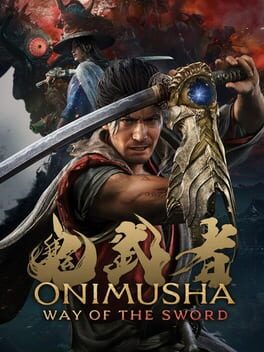
On the morning of its worldwide launch across PlayStation 5, Xbox Series X|S, Nintendo Switch, and PC, Capcom disclosed that Onimusha: Way of the Sword had eclipsed the one‑million‑unit threshold within a single day—a feat that outpaces Pragmata’s two‑day sprint and rivals the blistering first‑week performance of Resident Evil Requiem, which moved five million copies in less than seven days. The publisher attributed the surge to a combination of pre‑order momentum that topped 800,000 units, a limited‑edition collector’s bundle that sold out within hours, and a coordinated media blitz that included a live‑streamed gameplay showcase featuring veteran series director Shinji Mikami and a cameo from famed samurai film star Takuya Kimura.
Beyond the headline figure, the launch propelled the cumulative Onimusha series past the ten‑million mark, a milestone that places the franchise alongside Capcom’s most commercially successful lines. In a statement, Capcom’s head of global publishing highlighted the title’s “cross‑generational appeal,” noting that the game’s simultaneous release on both current‑gen consoles and the Switch—a platform traditionally dominated by Nintendo’s first‑party catalog—signaled a strategic push to capture both core and casual demographics. The announcement also hinted at forthcoming post‑launch support, including a season‑pass narrative expansion slated for early 2027, which is expected to deepen the lore and sustain player engagement well beyond the initial sales spike.
Analysis
From a market‑performance perspective, the one‑million‑day achievement underscores Capcom’s mastery of staggered release windows and digital‑first distribution. By bundling a robust physical collector’s edition with a digital‑only deluxe tier, the company maximized revenue per user while also feeding the collector’s market that remains resilient despite the industry’s broader shift toward streaming. Moreover, the title’s strong performance across all four major platforms dilutes the risk associated with platform‑specific saturation, a lesson learned from the uneven launch of previous Capcom titles that leaned heavily on a single ecosystem. The data also suggests a healthy appetite for narrative‑driven, historically grounded action games, a niche that has been under‑served in the current generation dominated by battle‑royale and live‑service shooters.
Competitor dynamics further illuminate the significance of this milestone. Sony’s recent focus on narrative exclusives such as Horizon Forbidden West and the upcoming Silent Hill remake has intensified the battle for core gamers seeking story‑rich experiences, while Microsoft’s acquisition of several studios signals a long‑term strategy to diversify its portfolio beyond first‑party shooters. Nintendo, traditionally protective of its own IP, may view Capcom’s Switch success as a validation of third‑party collaborations that could broaden the console’s library and attract a more mature audience. In the broader context, Onimusha’s triumph could catalyze a wave of heritage revivals, prompting publishers to re‑examine dormant IPs with a modern lens, especially as development costs stabilize with the maturation of cross‑platform engines such as Unreal Engine 5.
XPLog Opinion
At XPLog UK, we see Onimusha: Way of the Sword’s record‑breaking debut as a clarion call that the core gaming community still craves meticulously crafted, story‑first experiences that honor their roots while embracing contemporary technology. While the temptation to lean on nostalgia alone is ever‑present, Capcom’s strategic integration of new combat mechanics, expanded lore, and a clear post‑launch roadmap demonstrates that reverence without innovation is no longer sufficient. This launch not only reaffirms Capcom’s position as a steward of its legacy franchises but also sets a benchmark for how publishers can responsibly revitalize classic IPs without alienating the very fans who made them iconic.
Final Thoughts
In sum, the million‑unit first‑day surge for Onimusha: Way of the Sword is more than a sales trophy; it is a proof point that legacy franchises, when thoughtfully reimagined and strategically deployed across the full spectrum of modern hardware, can still command the market’s attention and generate substantial revenue. As Capcom prepares to roll out the promised narrative expansion in early 2027 and eyes the next fiscal quarter’s earnings report, industry watchers will be keen to see whether this momentum translates into sustained engagement or remains a flash‑in‑the‑pan triumph. Either way, the headline sets the stage for a renewed era of historically grounded action‑adventure titles that could reshape the competitive landscape for years to come.