.png)
Overview
In an era where blockbuster launches are often measured in tens of millions, the achievement of two mid‑tier Capcom titles crossing the one‑million‑copy threshold on the PlayStation 5 is a striking reminder of the publisher’s enduring clout among core gamers. The PS5’s install base, now edging past 30 million worldwide, has matured into a platform that rewards both high‑budget spectacles and meticulously crafted experiences that speak directly to the nostalgic sensibilities of long‑time fans. Capcom, a studio whose pedigree stretches back to the arcade‑filled corridors of the 1980s, has leveraged this environment by delivering two very different but thematically resonant projects: *Blood of Dawnwalker*, a fresh entry in the action‑RPG vein, and *Onimusha: Way of the Sword*, a modern revival of the iconic samurai‑horror franchise.
The simultaneous release window—just a single day apart—could have set the stage for internal competition, yet the market data suggests a complementary dynamic. Historically, Capcom’s franchise revivals, such as the *Resident Evil* remakes, have demonstrated that a well‑executed nostalgic return can reignite interest without cannibalising sibling titles. This pattern appears to repeat itself now, as both games have carved out distinct audience segments: *Dawnwalker* appeals to players hungry for expansive open‑world exploration, while *Onimusha* draws in those seeking tightly scripted, narrative‑driven combat set against a stylised feudal backdrop. The confluence of these releases underscores a broader industry trend where publishers stagger launches to maintain a steady stream of headline‑making sales, rather than relying on a single blockbuster to dominate the quarter.
What Happened?
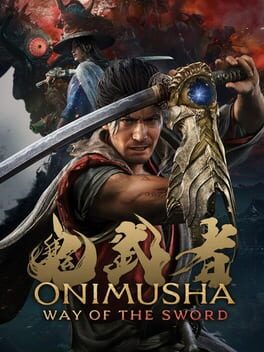
Within 24 hours of its launch, *Onimusha: Way of the Sword* vaulted past the one‑million‑copy mark, a feat that not only validates Capcom’s gamble on reviving a legacy IP but also pushes the cumulative sales of the *Onimusha* series to a tidy ten million units worldwide. The developer celebrated the milestone with a bespoke piece of artwork shared across its social channels, pairing the visual with a heartfelt message of gratitude to the player community. This rapid uptake is indicative of a pent‑up demand for high‑quality, story‑centric action titles on the PS5, a platform that has, until recently, been dominated by shooters and sports simulations.
*Blood of Dawnwalker* mirrored this success, also breaching the million‑copy barrier despite launching only a day later. Capcom’s internal data, released via a brief statement, highlighted that the two titles have not significantly eroded each other's sales, suggesting that the audience overlap is limited and that the studio’s diversification strategy is paying dividends. The company emphasized that both games benefited from a coordinated marketing push, including cross‑promotional trailers, influencer partnerships, and a limited‑edition physical bundle that bundled both titles—a move that likely amplified collector interest and drove early adopters to purchase both simultaneously.
Analysis
The dual‑million‑copy achievement arrives at a pivotal moment for Sony’s ecosystem. While Xbox continues to double‑down on subscription services and cloud gaming, PlayStation’s strength remains rooted in exclusive, narrative‑driven experiences that command premium pricing. Capcom’s performance reinforces the notion that third‑party exclusives, even when released on a shared platform, can still serve as de‑facto exclusives when they leverage the console’s technical capabilities—such as the PS5’s ultra‑fast SSD and Tempest 3D AudioTech—to deliver a level of immersion that rivals first‑party titles. This dynamic not only bolsters Sony’s hardware sales but also raises the bar for competing publishers who must now justify their own releases with comparable technical polish.
From a development perspective, both games showcase Capcom’s mastery of the new generation’s hardware. *Onimusha* employs ray‑traced lighting to accentuate its gothic atmospherics, while *Dawnwalker* exploits the console’s expanded memory to render a seamless, densely populated world without noticeable pop‑in. These technical achievements signal a maturation curve for Capcom’s internal engines, positioning the studio to tackle even more ambitious projects—potentially a fully open‑world *Resident Evil* or a next‑gen *Mega Man*—without the need for external middleware. Moreover, the rapid sales spike hints at a market appetite for titles that blend classic design philosophies with modern performance standards, a niche that could shape Capcom’s roadmap for the next three to five years.
XPLog Opinion
At XPLog UK we view Capcom’s twin‑launch strategy as a masterclass in balancing legacy reverence with forward‑looking design. By resurrecting *Onimusha* at a time when the industry is saturated with live‑service shooters, Capcom has reminded the core audience that there is still a lucrative appetite for meticulously crafted single‑player experiences. Simultaneously, *Dawnwalker* proves that the studio can innovate within the action‑RPG space, delivering a fresh title that feels both familiar and evolutionary. This dual success not only cements Capcom’s status as a steward of its storied franchises but also signals to the wider market that thoughtful, quality‑first releases can still dominate sales charts in a streaming‑centric era.
Final Thoughts
As the PS5 continues its march toward a broader install base, the momentum generated by *Blood of Dawnwalker* and *Onimusha: Way of the Sword* will likely influence Capcom’s upcoming fiscal planning, including potential DLC pipelines, seasonal events, and the timing of future releases slated for early 2027. Players and analysts alike should keep an eye on Capcom’s quarterly earnings call in November, where the company is expected to outline how these milestones translate into longer‑term revenue streams and whether the studio will double‑down on reviving other dormant IPs. In the meantime, the industry will be watching closely to see if this twin‑million‑copy phenomenon can be replicated, or if it remains a unique flashpoint in the evolving narrative of next‑gen console gaming.