.png)
Overview
Microsoft’s Xbox Game Pass has evolved from a simple library of rotating titles into a full‑blown ecosystem that rivals traditional retail and even other subscription services in depth and breadth. By the close of 2025 the service had already crossed the 30‑million subscriber mark worldwide, a milestone that was driven not only by its ever‑growing catalogue but also by a carefully engineered perks layer that bundles exclusive in‑game content, early‑access trials, and cross‑title bonuses. September 2026 arrives at a moment when the subscription market is saturated with competing offers—from Sony’s PlayStation Plus tiers to Nvidia’s GeForce Now bundles—making each added perk a crucial differentiator in the battle for player loyalty.
Historically, Xbox’s perks program began as a modest add‑on for flagship titles, but it quickly morphed into a curated “menu” of freebies that span multiple genres and publishers. This shift mirrors a broader industry trend where publishers are leveraging subscription platforms to extend the lifecycle of games and monetize post‑launch support without fragmenting the player base. The latest wave of September additions—spanning tactical shooters, family‑friendly racers, and even Disney‑licensed titles—signals Microsoft’s intent to deepen its reach across both hardcore and casual demographics, while also reinforcing the perception that Game Pass is a one‑stop shop for value‑driven gamers.
What Happened?
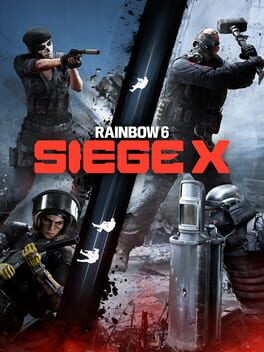
In the past week Microsoft announced an expanded slate of Game Pass Perks that will be available to subscribers throughout September 2026. Among the highlighted freebies are a permanent weapon skin pack for Rainbow Six Siege, a season‑long boost for Disney Speedstorm, and a unique avatar set for the indie darling Aniimo. Crucially, these items are being rolled out to all three subscription tiers—Essential, Premium, and Ultimate—though the most coveted bonuses, such as the Fortnite Crew bundle and the Rocket League Rocket Pass, remain exclusive to Ultimate members, preserving a tiered incentive structure that nudges users toward the higher‑priced plan.
The rollout is being coordinated with the developers of each title, many of whom have publicly praised the partnership for its ability to deliver content directly to a massive, engaged audience without the friction of traditional DLC storefronts. Xbox’s communications team emphasized that the perks are “instant‑activate” for anyone logged into their account, a logistical improvement over earlier implementations that sometimes required manual redemption codes. This seamless integration not only enhances the perceived value of the subscription but also reduces churn by keeping the experience frictionless.
Analysis
From a market perspective, the September perk expansion is a calculated move to counteract the seasonal dip that typically follows major console launches in the autumn. By injecting fresh, high‑visibility content into the Game Pass pipeline, Microsoft aims to sustain subscriber acquisition rates that have plateaued at around 1‑2% month‑over‑month. The inclusion of titles with strong community ecosystems—such as Rainbow Six Siege, which boasts a competitive scene with over 5 million active players—provides a halo effect that can attract both new entrants and lapsed players seeking a cost‑effective way to stay current.
Technically, the broader distribution of perks across all tiers introduces a new set of licensing negotiations. Microsoft must balance the revenue expectations of third‑party publishers with the need to keep the perks attractive enough to justify the premium price of Ultimate. This delicate dance is evident in the decision to keep Fortnite Crew and Rocket League’s Rocket Pass exclusive; both franchises command substantial microtransaction revenue streams, and limiting access helps preserve those earnings while still offering a taste of the content to lower‑tier subscribers. Looking ahead, the strategy suggests a future where perks become a dynamic, data‑driven feed—potentially leveraging AI to tailor offers to individual play habits, thereby maximizing engagement and lifetime value.
XPLog Opinion
At XPLog UK we view Microsoft’s aggressive perk rollout as a clear signal that the subscription wars are entering a phase of “value layering” rather than pure content volume. The decision to democratize most perks while reserving the most lucrative bundles for Ultimate members strikes a shrewd balance between inclusivity and premium monetisation, and it forces competitors to rethink how they bundle exclusive content without alienating their broader user base. If the execution remains as seamless as promised, Xbox could set a new industry benchmark for how subscription services retain relevance in an increasingly crowded market.
Final Thoughts
The September 2026 perk expansion underscores Xbox’s commitment to turning Game Pass into an ever‑evolving value proposition rather than a static game library. As the calendar turns toward the holiday season, the real test will be whether these added incentives translate into measurable subscriber growth and reduced churn, especially when compared against Sony’s upcoming Plus tier refresh. Players should keep an eye on Microsoft’s October announcements for potential surprise drops, and on the broader industry’s reaction as other platforms scramble to match the depth of Xbox’s perk ecosystem.