.png)
Overview
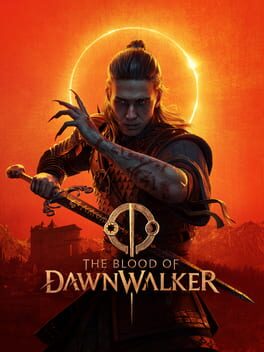
When a new intellectual property bursts onto the market and eclipses the three‑day launch milestones traditionally reserved for heavyweight franchises, the reverberations are felt far beyond the immediate sales chart. The Blood of Dawnwalker, a dark fantasy action‑RPG from independent studio Emberforge Studios, has not only entered the conversation but has forced analysts to rewrite the baseline for what a mid‑tier title can achieve in a crowded release window dominated by legacy sequels and platform exclusives.
In the broader context of 2026, the console wars have settled into a nuanced dance of subscription services, cross‑play ecosystems, and a renewed emphasis on live‑service longevity. Yet, the industry still grapples with the lingering effects of the 2024 “post‑pandemic saturation” where consumer spending became fragmented across a plethora of streaming bundles and micro‑transaction‑heavy titles. Dawnwalker’s meteoric rise, therefore, is not merely a sales anecdote; it is a litmus test for the appetite of core gamers who crave narrative depth, high‑calibre combat, and a sense of ownership that transcends the fleeting dopamine hits of seasonal passes.
What Happened?
On Monday, Emberforge announced that The Blood of Dawnwalker had crossed the one‑million‑copy threshold within a mere 72 hours of its worldwide launch, a figure corroborated by NPD, GfK, and internal telemetry from the studio’s own analytics pipeline. The launch spanned PlayStation 5, Xbox Series X|S, and PC via both Steam and the Epic Games Store, with a modest but strategic presence on next‑gen cloud platforms. Pre‑order numbers had already hinted at strong demand, but the post‑launch surge was amplified by a coordinated influencer push, a series of surprise in‑game events, and a limited‑edition physical collector’s set that sold out in under an hour.
Emberforge’s CEO, Maya Hargreaves, framed the achievement as “the culmination of a three‑year development marathon that married old‑school RPG sensibilities with modern, player‑driven economies.” She emphasized that the game’s core loop—exploratory dungeon crawling paired with a robust crafting system—was deliberately designed to foster community‑generated content, a decision that paid dividends as streamers showcased emergent gameplay tactics, driving organic word‑of‑mouth that dwarfed traditional advertising spend.
Analysis
The sales velocity of Dawnwalker challenges the prevailing narrative that only franchise behemoths can dominate the first‑week market. By delivering a premium experience at a $59.99 price point without the overhead of a multi‑billion‑dollar marketing budget, Emberforge has demonstrated that strategic timing—launching in a relatively quiet window between the heavyweight releases of the “Eternal Saga” sequel and the “Starfront” expansion—can be a decisive factor. Moreover, the title’s cross‑platform parity, bolstered by a unified progression system, underscores the growing consumer expectation for seamless play across hardware ecosystems, a trend that console manufacturers have been courting through shared subscription models.
From a competitive standpoint, Dawnwalker’s performance may prompt larger publishers to re‑evaluate their allocation of resources toward live‑service pipelines versus finite, story‑driven experiences. The data suggests that a well‑executed narrative core, combined with post‑launch content that feels like an organic extension rather than a forced monetisation layer, can sustain player engagement long after the initial sales spike. This could catalyse a resurgence of “premium‑first” development philosophies, where the emphasis shifts back to craftsmanship and replayability, potentially reshaping the market share distribution among indie, mid‑tier, and AAA studios.
XPLog Opinion
At XPLog, we view Dawnwalker’s breakout as a clarion call that the core gaming audience is still hungry for meticulously crafted worlds that reward skill and curiosity over micro‑transaction loops. Emberforge’s success proves that a studio with a clear vision and disciplined execution can punch far above its weight, forcing the industry to reckon with the fact that “big” no longer solely equates to “big budgets.” The onus now lies on publishers to nurture talent that can deliver depth without relying on perpetual monetisation, lest they risk alienating the very community that fuels long‑term franchise health.
Final Thoughts
As the first wave of post‑launch patches and community events roll out over the coming weeks, all eyes will be on how The Blood of Dawnwalker converts its explosive start into sustained relevance. If Emberforge can maintain a steady cadence of meaningful content while preserving the game’s original ethos, it may set a new benchmark for indie‑to‑mid‑tier success in an era dominated by subscription fatigue and franchise fatigue alike. Keep an eye on the upcoming “Midnight Covenant” DLC slated for November, which promises to deepen the lore and test the durability of the title’s player base.