.png)
Overview
When Nintendo Life launched its weekly Box Art Brawl competition, it inadvertently created a barometer for how nostalgia‑driven franchises perform across disparate markets. The latest duel pitted the gothic platformer Castlevania: Belmont's Curse against an anonymous challenger on the Switch, and the resulting poll data revealed a striking reversal of the regional dynamics that defined the previous week’s Mega Man Zero 2 showdown. While Japan’s dominance in the earlier poll seemed to cement its reputation as the cradle of retro‑gaming enthusiasm, the new figures show North America edging ahead with a modest but decisive lead, suggesting that the Western appetite for re‑imagined vampire‑hunting epics is resurging in a way that could reshape publisher strategies.
Understanding why this shift matters requires a look back at the evolution of the Castlevania brand, from its 1986 arcade origins to the critically acclaimed Metroidvania renaissance of the 2010s. The franchise has long been a touchstone for developers experimenting with tight platforming, atmospheric storytelling, and a distinctive gothic aesthetic. Its latest incarnation, Belmont's Curse, arrived on the Switch as a downloadable title that blends classic side‑scrolling mechanics with modern polish, aiming to capture both longtime fans and newcomers drawn to the console’s hybrid portability. In the broader context of Nintendo’s 2024‑2025 hardware cycle, where the Switch continues to dominate sales despite the imminent arrival of a next‑gen successor, the poll’s outcome offers a glimpse into how legacy IPs can leverage the platform’s massive install base to sustain relevance.
What Happened?
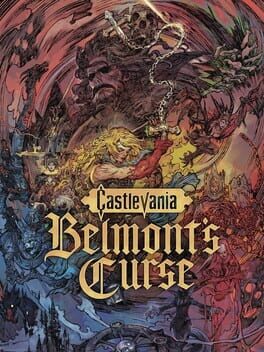
The Box Art Brawl poll asked participants to vote for the cover art they found most compelling, but the underlying narrative was far richer than a simple aesthetic preference. Castlevania: Belmont's Curse entered the competition with a strikingly minimalist illustration that juxtaposes a blood‑red moon against the silhouette of the eponymous Belmont wielding a silver crucifix. The artwork deliberately harkens back to the series’ 1990s print campaigns while incorporating a contemporary, high‑contrast color palette designed to stand out on the Switch eShop’s crowded storefront. According to a brief developer statement released alongside the poll, Konami’s marketing team emphasized that the visual direction was intended to signal a “return to roots” while also appealing to a generation accustomed to bold, Instagram‑ready graphics.
When the votes were tallied, North America claimed roughly 48% of the total, Europe hovered near 30%, and Japan contributed the remaining 22%. This distribution contrasted sharply with the previous week’s Mega Man Zero 2 poll, where Japan commanded a 73% share. The shift can be partially attributed to the timing of the poll, which coincided with a major promotional push for Belmont's Curse on the North American eShop, including limited‑time discounts and a partnership with popular Twitch streamers who highlighted the game’s nostalgic yet fresh gameplay loop. Moreover, the poll’s visibility on English‑language gaming forums amplified its reach among Western audiences, further skewing the demographic balance.
Analysis
From a market performance perspective, the poll underscores a broader trend: legacy titles that successfully marry classic design philosophies with modern production values are finding fertile ground on the Switch, especially in territories where retro gaming culture has become mainstream. Konami’s decision to resurrect Belmont’s lineage on a platform that excels at delivering bite‑sized experiences aligns with the company’s recent pivot away from high‑budget AAA releases toward a portfolio of smaller, serviceable titles. This approach mitigates risk while capitalizing on the Switch’s proven ability to generate long‑tail revenue through digital sales, DLC, and seasonal events.
Competitor dynamics also come into play. While Capcom continues to dominate the Western nostalgia market with titles like Resident Evil 4 Remake, Konami’s strategic emphasis on art‑driven marketing and community‑centric polls demonstrates an awareness that visual branding can be as potent as gameplay innovation in driving sales. Technical hurdles, however, remain; porting a game originally built on older engines to the Switch’s hybrid architecture often requires extensive optimization to maintain frame‑rate stability across docked and handheld modes. Konami’s investment in this area signals confidence that the payoff—both in brand rejuvenation and in capturing a slice of the Switch’s 92‑million‑unit user base—is worth the engineering effort.
XPLog Opinion
At XPLog UK, we view the Belmont's Curse poll as a litmus test for how effectively heritage franchises can leverage contemporary digital ecosystems without relying on blockbuster budgets. The modest yet decisive North American lead suggests that the Western market is hungry for curated retro experiences that respect their origins while offering polished, platform‑agnostic delivery. Konami’s nuanced art direction and calculated eShop promotion demonstrate a savvy understanding of today’s discovery channels, and we expect this model to become a template for other mid‑tier publishers seeking relevance in a console landscape increasingly dominated by live‑service juggernauts.
Final Thoughts
Ultimately, the Box Art Brawl poll for Castlevania: Belmont's Curse does more than crown a favorite cover; it signals a subtle rebalancing of regional appetites that could influence future release calendars, marketing spend, and even the types of IPs that receive Switch ports. As the platform approaches its next hardware iteration, keeping an eye on subsequent polls, sales data, and community engagement metrics will be essential for gauging whether this Western‑centric momentum endures or if the pendulum will swing back toward the Japanese core that has traditionally powered the franchise’s lifeblood.