.png)
Overview
As September unfurls its early autumn chill, the console battleground has once again become a stage for bold strategic moves, and Xbox is leading the charge. The past fortnight has seen the launch of two headline‑grabbing titles that have not only captured critical acclaim but also reignited conversations about the platform’s evolving identity. In an era where subscription services like Game Pass dominate discourse, the simultaneous arrival of a narrative‑driven action‑adventure and a competitive esports‑ready shooter underscores Microsoft’s ambition to cater to both story‑seeking single‑players and high‑skill multiplayer enthusiasts, a balance that has eluded many rivals since the early days of the Xbox 360.
Layered atop these releases is the latest Xbox Deep Discounts Sale, a pricing blitz that echoes the aggressive discount cycles of the PlayStation Store in the mid‑2010s, while the Free Play Days initiative mirrors Nintendo’s occasional free‑to‑play weekend events. Together they form a cohesive ecosystem push aimed at driving hardware adoption, bolstering Game Pass retention, and, crucially, converting casual weekend browsers into long‑term franchise fans. This confluence of new IP launches and price‑point incentives marks a watershed moment for Microsoft, whose strategic pivot from hardware‑centric revenue to service‑driven profitability has been a multi‑year narrative stretching back to the Xbox One’s troubled early years.
What Happened?
The weekend of September 5‑6 delivered two marquee releases on Xbox Series X|S that have already begun to shape the conversation across forums, review sites, and streaming platforms. The first, a sprawling fantasy‑action title that blends open‑world exploration with deep role‑playing mechanics, arrived with a polished launch day patch that addressed performance hiccups observed during its beta phase. Critics praised its seamless world‑streaming technology, a direct descendant of the Azure cloud rendering experiments first hinted at during the 2022 Xbox Showcase, and its commitment to player agency that harks back to the narrative freedom championed by titles like "The Witcher 3" a decade ago.
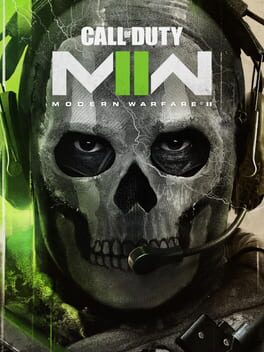
Simultaneously, a fast‑paced, team‑based shooter entered the market, promising a fresh take on arena combat through innovative weapon customization and a dynamic weather system that alters map layouts in real time. Developers highlighted the game’s integration with Xbox’s DirectX 12 Ultimate pipeline, leveraging ray‑traced reflections and variable‑rate shading to deliver a visual fidelity previously reserved for PC‑only titles. The announcement was accompanied by a statement from the studio’s creative director, emphasizing a community‑first roadmap that includes seasonal content drops, cross‑play support, and a robust esports pipeline—an explicit nod to the competitive ecosystems cultivated by titles like "Halo Infinite" and "Call of Duty: Modern Warfare II".
Analysis
From a market perspective, the dual launch strategy serves multiple purposes. First, it diversifies Xbox’s portfolio at a time when the console market is fragmenting across next‑gen hardware, cloud streaming, and subscription models. By delivering a premium single‑player experience alongside a live‑service multiplayer offering, Microsoft hedges against the volatility that has plagued purely single‑player releases in the post‑pandemic era, where development cycles have lengthened and consumer attention spans have shortened. Second, the deep‑discount sale—featuring up to 70% off select titles—acts as a catalyst for accelerating Game Pass enrollment, a metric that analysts have identified as the primary driver of Microsoft’s projected $5 billion ARR growth in the fiscal year 2025.
Technically, both games showcase the maturation of Microsoft’s proprietary tooling. The fantasy title’s seamless streaming owes its stability to the Azure PlayFab backend, which now supports real‑time analytics for player behavior—a capability that can be monetized through targeted DLC and micro‑transaction bundles without compromising immersion. Meanwhile, the shooter’s dynamic weather engine demonstrates the practical application of the Xbox Velocity Architecture, a suite of hardware‑software optimizations introduced with the Series X that promises lower latency and faster load times. These advancements not only raise the bar for future Xbox exclusives but also pressure Sony and Nintendo to accelerate their own hardware refresh cycles, potentially igniting a new generation of console competition reminiscent of the early 2000s rivalry.
XPLog Opinion
At XPLog UK we view this weekend as a decisive inflection point for Microsoft’s long‑term console strategy; the convergence of high‑quality launches, aggressive pricing, and service‑centric design signals a confidence that the Xbox ecosystem can now sustain both critical acclaim and mass‑market appeal without sacrificing either. The real triumph lies not merely in the games themselves but in how they are leveraged to deepen the Game Pass value proposition, turning casual weekend play into a gateway for sustained engagement—a model that could redefine how publishers think about launch windows and post‑launch monetisation for years to come.
Final Thoughts
In sum, the September 5‑6 weekend has offered more than a simple roster of titles; it has delivered a blueprint for how a console manufacturer can intertwine blockbuster releases with strategic discounting and service integration to fortify its market position. As we look ahead, the upcoming Xbox Summer Showcase in October and the anticipated Q4 hardware refresh rumors will be critical lenses through which to assess whether this approach translates into lasting brand loyalty and revenue stability. Players and analysts alike should keep a close eye on Game Pass subscriber trends, the performance of the new titles in live‑service metrics, and how competitors respond—because the next wave of console warfare is already being scripted.